

Best Camera for Beginners (2026)
Safe, easy picks with fast AF, simple menus, solid battery, and lenses you can grow with.
Honest camera reviews and buying guides for beginners, travelers and creators.
View Buying Guides →
Answer 3 quick questions to get a personalized recommendation based on your needs.
Select the most important one.
Start with the picks that fit your budget and how you shoot.
Safe, easy picks with fast AF, simple menus, solid battery, and lenses you can grow with.
Carry-light kits that still deliver stabilized 4K and sharp travel photos.
Fast AF, flip screens, gyro data or IBIS, and clean audio options.
Value picks with reliable AF, decent battery, and affordable lens paths.
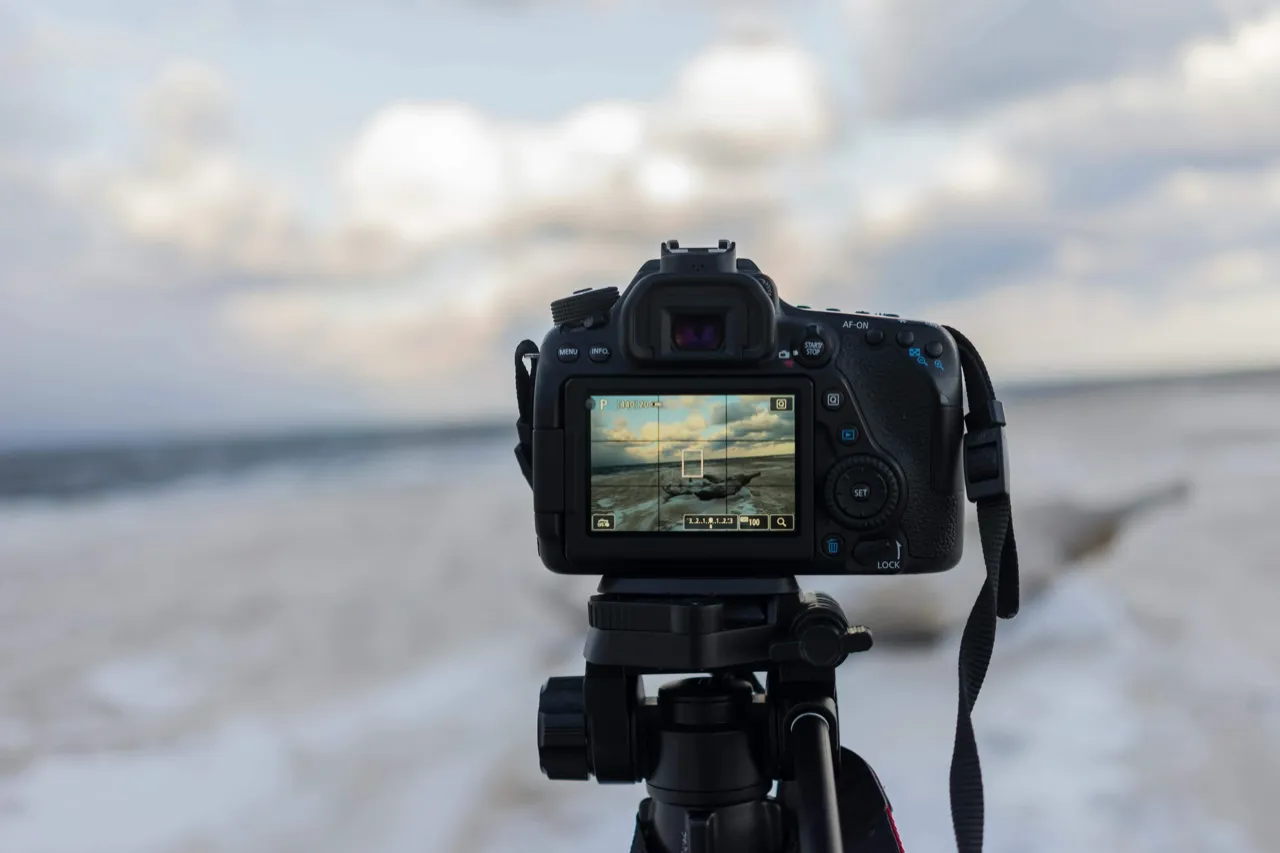
Balanced photo-video bodies with 10-bit, dependable AF, and strong ecosystems.
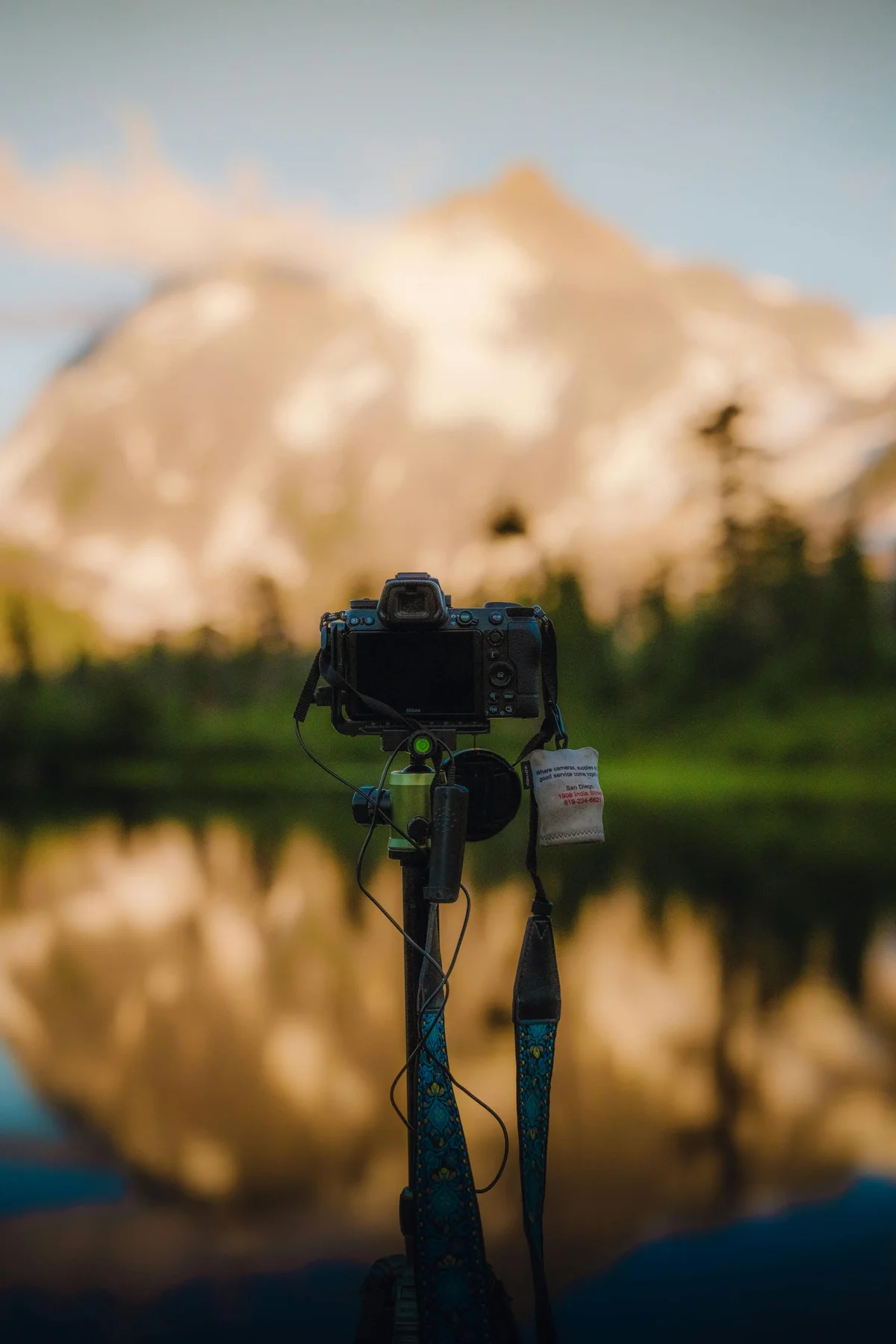
Full-frame hybrids with strong codecs, low rolling shutter, and good IBIS.
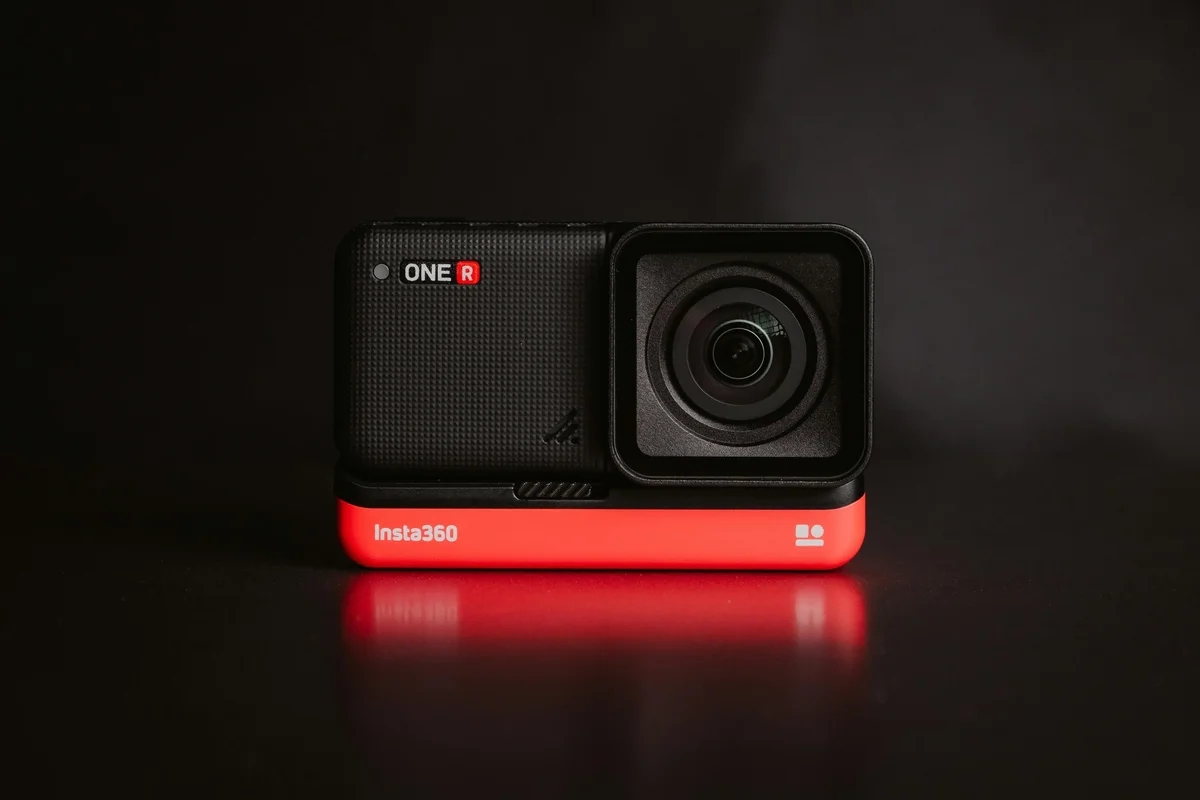
Rugged cams with horizon lock, invisible sticks, and easy reframing.
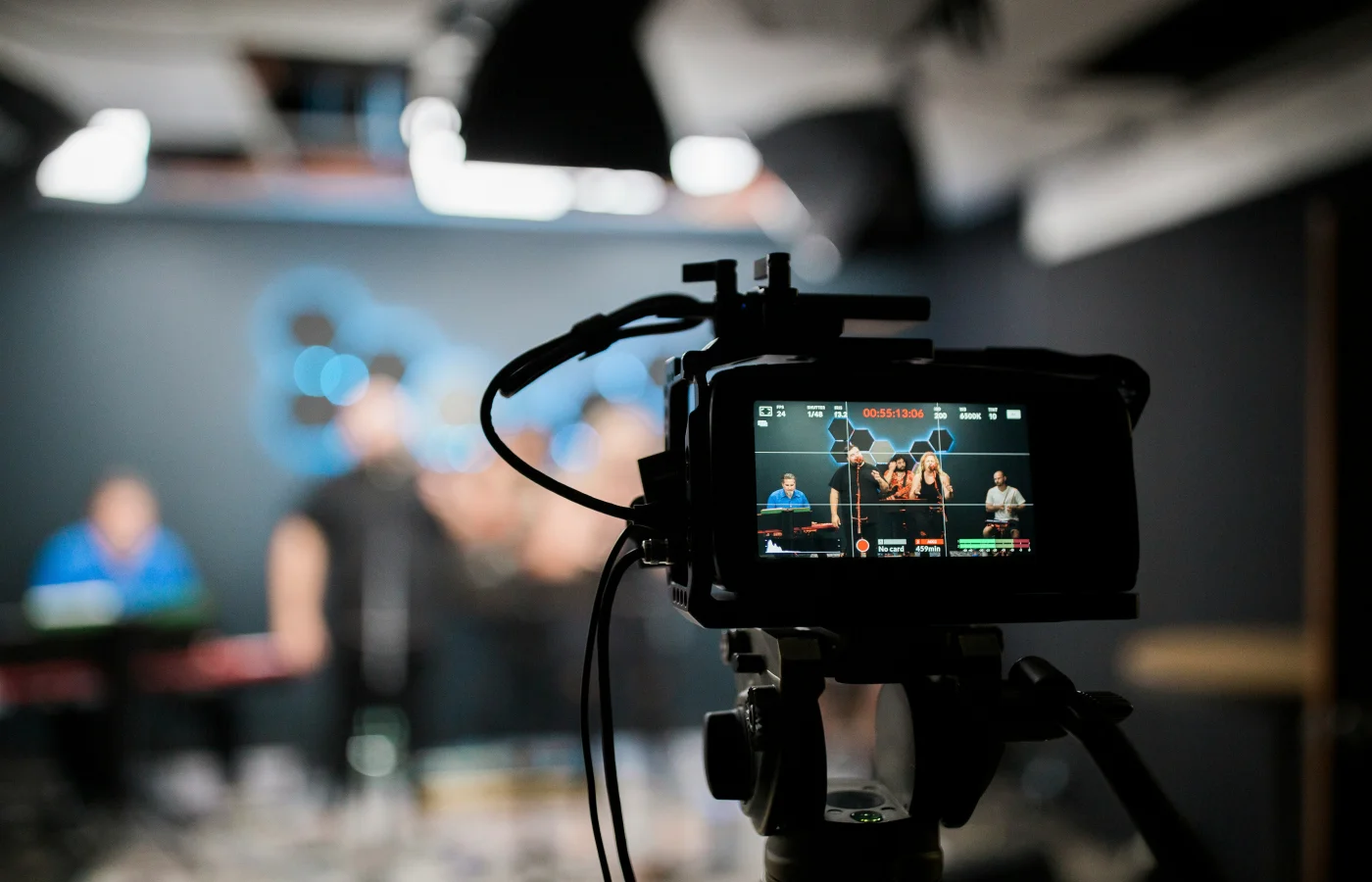
Top picks by budget for solo creators: autofocus, flip screens, good audio.
Hands-on impressions, pros/cons, and clear "who should buy" guidance.
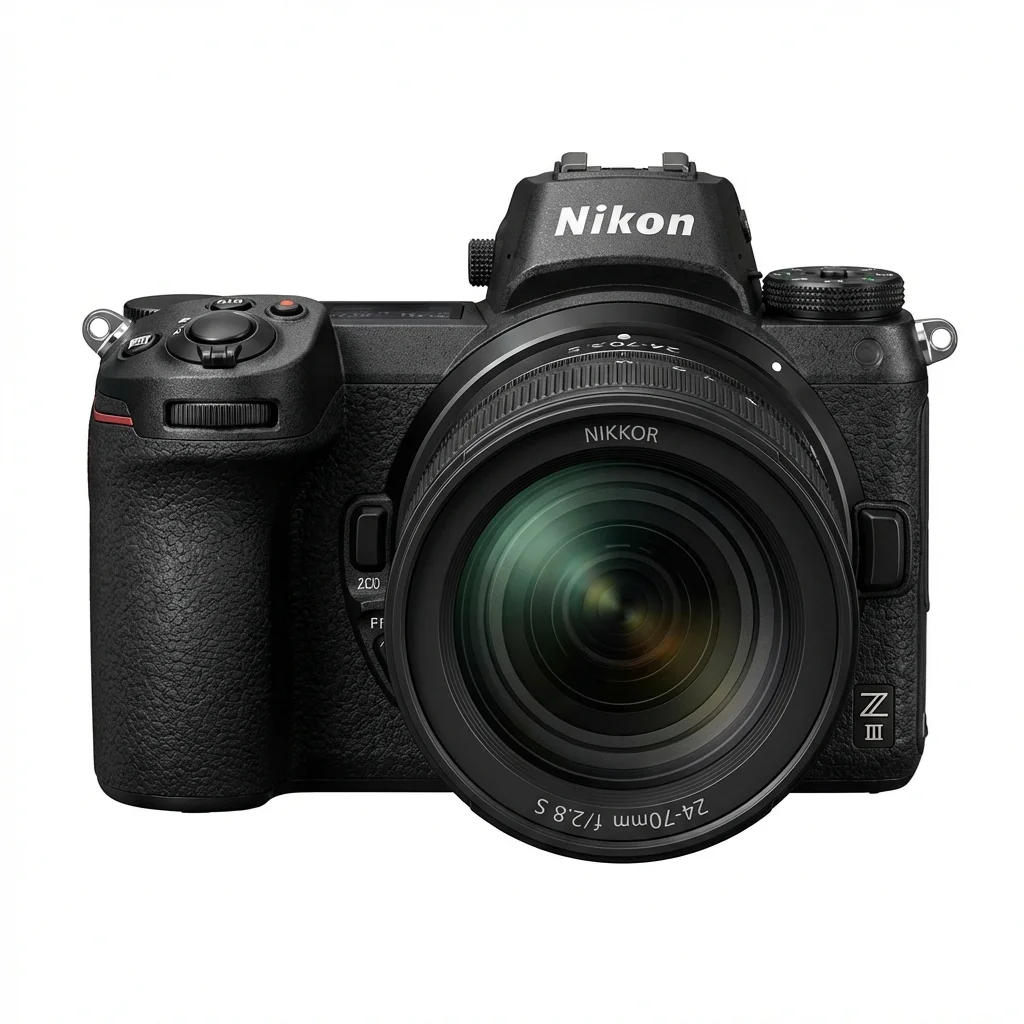
Versatile full-frame hybrid with 24MP partially stacked sensor, 6K video, and Nikon's best autofocus yet. Exceptional IBIS and video features.
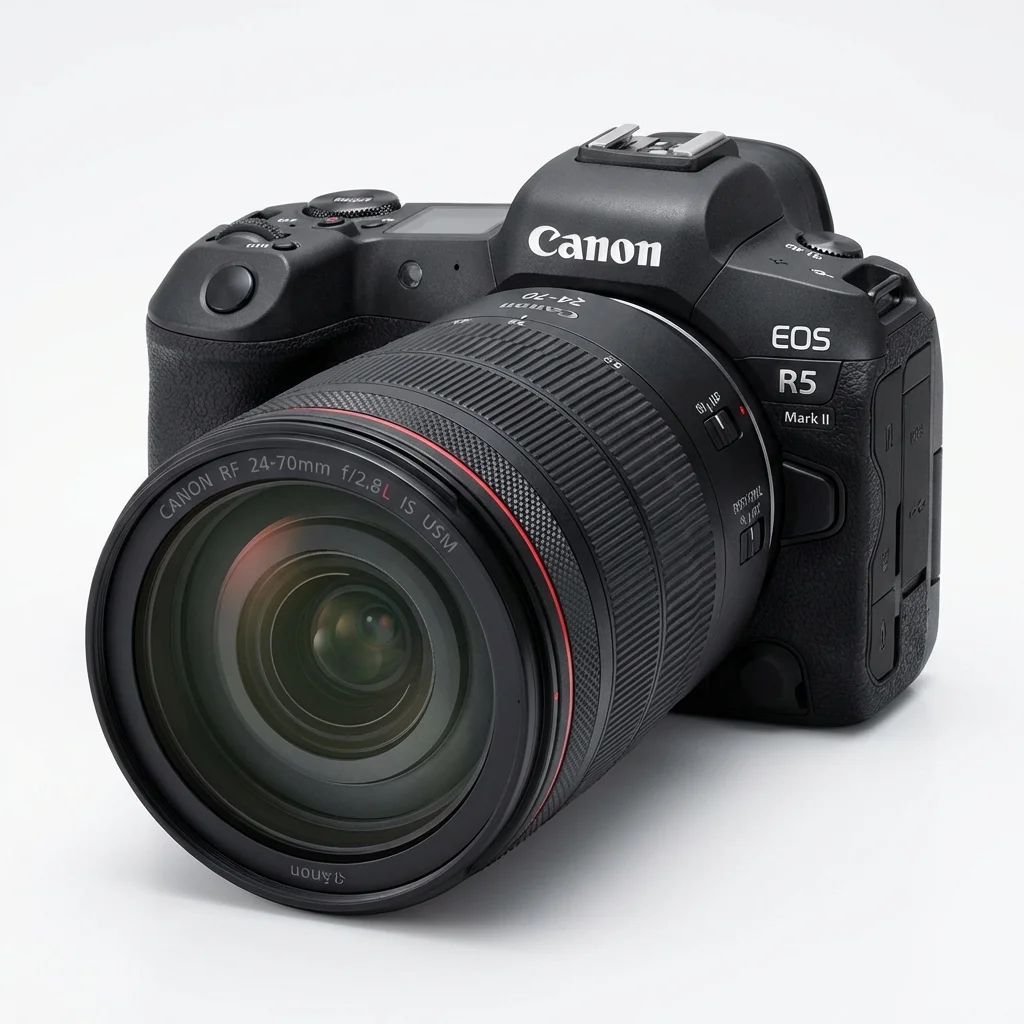
Professional flagship with 45MP sensor, 8K 60p RAW, and revolutionary Eye Control AF. Canon's most capable hybrid camera to date.
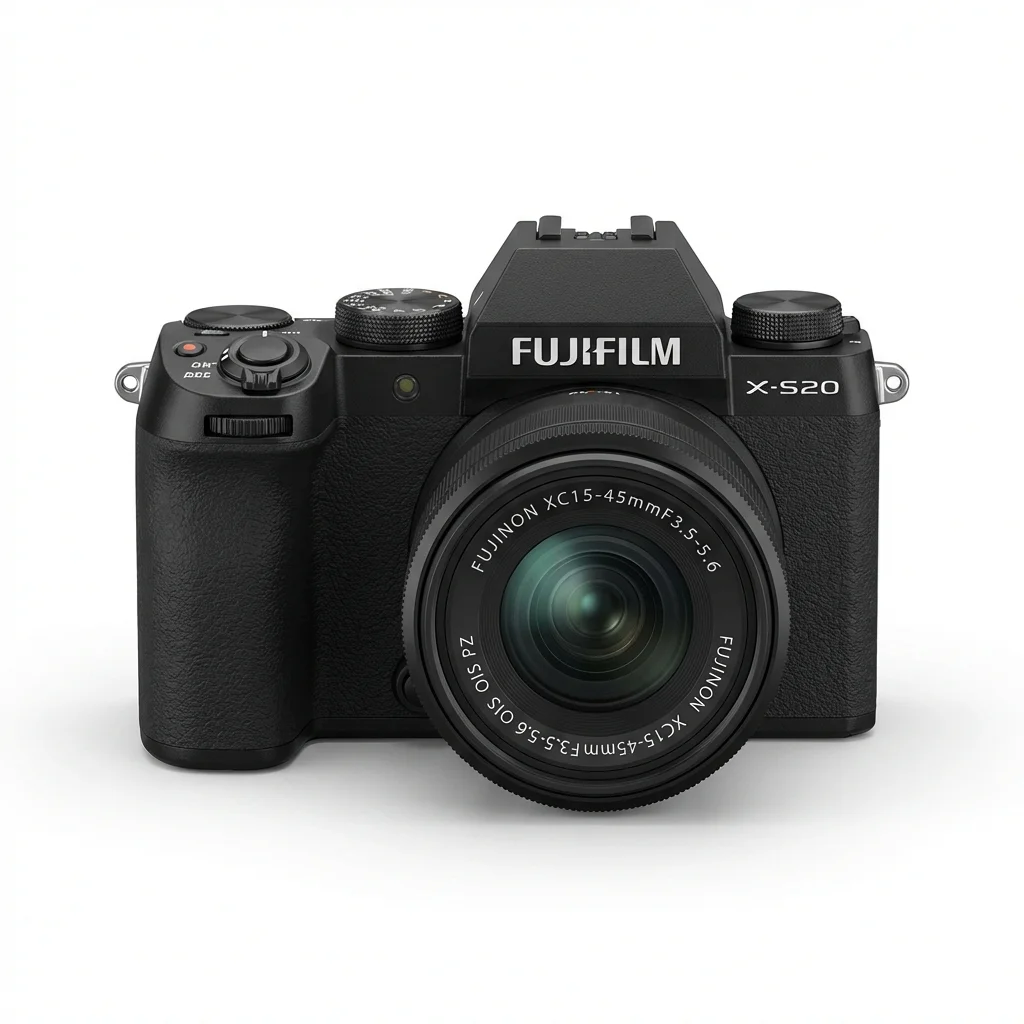
Best APS-C hybrid value with 26MP X-Trans sensor, 6.2K video, IBIS, and legendary Film Simulations. Perfect for content creators.
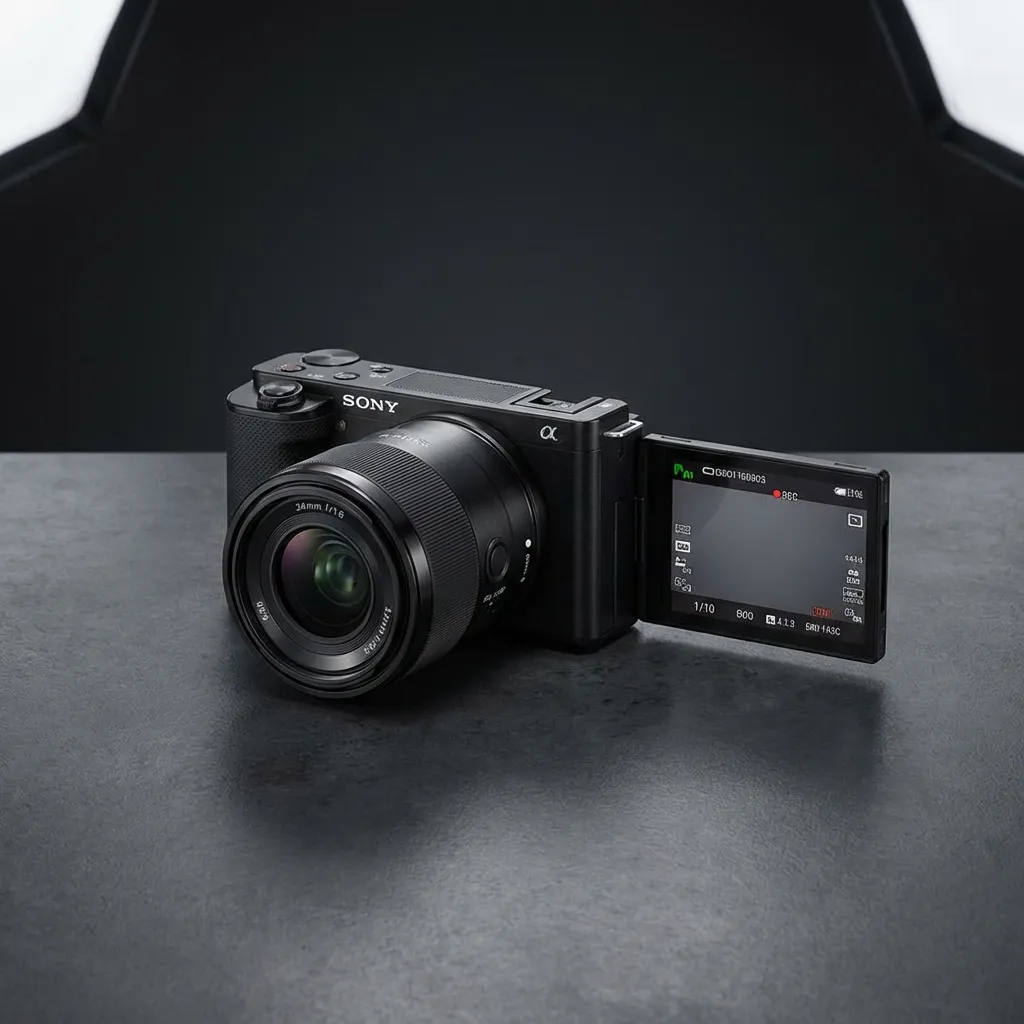
Best beginner camera with A6700-level AF, 4K60, and NP-FZ100 battery. Perfect for creators who want to grow.
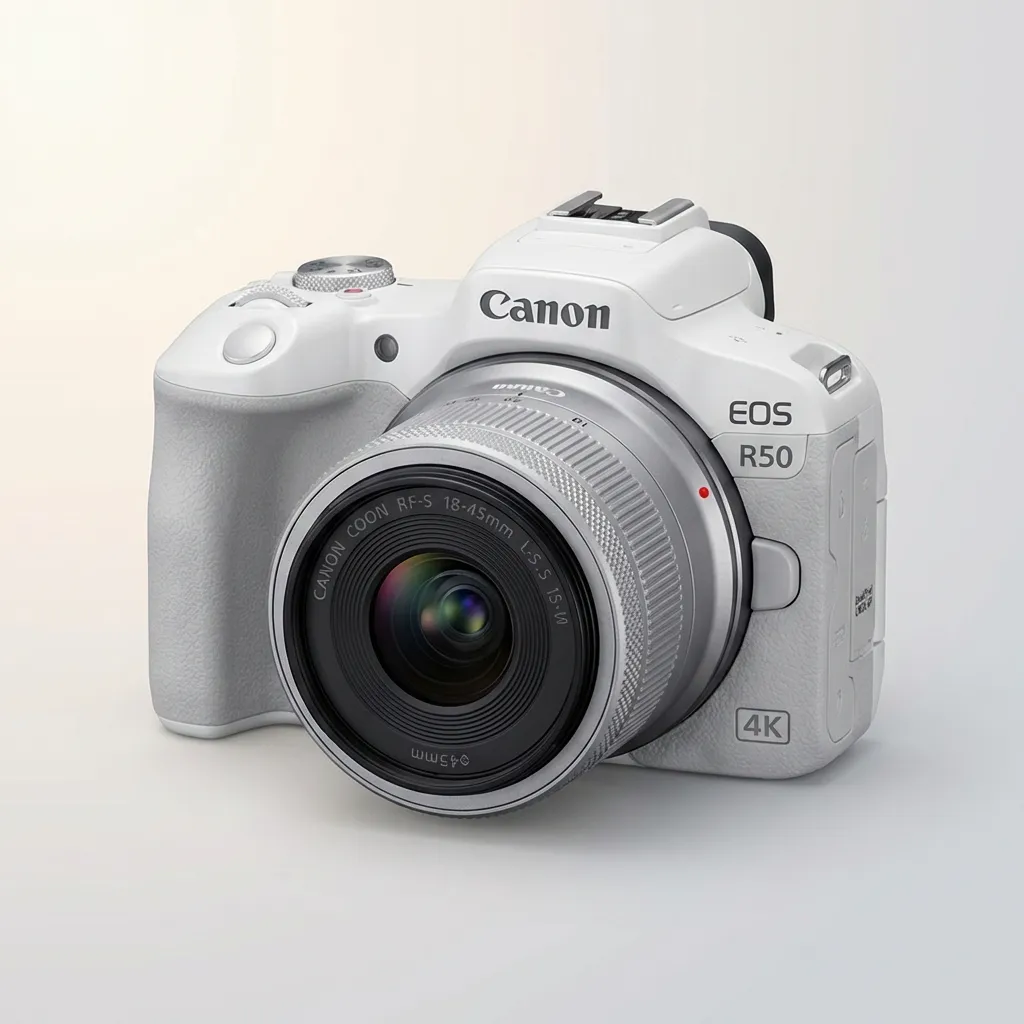
Easiest-to-use mirrorless with Creative Assist, EVF, and Canon's beautiful color science. Perfect for beginners.
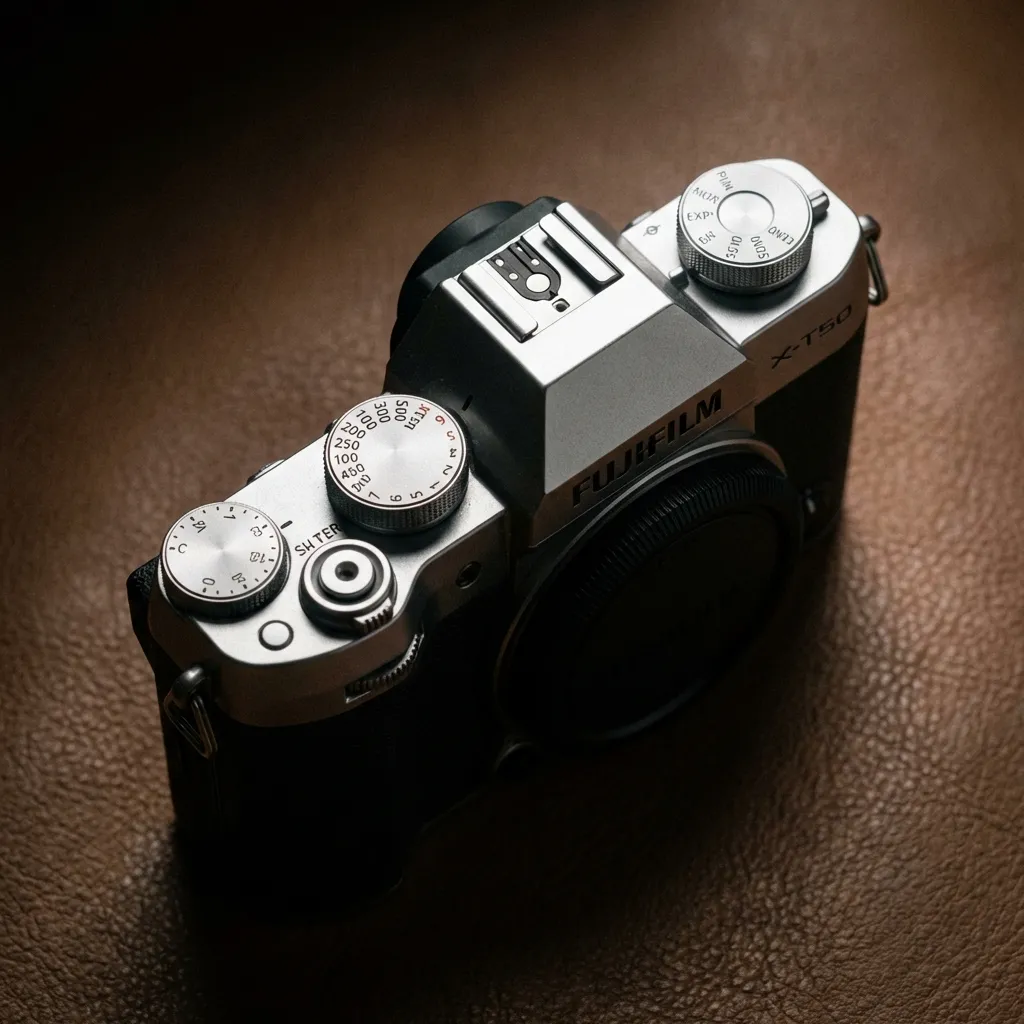
40MP sensor with Film Simulation dial for instant looks. The camera that makes photography feel artistic again.
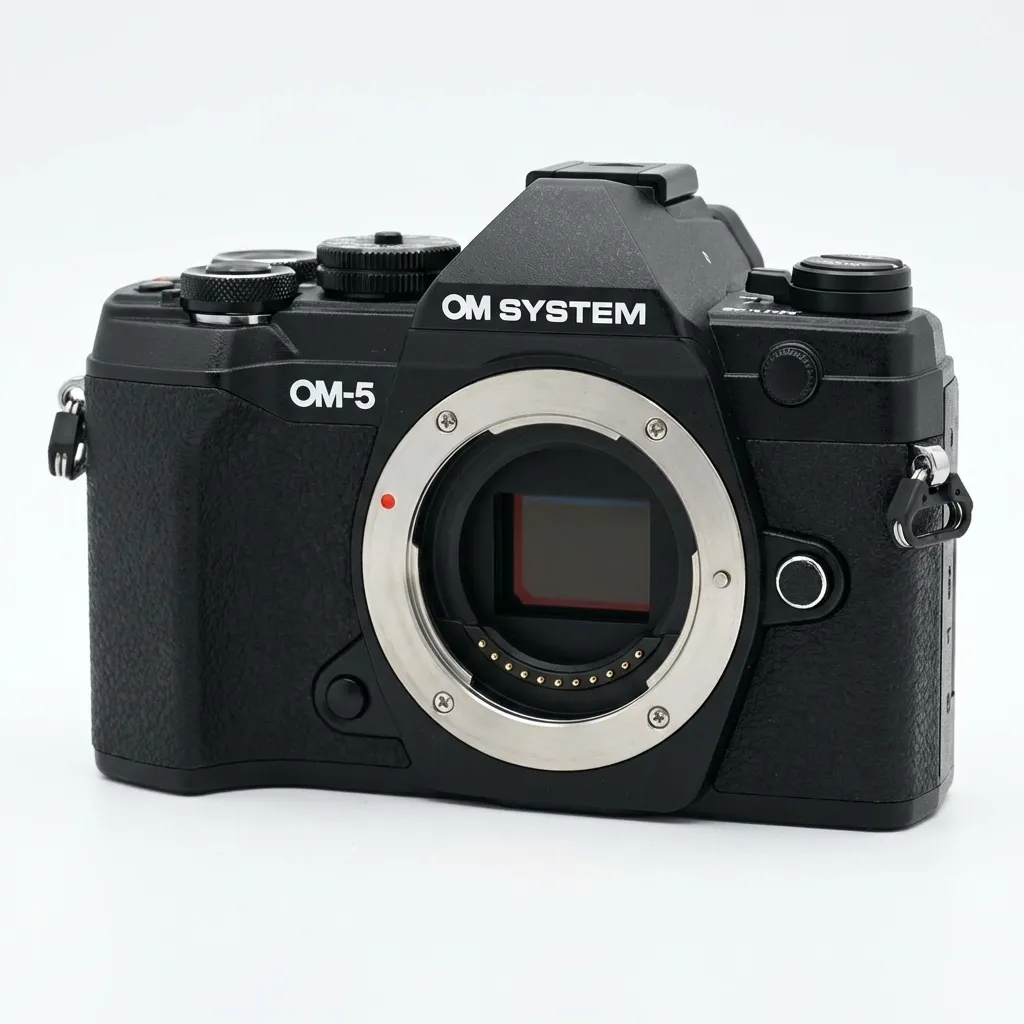
Compact pro MFT with 120fps burst, IP53 weather sealing, and computational photography. Ultimate adventure camera for portability.
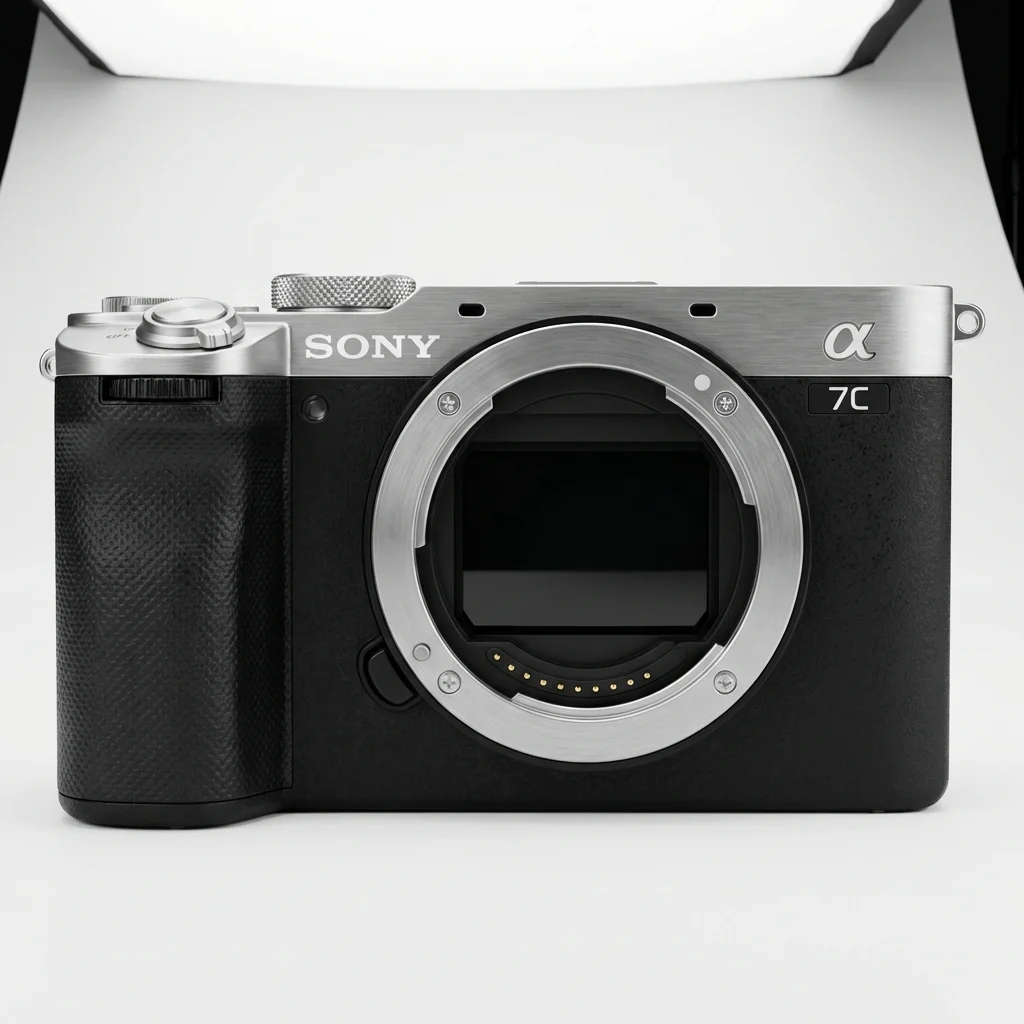
Ultra-compact full-frame with AI autofocus. Perfect for travel; same sensor as A7 IV in smaller body. Single card slot but excellent portability.
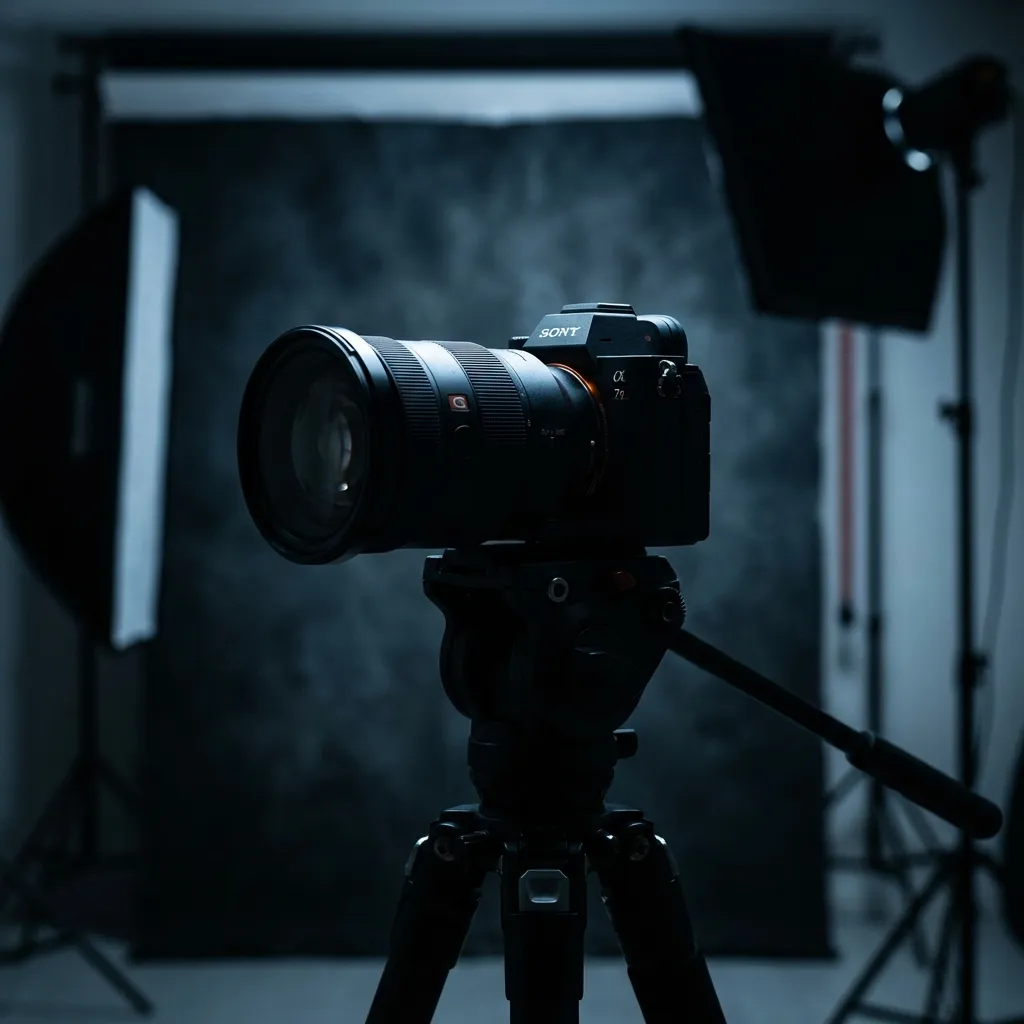
Hybrid favorite with strong AF and color; menus need learning. 10-bit, solid thermals, great lens options; rolling shutter still to mind.
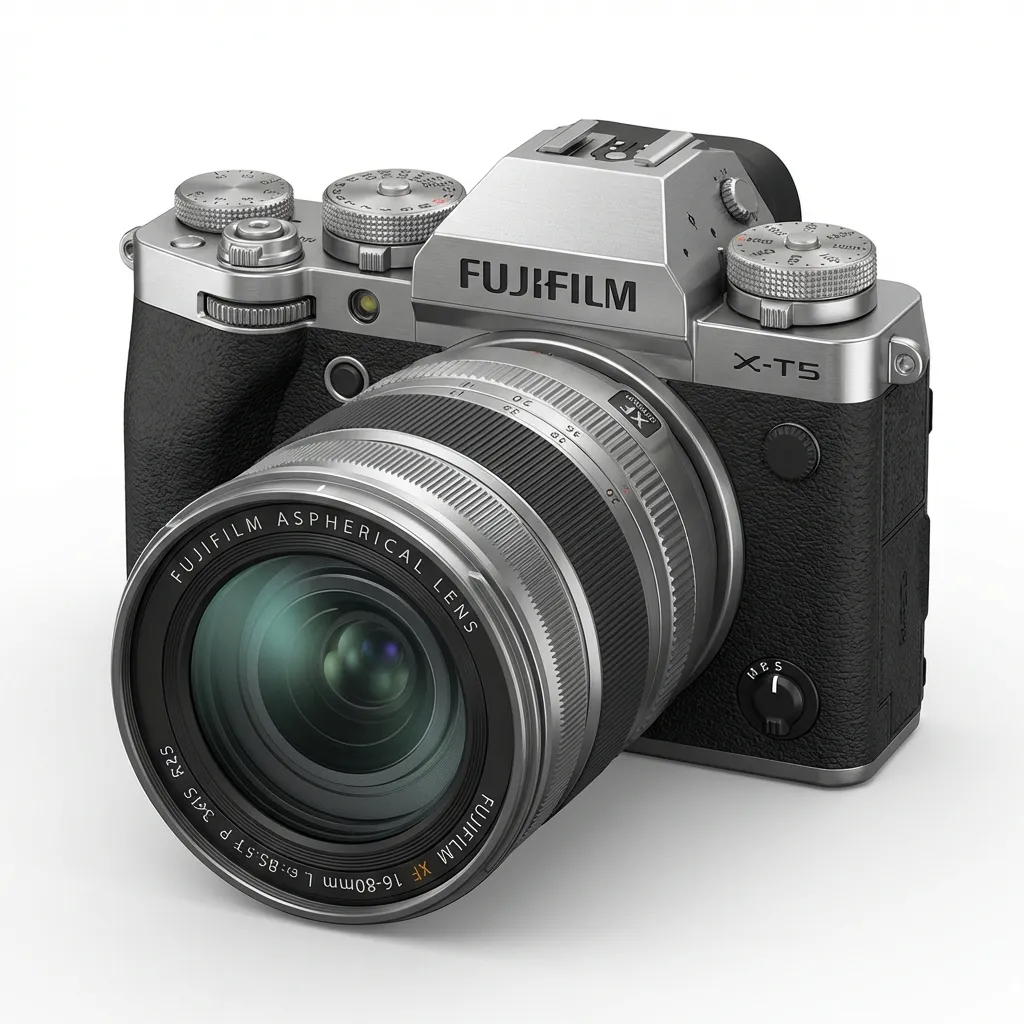
40MP detail, film sims, classic dials. Best for photo-first shooters; video good but rolling shutter in HQ needs care.
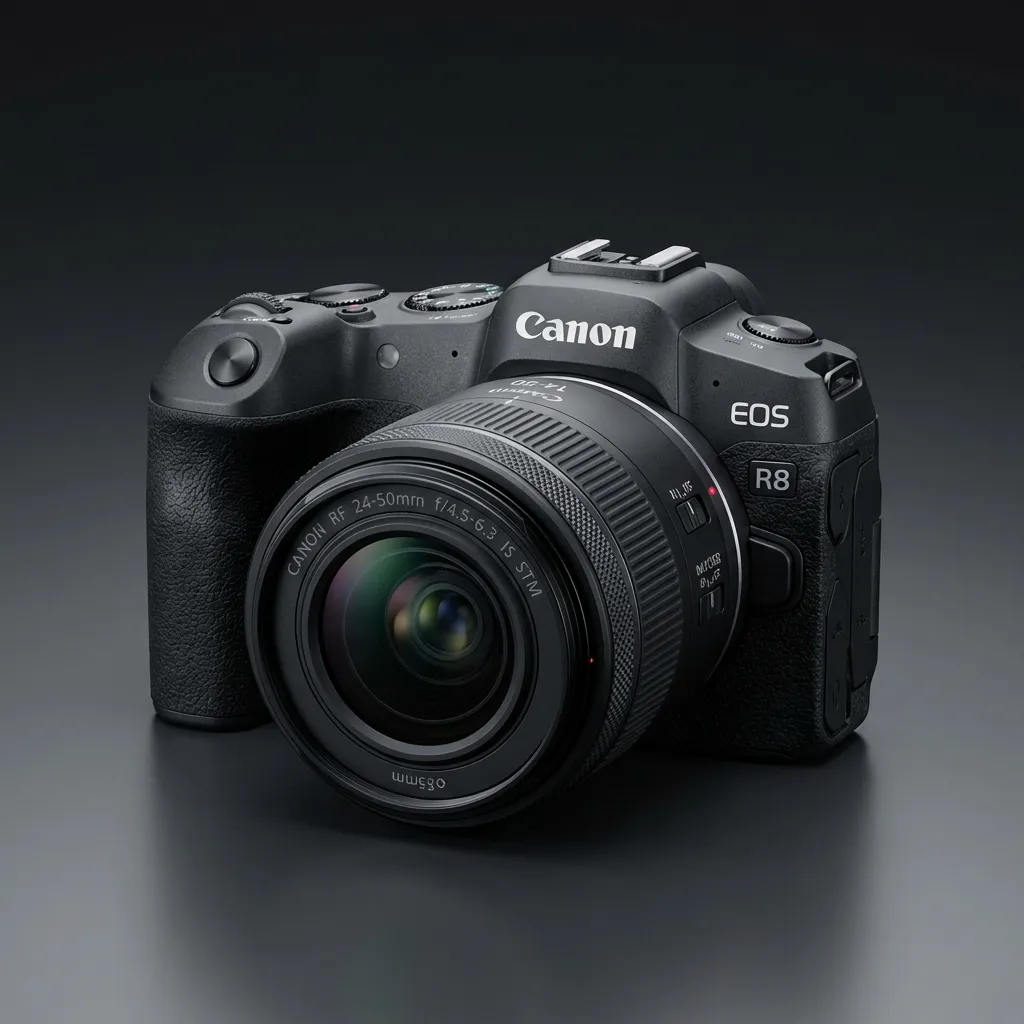
Lightweight full-frame with top AF and Canon color. Perfect FF starter; add batteries and avoid fast pans for rolling shutter.
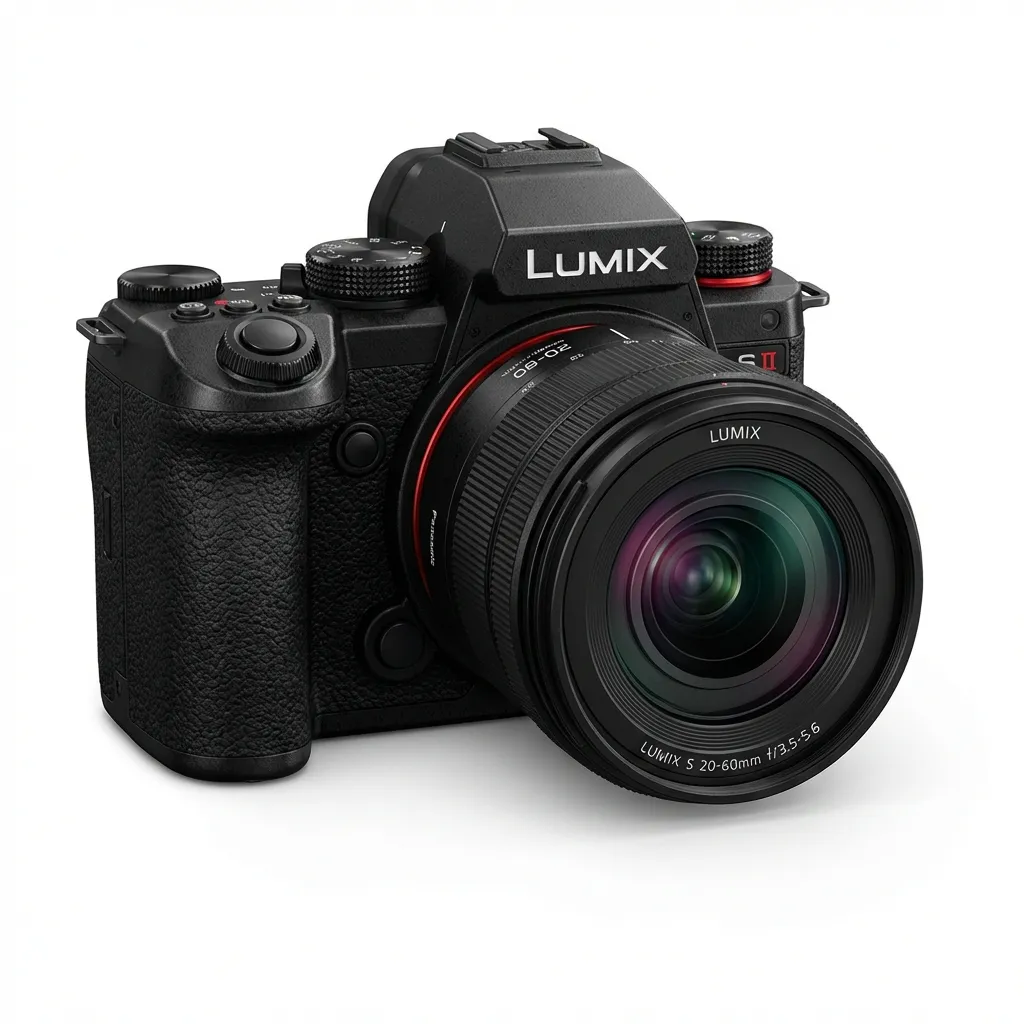
Finally, PDAF! Great 4K, color, and IBIS at a fair price. Video-first body with pro codecs; still not the fastest burst.
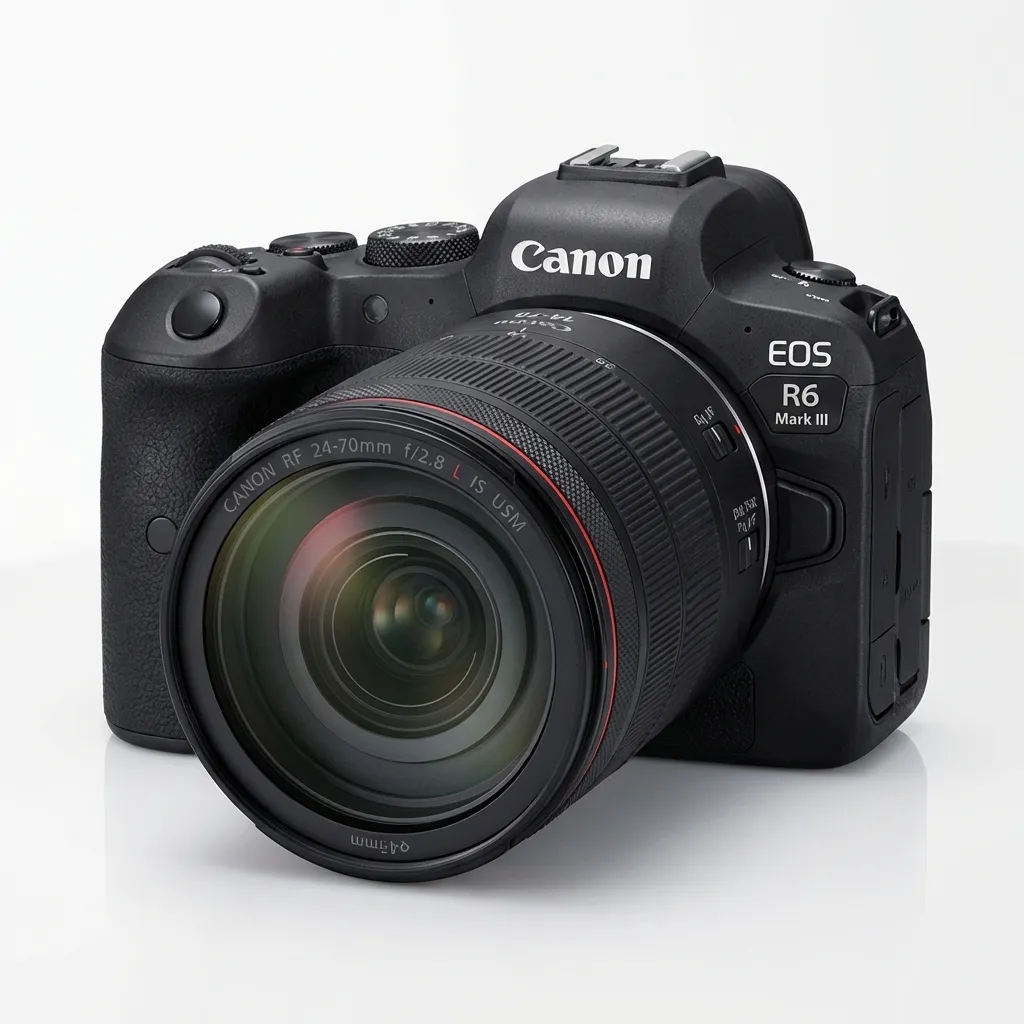
Ultimate hybrid with 24MP BSI sensor, 8K 60p internal, and upgraded IBIS. Canon's best all-rounder for photo and video creators.
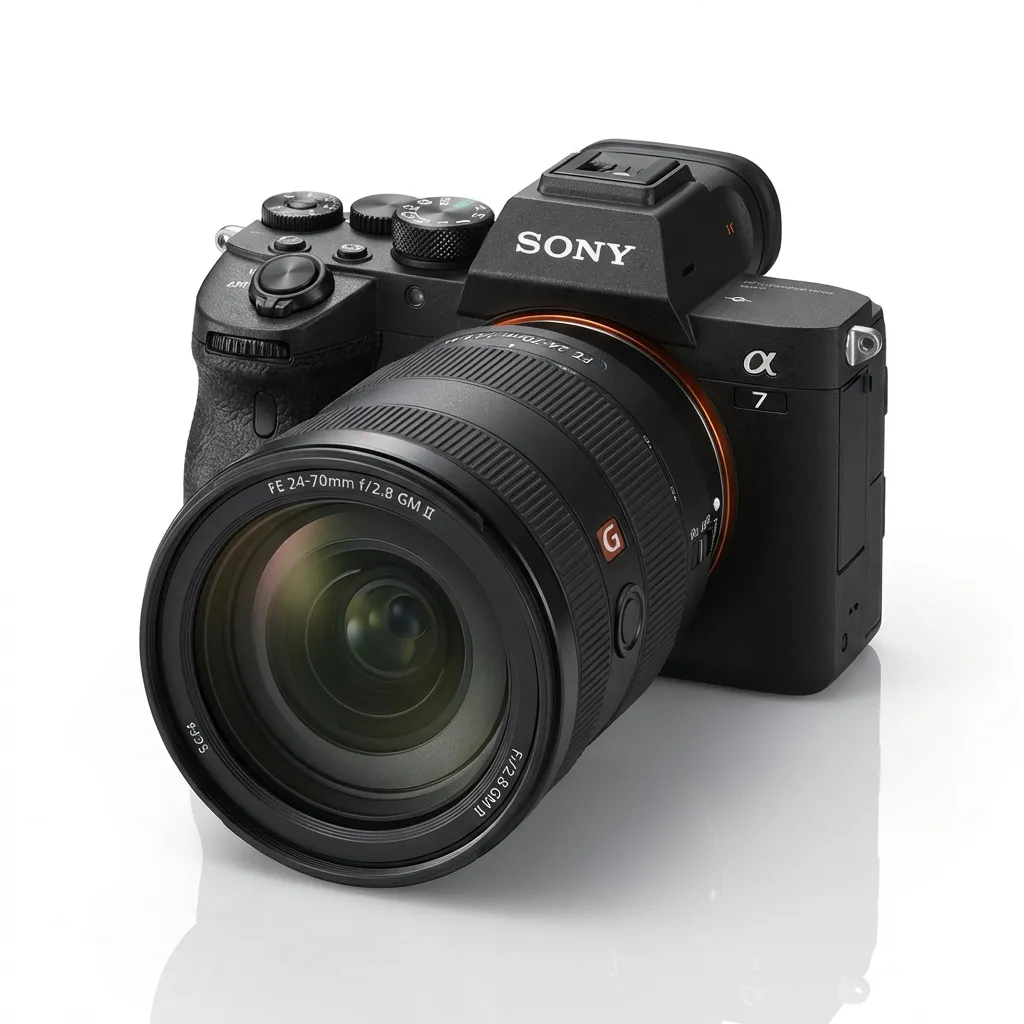
Next-gen AI autofocus with 33MP sensor, 4K 120p, and improved ergonomics. Sony's most intelligent full-frame camera yet.
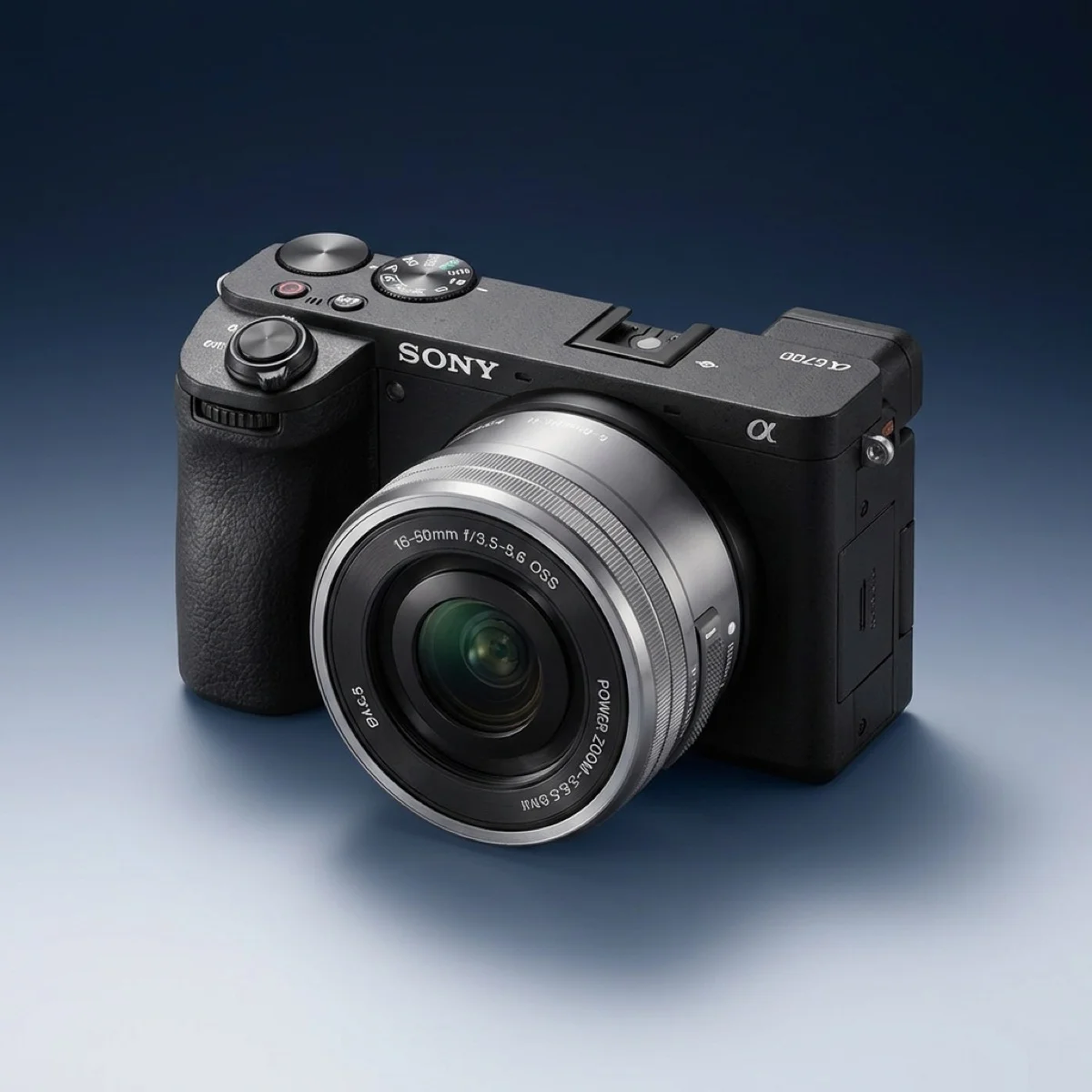
APS-C flagship with A7R V-level AI AF, 4K 120p, and improved ergonomics. Best crop-sensor hybrid for serious creators.
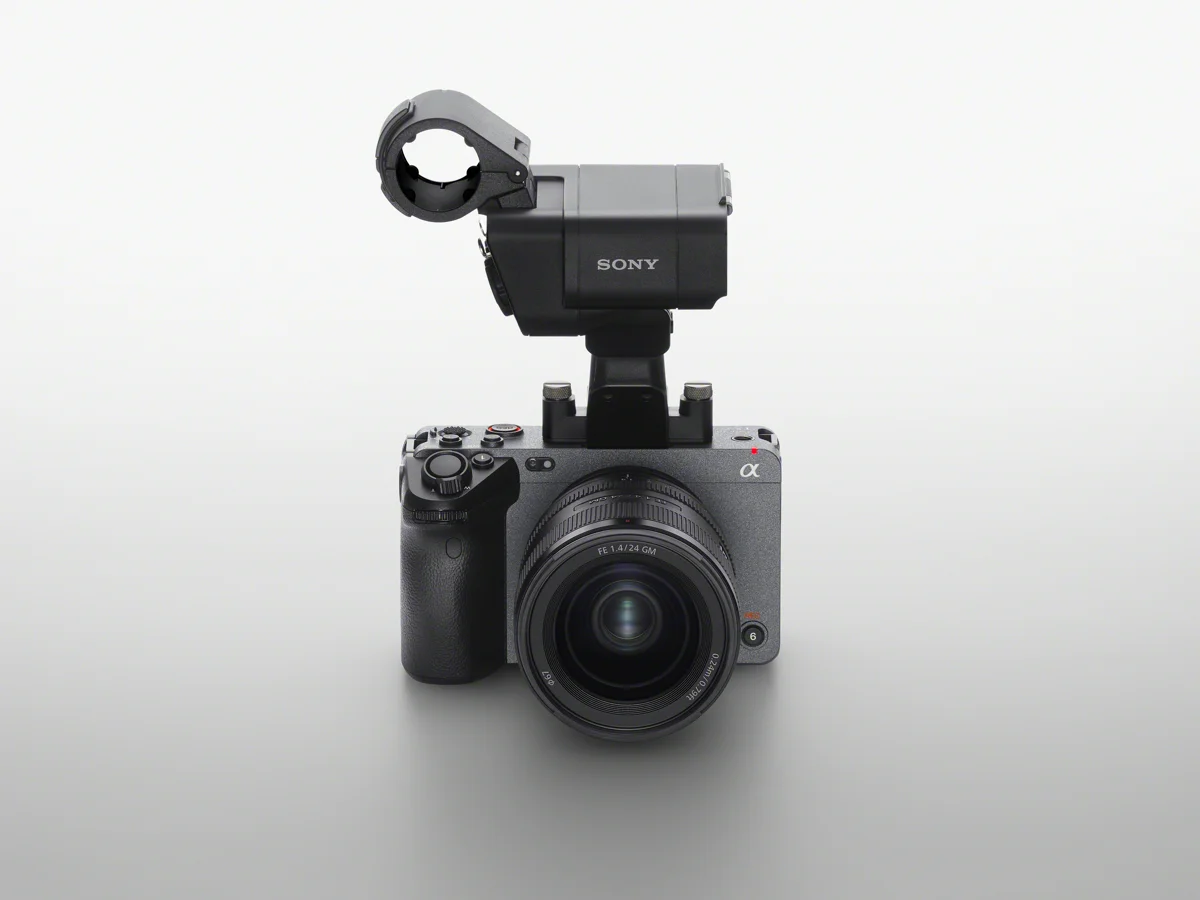
Cinema Line powerhouse with unlimited recording, S-Cinetone, and active cooling. Pro video in compact form.
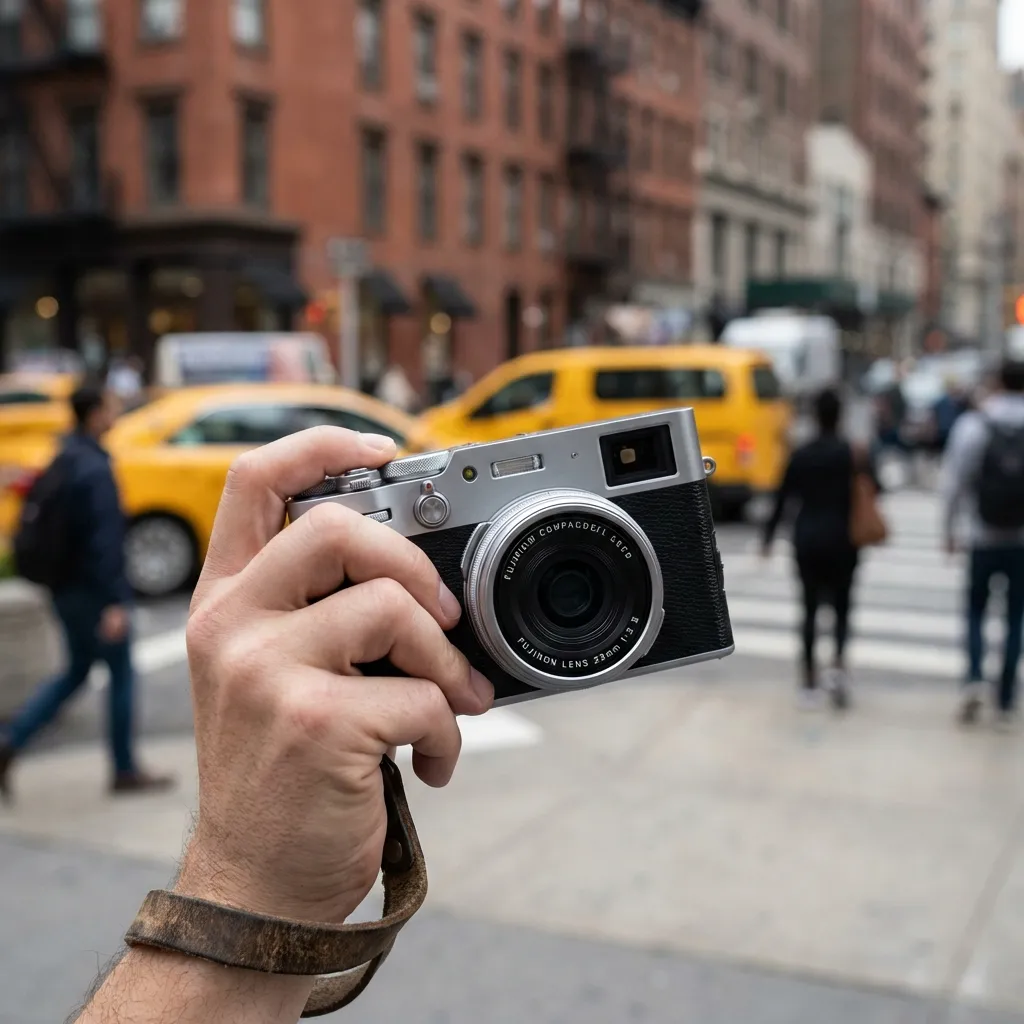
40MP sensor, 6-stop IBIS, and Film Simulations in a classic fixed-lens body. The ultimate street photography camera.
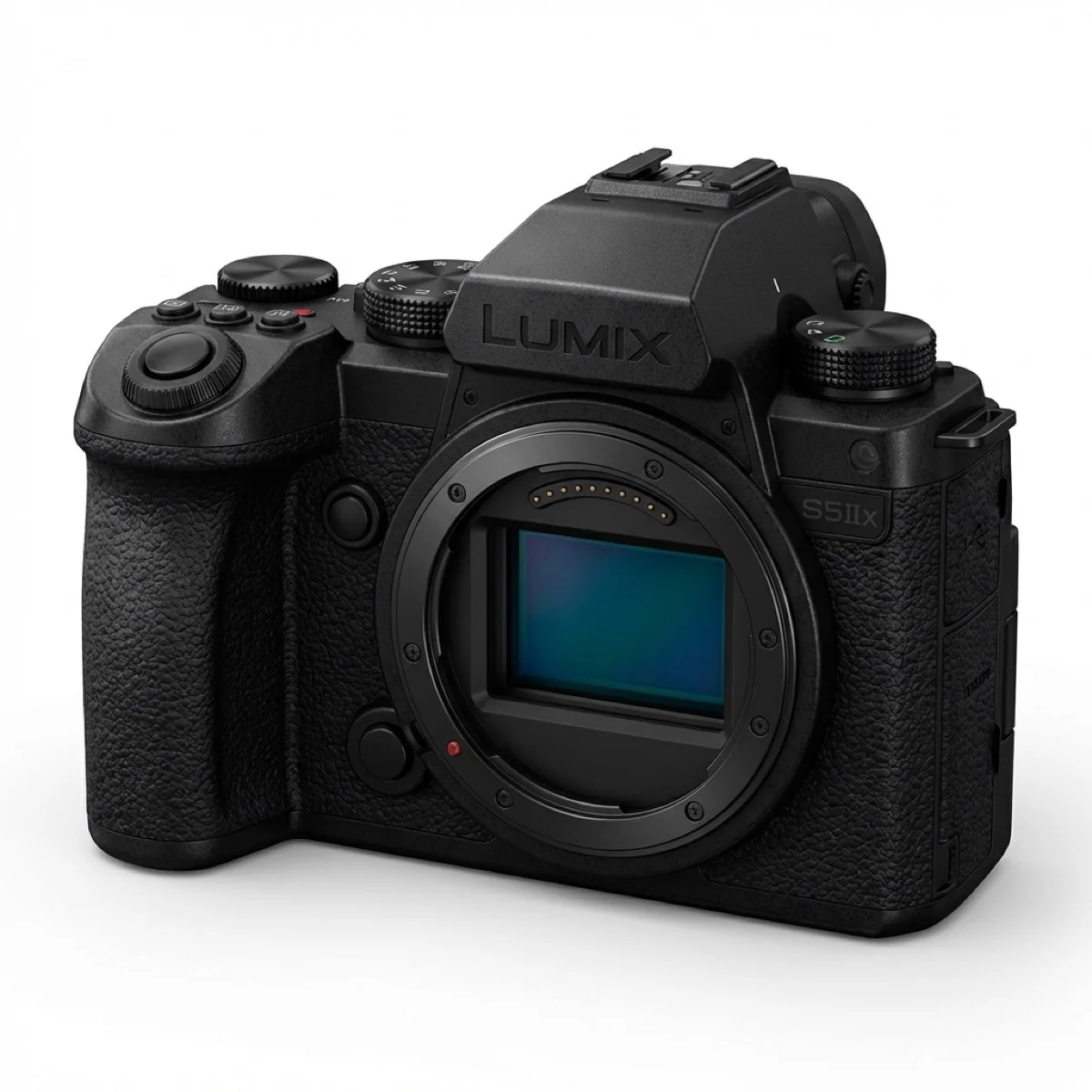
S5 II with internal ProRes and RAW output. For filmmakers who need pro codecs without external recorders.
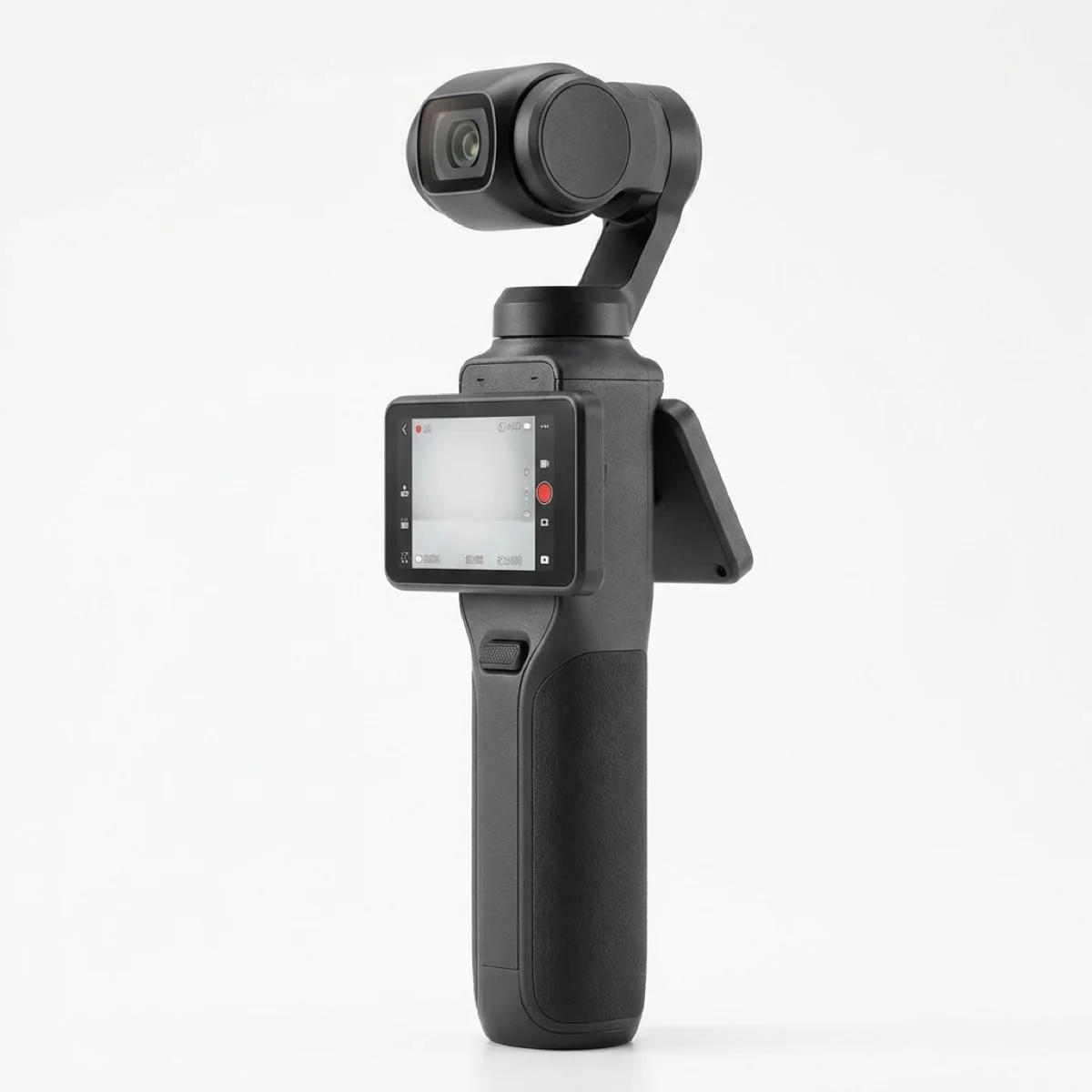
1-inch sensor, 4K 120p, and 3-axis gimbal in your pocket. The ultimate vlog companion for creators on the move.
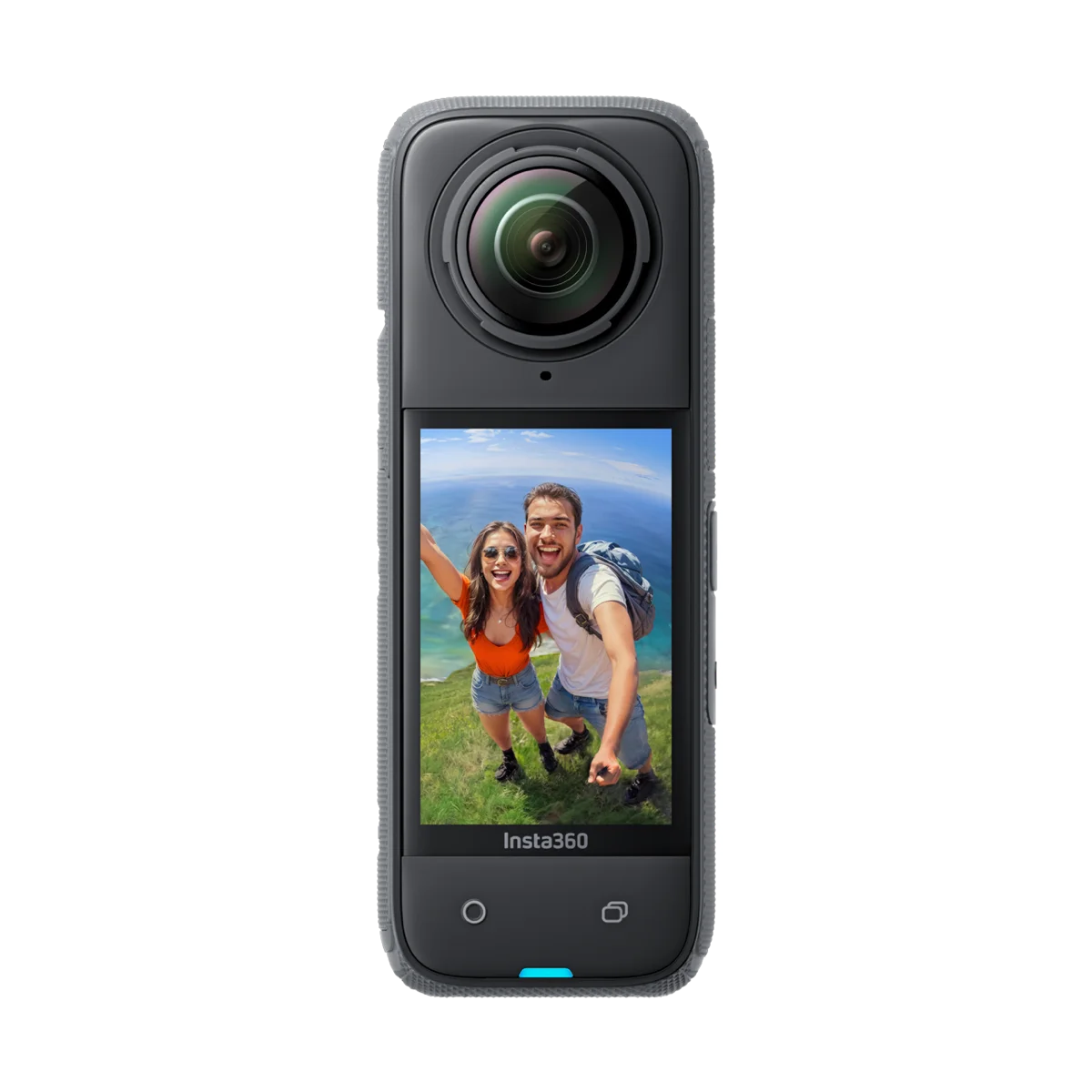
8K 360° video, invisible selfie stick effect, and intuitive reframing. Best 360 camera for content creators.
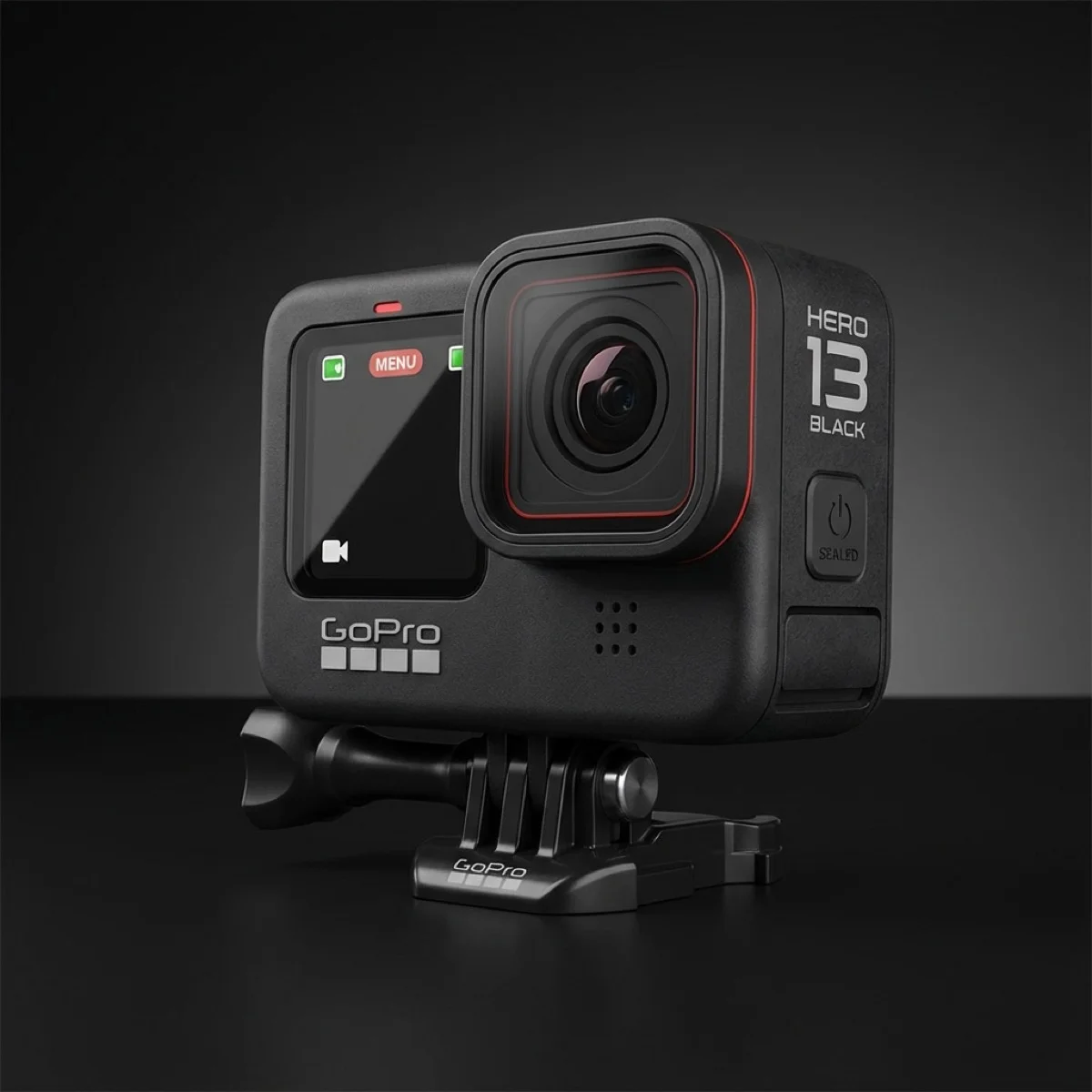
5.3K 60p, HLG HDR, and modular lens system. The action camera that keeps getting better.
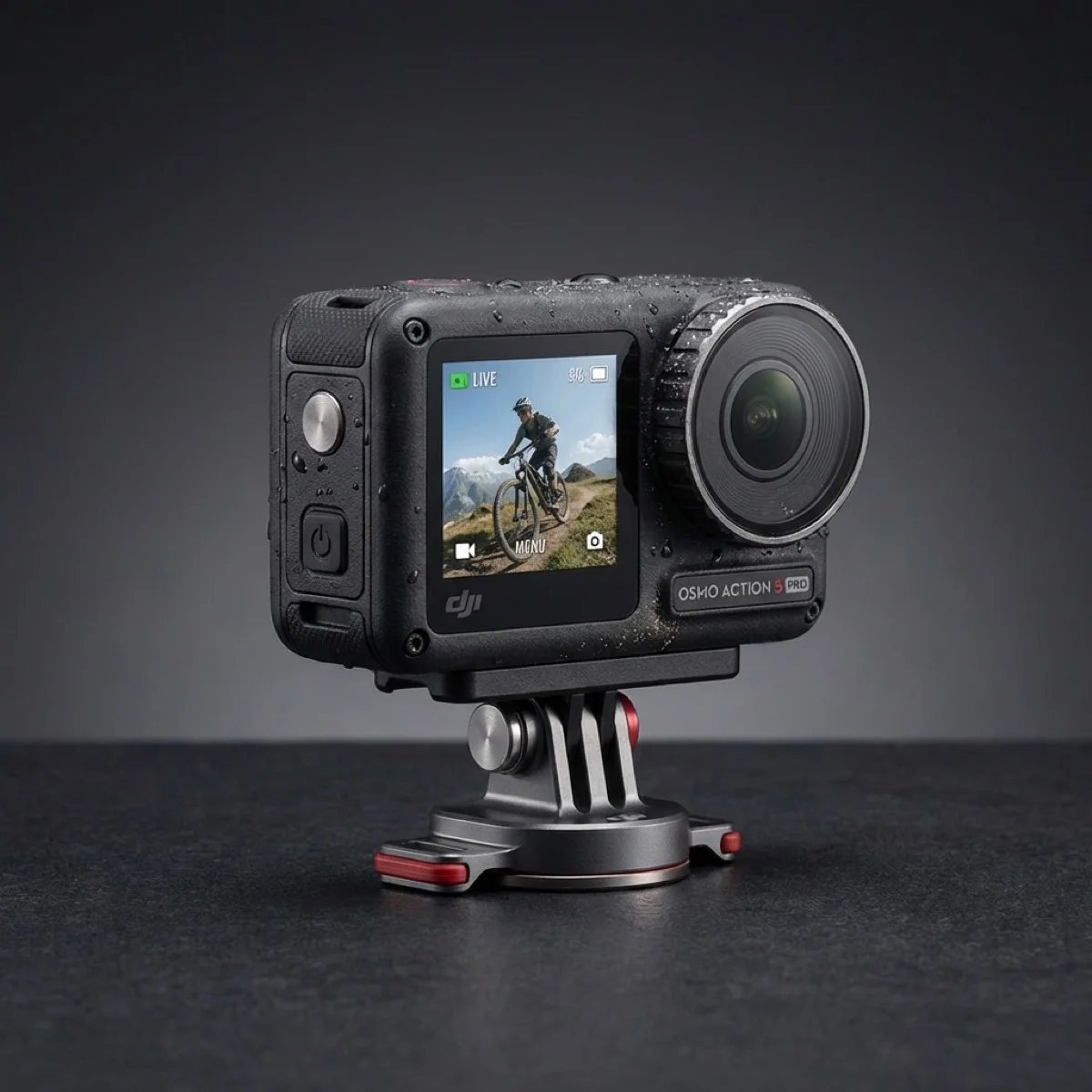
1/1.3" sensor, 4K 120p, and incredible low-light. DJI's best action camera with pro features.
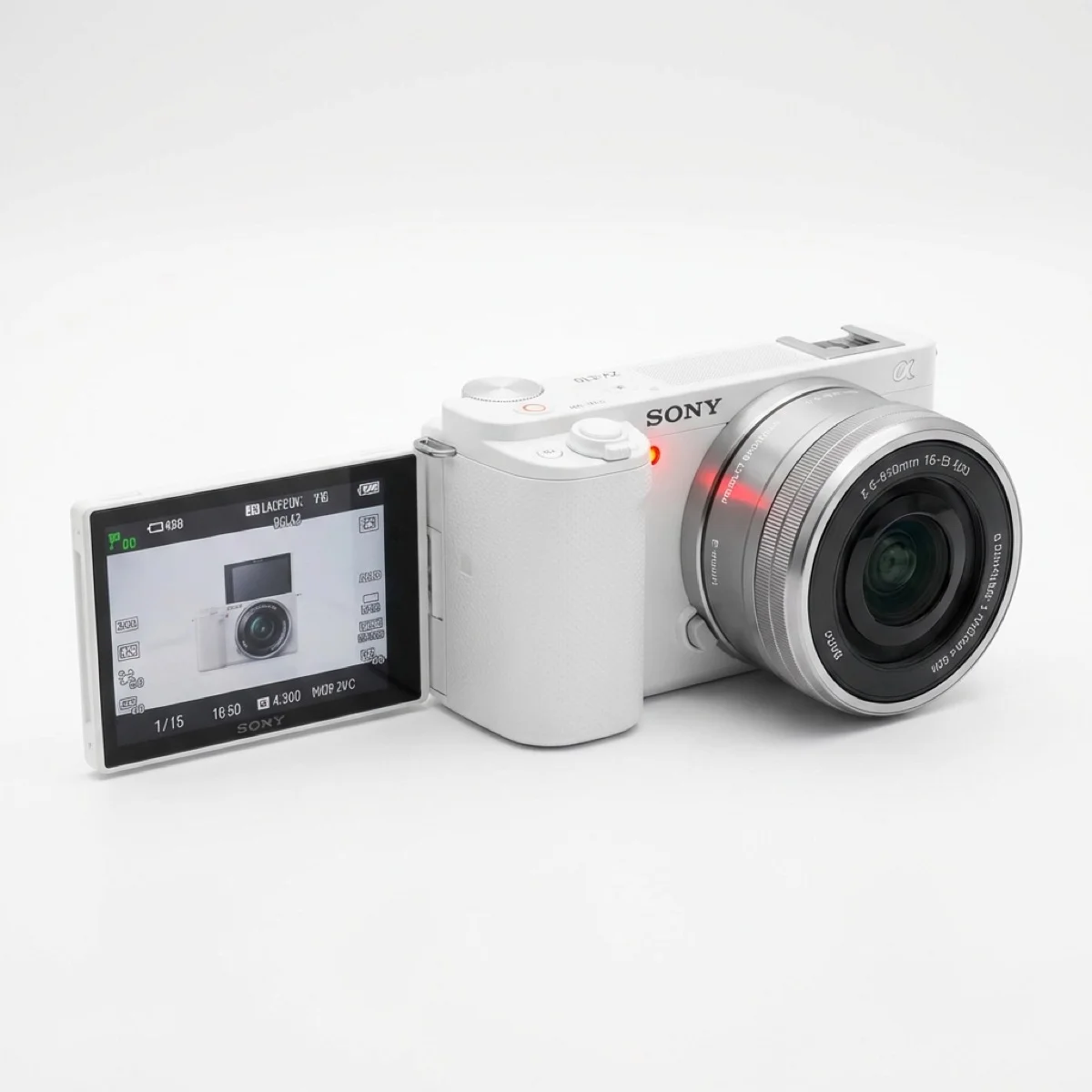
Popular creator camera with flip screen and quick menus. Great value but smaller battery; upgrade exists.
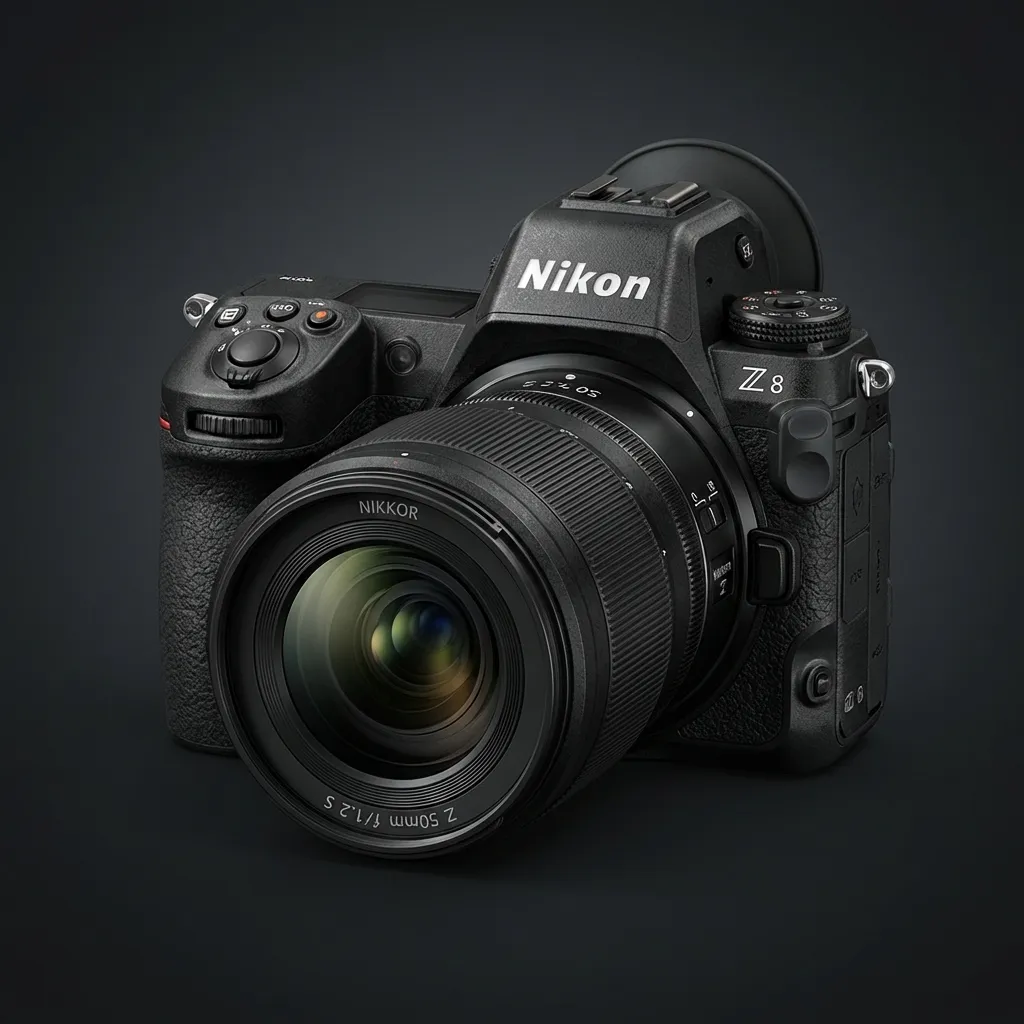
Z9 power in a smaller body. 8K 60p N-RAW, 20fps stacked sensor, and incredible dynamic range.
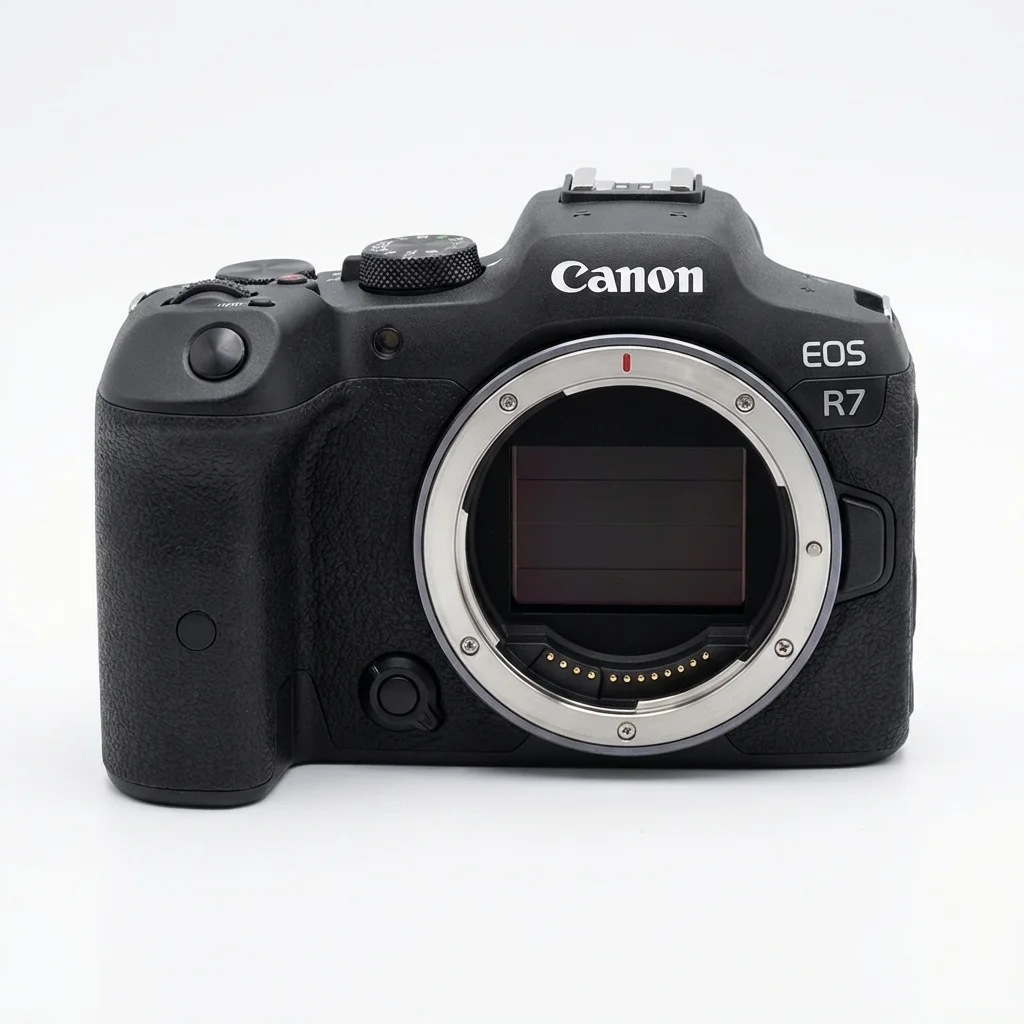
Canon's flagship APS-C with 32.5MP and 15fps mechanical burst. The ultimate choice for wildlife and sports.

Best value APS-C under $1,000. EXPEED 7 processor, improved AF, and dedicating vlogging features.
Limited-time price drops on gear we recommend.

$300 instant rebate on the best-selling full-frame hybrid. Ends March 1.

Retro full-frame at its lowest price ever. $300 off the silver edition.
Sony A7C II, Panasonic S5 II, and more
Cameras, lenses, and gear on sale now.
Side-by-side breakdowns for the most common shopping choices.
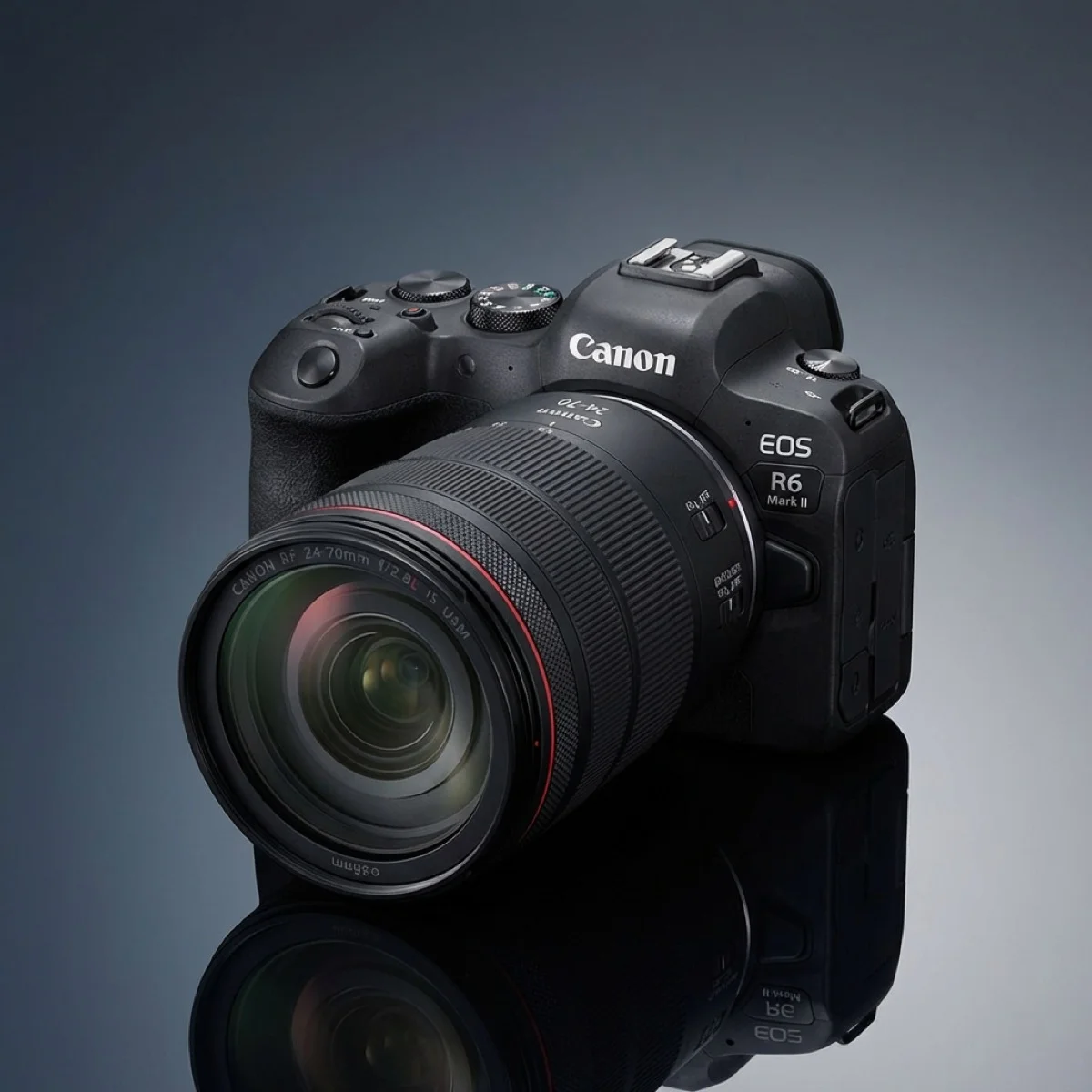
$2,498 vs $2,499
Hybrid $2,999 vs $2,699
Flagship $998 vs $1,398
Upgrade Path $1,299 vs $1,699
APS-C $1,499 vs $2,198
Entry FF $679 vs $998
BeginnerFind the perfect glass for your camera system.
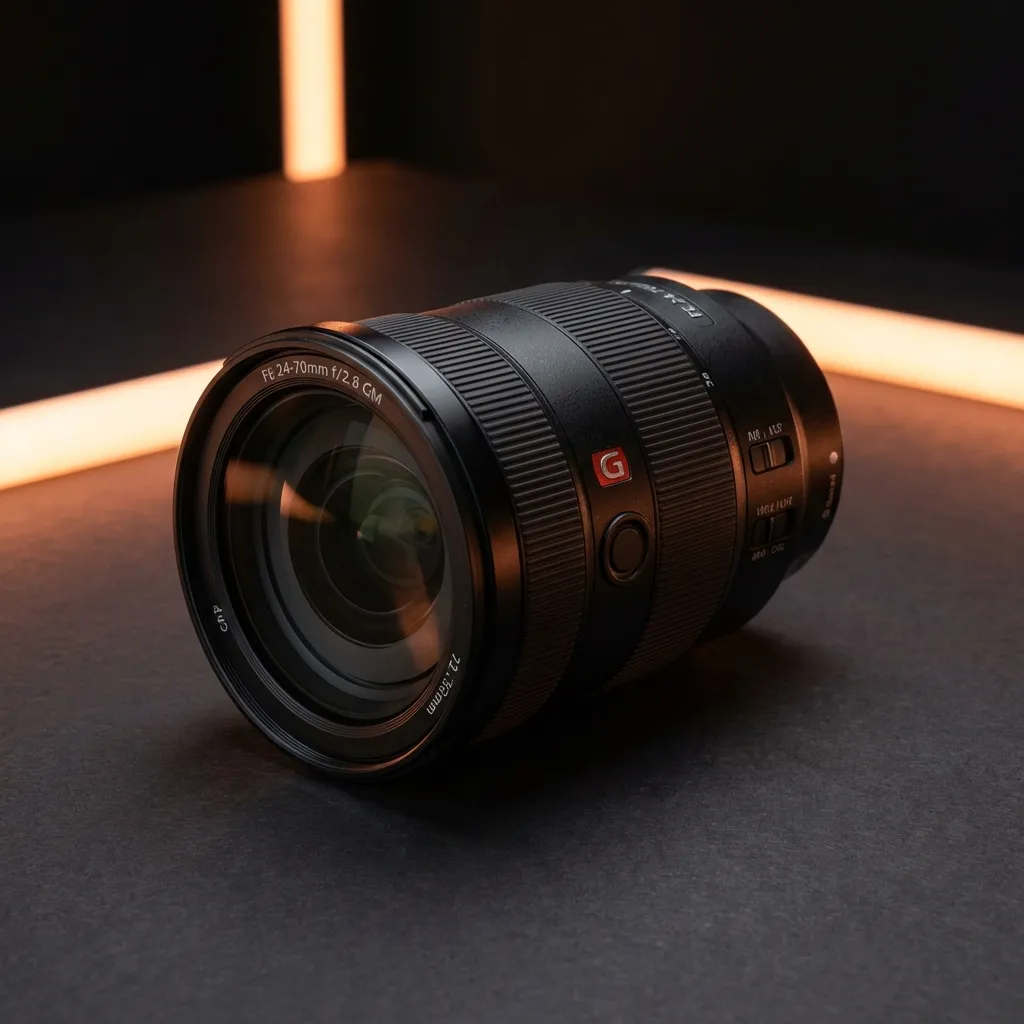
The largest lens ecosystem. Budget Sigma primes to premium G Master glass.
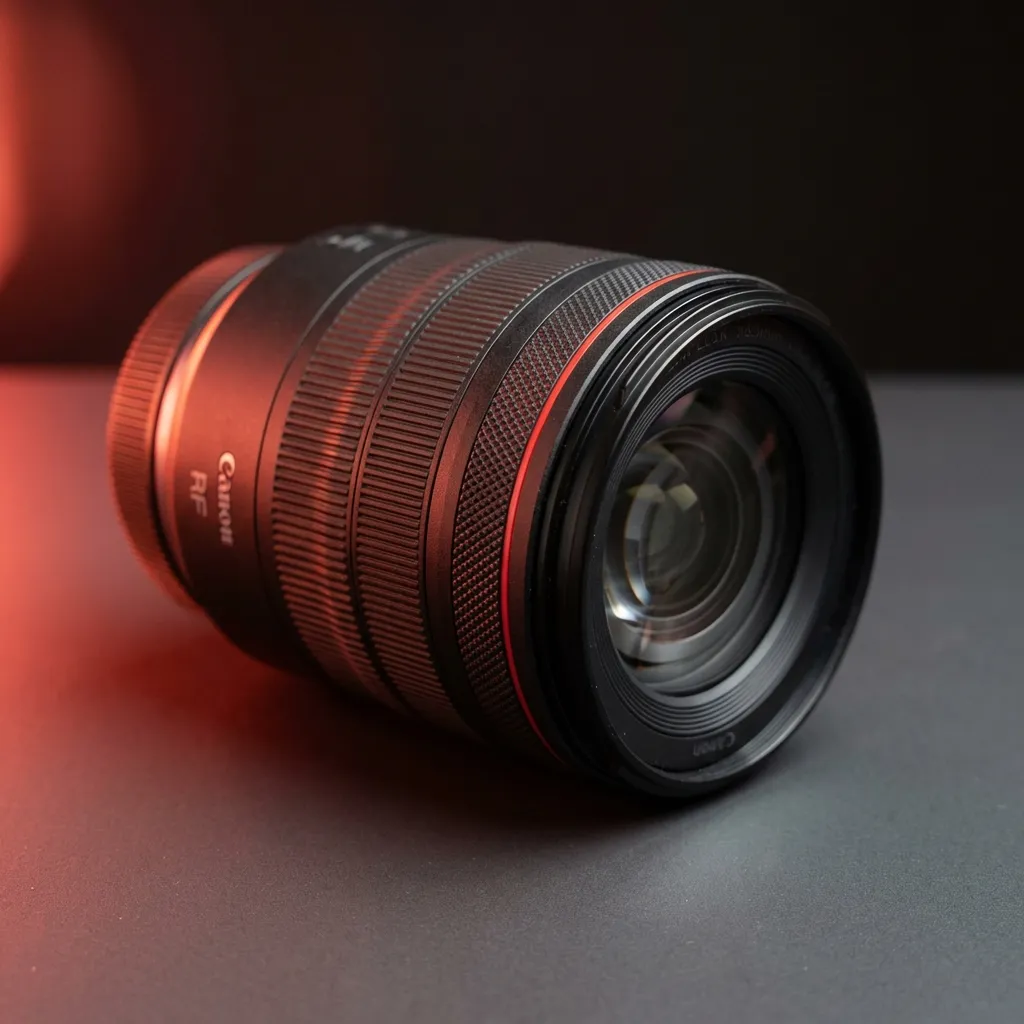
Premium optics with excellent autofocus. Budget picks and L-series glass.
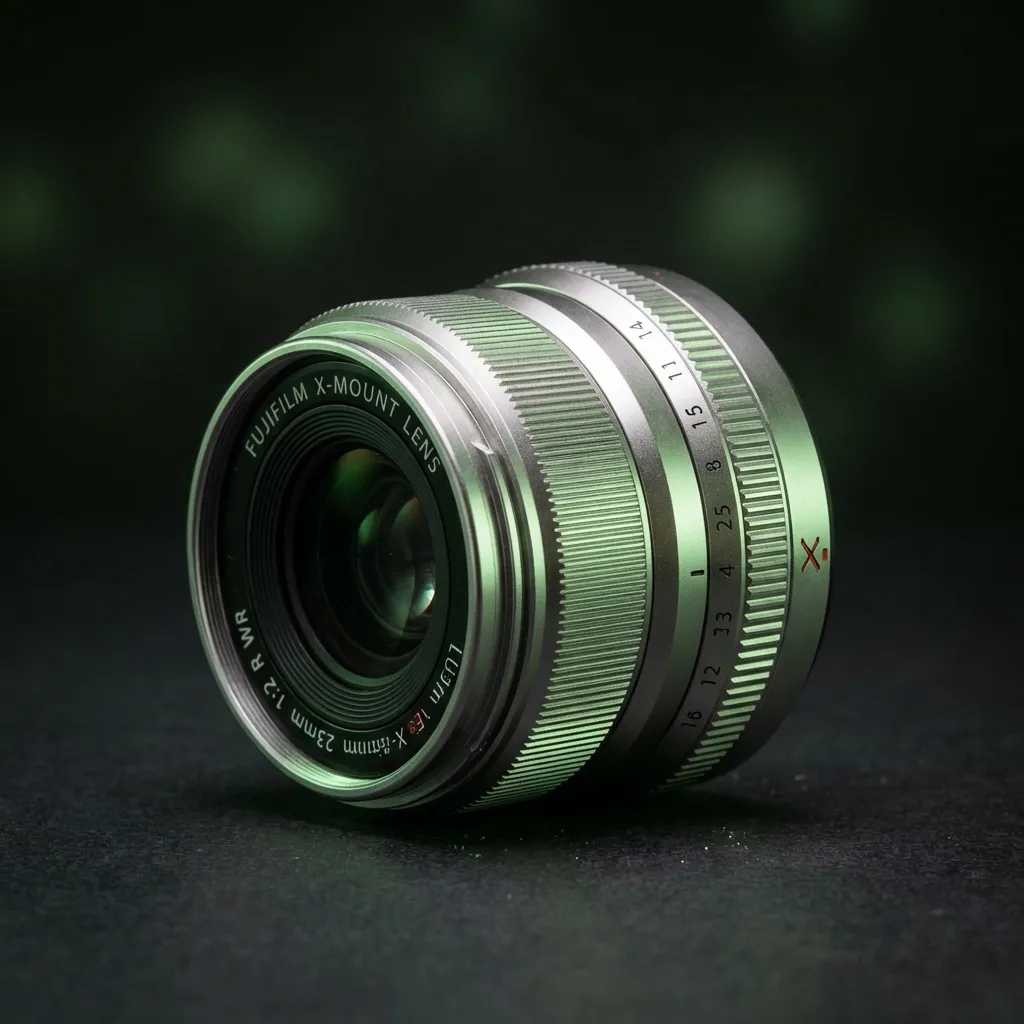
Compact, sharp, and stylish. Perfect match for Fuji's retro bodies.
Essential accessories we actually use every day.
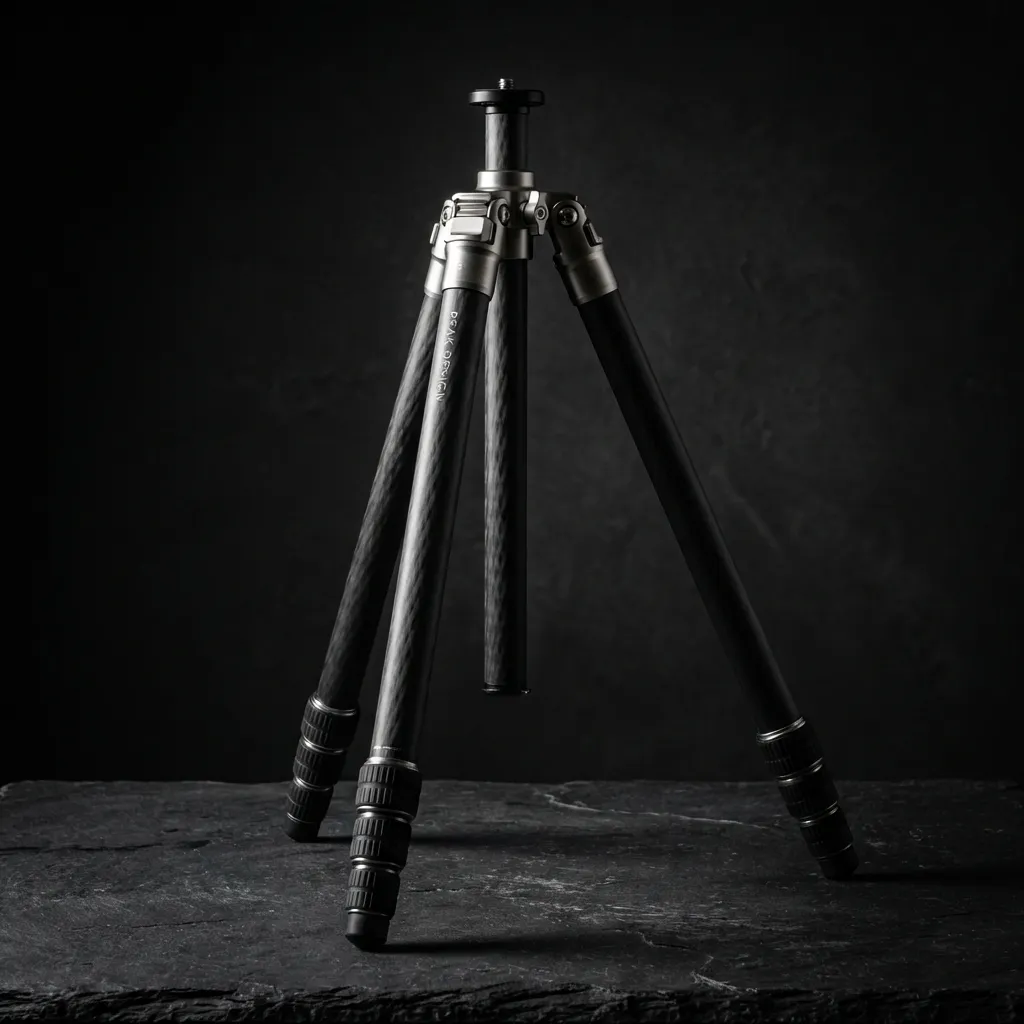
From ultralight travel tripods to pro video sticks. Stability tested.
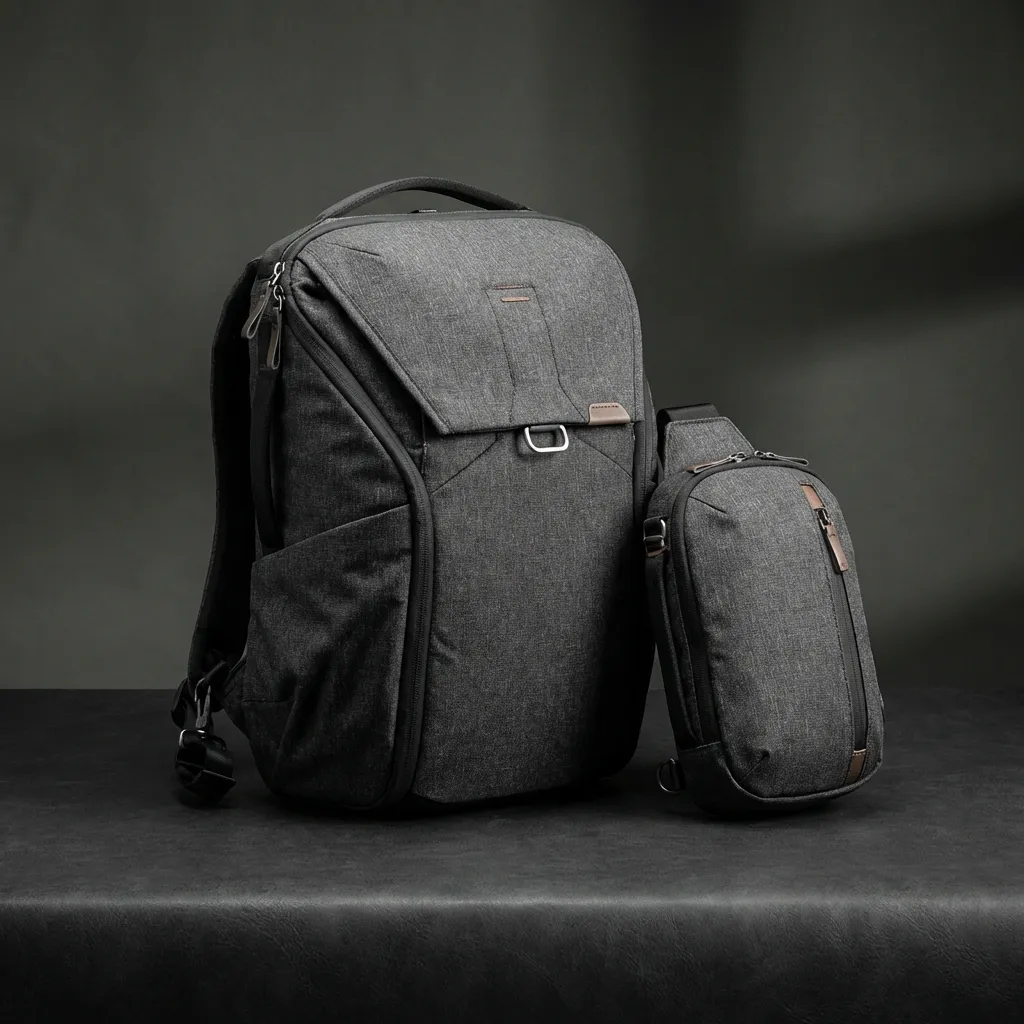
Backpacks, slings, and messenger bags. Protection meets style.
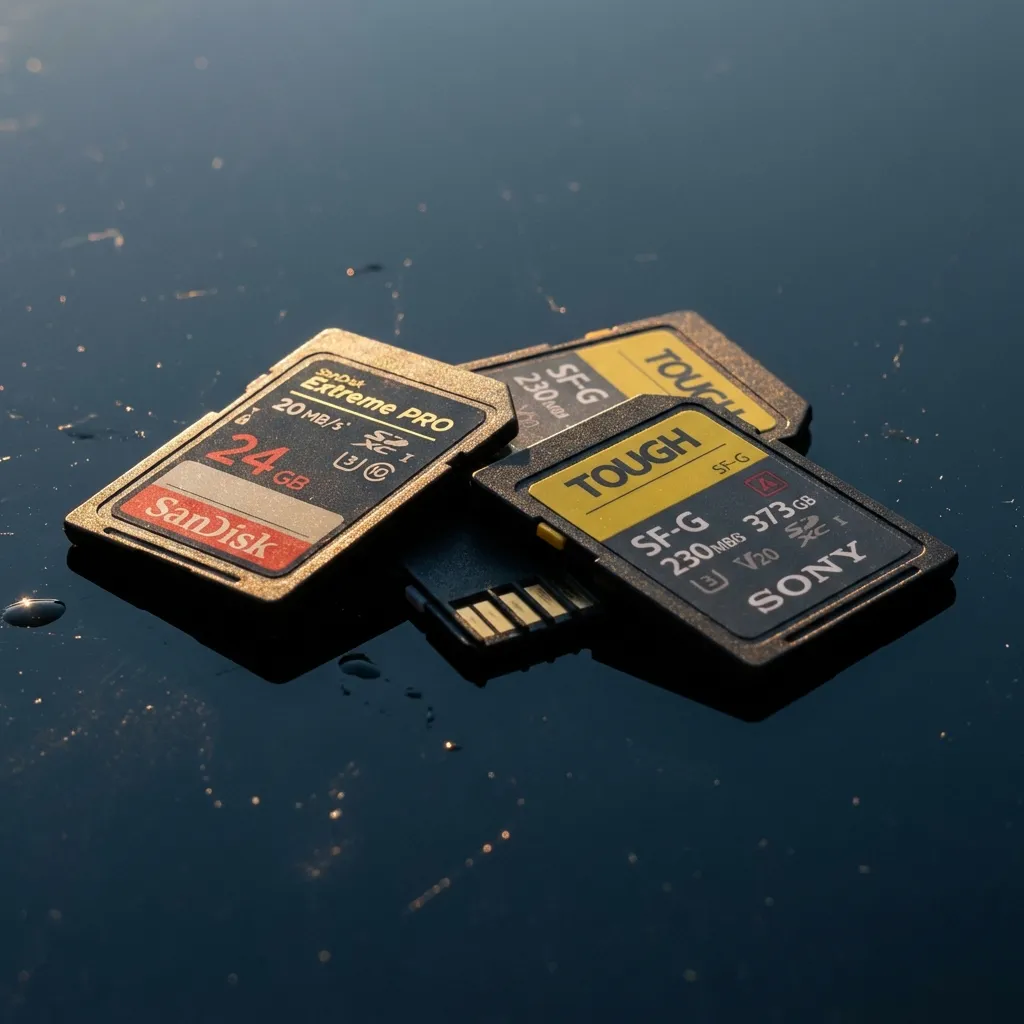
Speed matters for 4K video and burst photos. Real-world tested.
We use affiliate links to keep the site free. You never pay extra, and we only recommend gear we would buy ourselves.
Practical reviews focused on real-world shooting.
We check how quickly cameras lock on, track faces, and hold focus in video.
Heat limits, rolling shutter, stabilization, audio options, and log profiles.
Which lenses make sense for beginners, travel, and growth paths.
Common questions about choosing the right camera
For beginners, we recommend the Sony ZV-E10 or Canon EOS R8. These cameras feature fast autofocus, simple menus, good battery life, and lens options that you can grow with. The Sony ZV-E10 is particularly good for budget vloggers ($698), while the Canon R8 is an excellent value full-frame entry ($1,499).
Not necessarily. APS-C cameras (like the Fujifilm X-T5 or Sony A6700) offer an excellent balance of image quality, low-light performance, and price. Full-frame cameras excel in extreme low light and shallow depth of field, but APS-C cameras are lighter, cheaper, and have smaller lenses. Unless you shoot professional weddings or need extreme low-light performance, APS-C is perfectly adequate.
Start with a kit lens or a 24-70mm f/4 zoom. This gives you flexibility to explore your photographic style. Once you know what you shoot most, you can invest in dedicated lenses: wide-angle for travel (16-35mm), bright prime for portraits (50mm f/1.8), or telephoto for wildlife (70-200mm). Don't buy expensive f/1.4 primes right away—learn to use light first.
Mirrorless cameras use an electronic viewfinder instead of an optical one, making them smaller, lighter, and offering better video features and real-time preview. All major manufacturers (Canon, Sony, Nikon, Fujifilm) have transitioned to mirrorless systems. New lens releases, better autofocus, and video features are all concentrated on mirrorless. Unless you have a large DSLR lens collection, buy mirrorless.
Look for a camera with 4K 30fps (minimum), 10-bit internal recording (for color grading), a flip screen, good in-body image stabilization (IBIS) or lens stabilization, and clean HDMI output. For serious vlogging, prioritize fast autofocus (Sony / Canon), overheating management, and at least 60 minutes of recording limits. Hybrid cameras like the Sony A7C II or Panasonic S5 II strike a good balance between video and stills.
For $1,000 you can get excellent entry-level kits. Sony ZV-E10 + 16-50mm ($798), Canon EOS M50 Mark II ($699), or Fujifilm X-S10 + lens ($999) are all solid options. Prioritize reliable autofocus and good lens ecosystems over chasing maximum megapixels or 8K video. At this price point, body + lens + memory card + spare battery should all fit within budget.