
Weight vs Stability
Lighter tripods are easier to carry but less stable in wind. Carbon fiber offers the best strength-to-weight ratio but costs more.
A good tripod unlocks sharper photos, longer exposures, and smoother video. Here are our tested picks for every budget and use case.
| Tripod | Best For | Weight | Price |
|---|---|---|---|
| Peak Design Travel Tripod | Best Overall | 1.27kg | Check Price → |
| Manfrotto BeFree Advanced | Video | 1.49kg | Check Price → |
| Ulanzi MT-79 | Budget | 0.8kg | Check Price → |
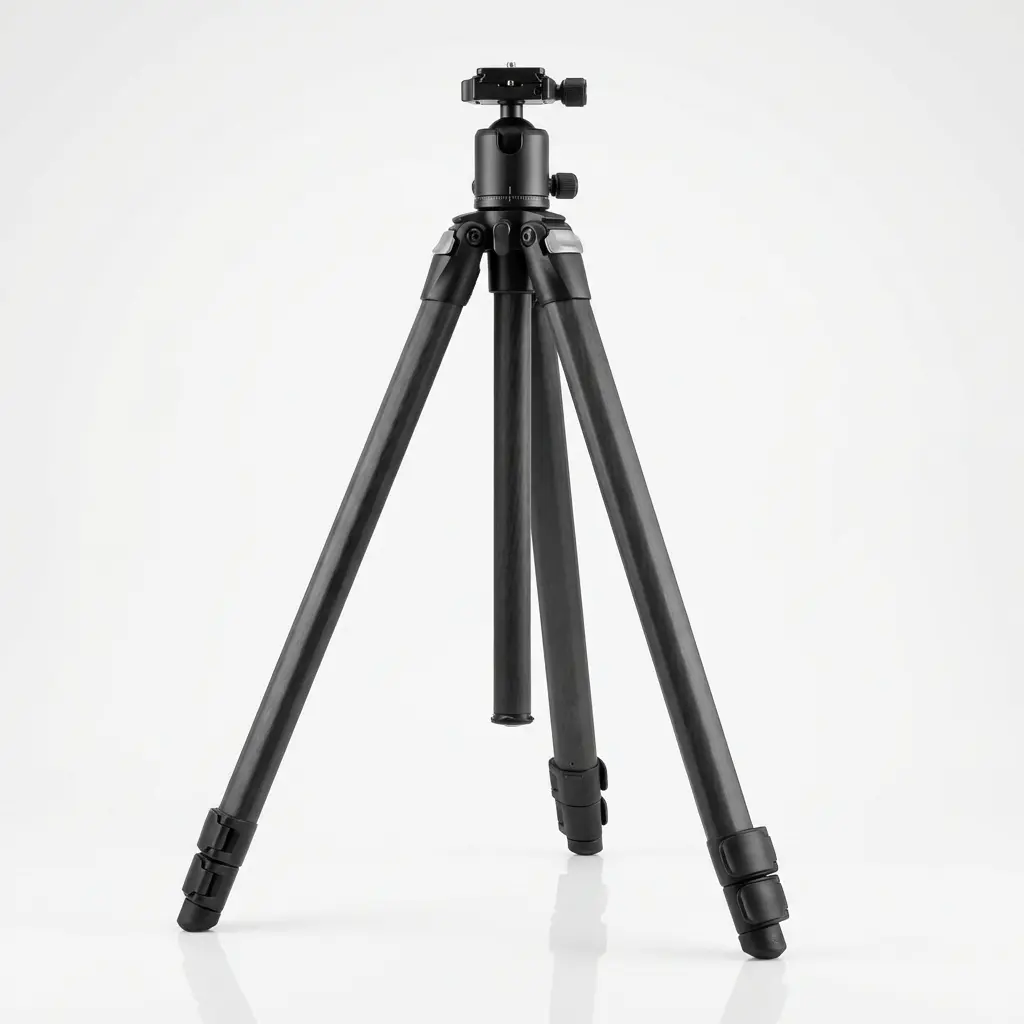
The most innovative travel tripod ever made. Peak Design reimagined every aspect — from leg locks to the center column — to create the most compact, full-featured tripod available.
When collapsed, it's barely bigger than a water bottle yet extends to 60 inches. The integrated ball head has a unique quick-release plate compatible with Peak Design's Capture system.
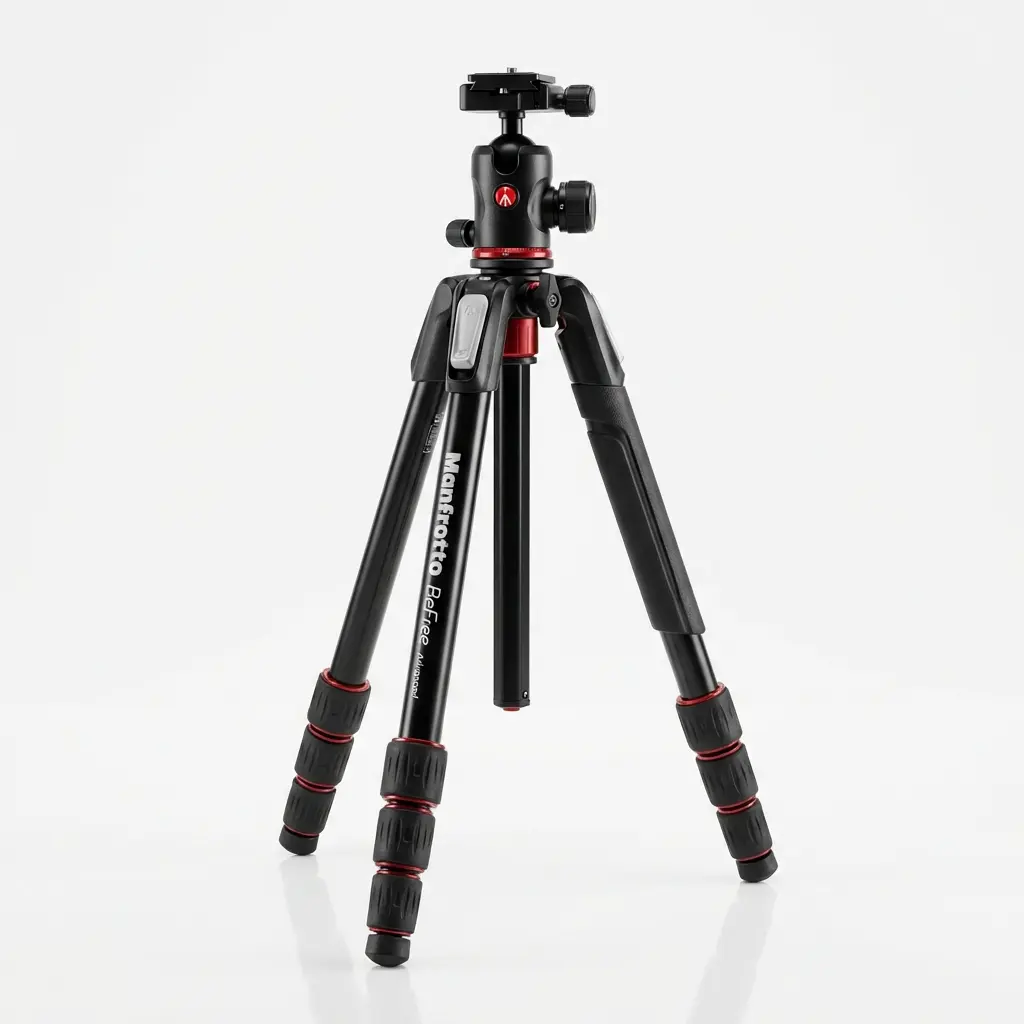
Manfrotto is the industry standard for video production, and the BeFree Advanced brings that reliability to a travel-friendly package.
The twist-lock legs are fast to deploy, and Manfrotto's 494 ball head is one of the smoothest in its class. Available with aluminum or carbon fiber legs.
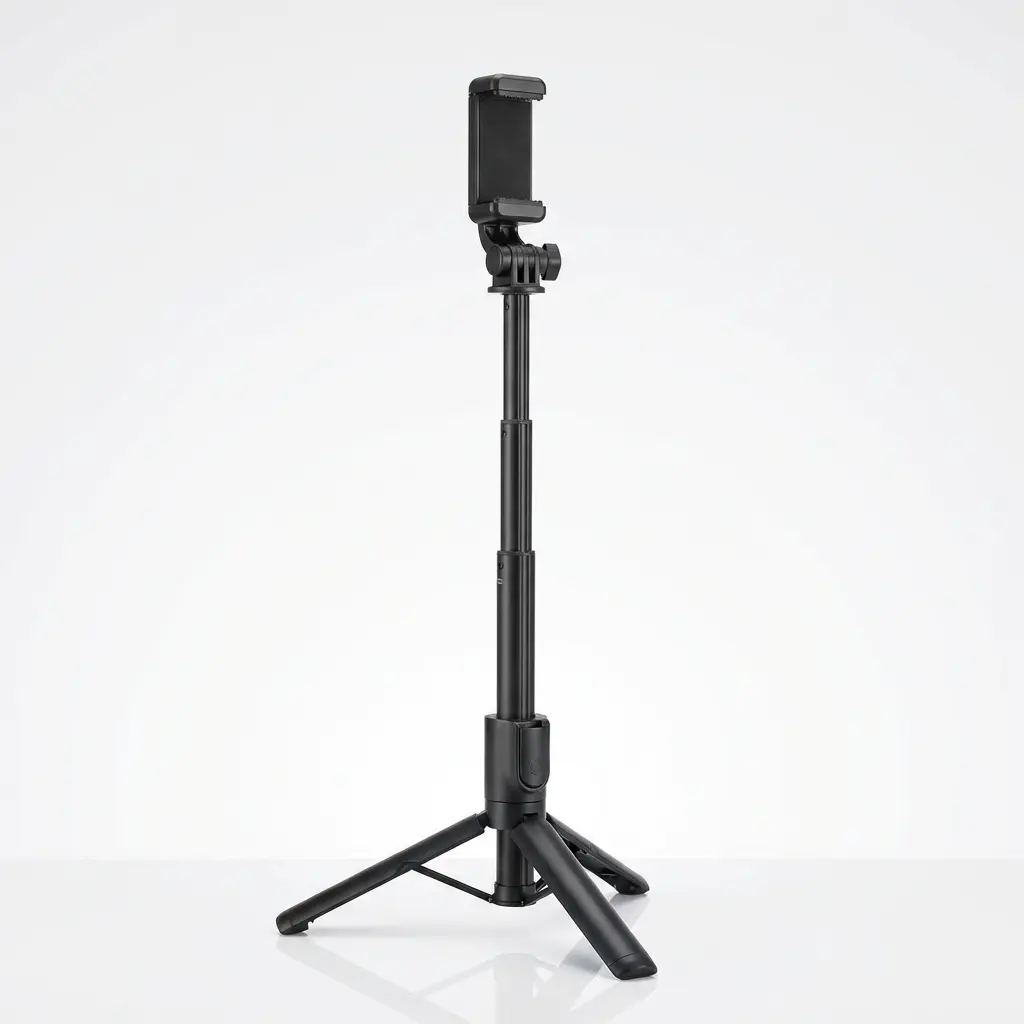
The best tripod under $50. Ulanzi's MT-79 doubles as a selfie stick and tripod, making it perfect for vloggers and content creators.
It extends to 79cm (31") — tall enough for most tabletop and low-angle shots. The hidden phone holder and compact size make it ideal for travel.
Lighter tripods are easier to carry but less stable in wind. Carbon fiber offers the best strength-to-weight ratio but costs more.
Flip/lever locks are faster to adjust. Twist locks are more compact but can freeze in cold weather or get grit in them.
A cheap tripod with a good head beats an expensive tripod with a bad head. Consider buying legs and head separately for best results.
We use these tripods on real shoots — not just unboxing videos. We test stability, ease of use, and durability over months of use.