
Audio > Video
People will watch blurry 720p video if the story is good, but they will click away instantly if the audio is scratchy. Invest in a mic.
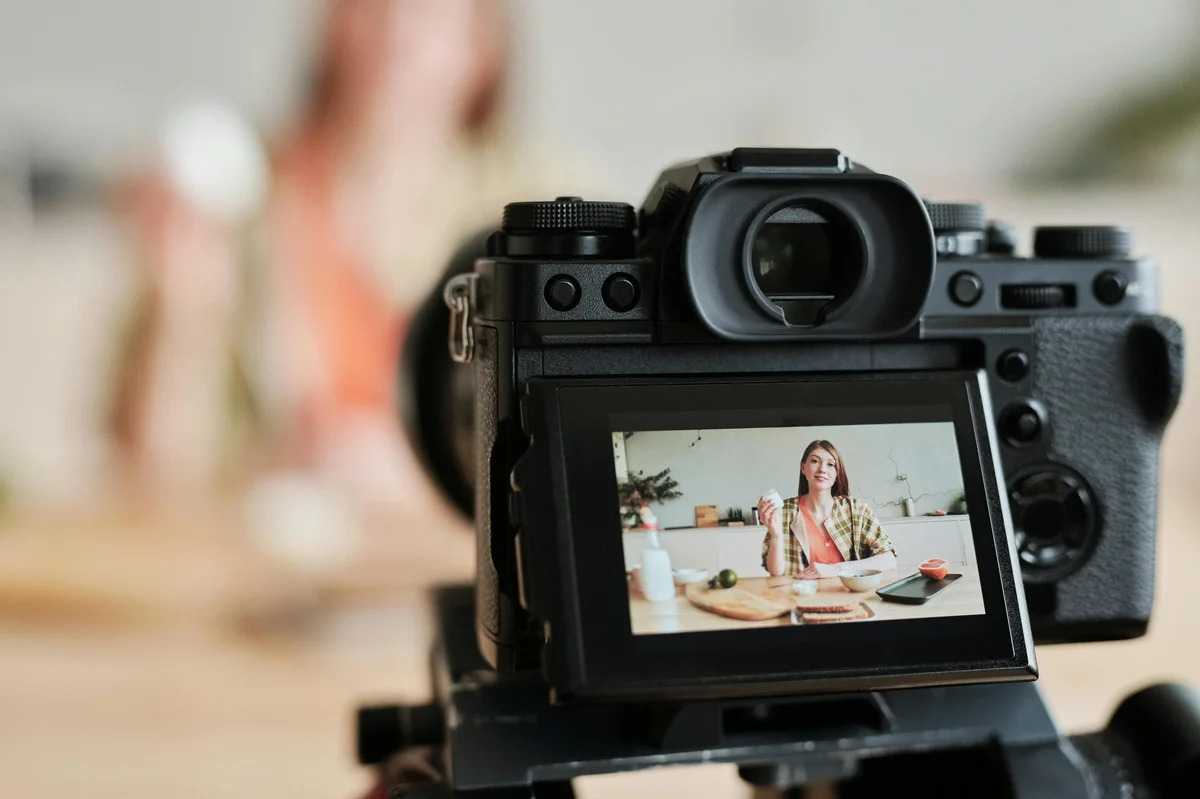
Great vlogging gear should be invisible. It needs to keep you in focus, keep the shaky footage smooth, and sound great without a PhD in audio engineering.
| Model | Type | Stabilization | Max Quality | Price |
|---|---|---|---|---|
| DJI Osmo Pocket 3 | Gimbal Cam | Mechanical (Perfect) | 4K120 | ~$519 |
| Sony ZV-E1 | Full-Frame | Active Digital | 4K60 (10-bit) | ~$2,199 |
| GoPro Hero 13 | Action Cam | HyperSmooth 7.0 | 5.3K60 | ~$399 |
| Sony ZV-1 II | Compact | Digital (Good) | 4K30 | ~$898 |
| Sony ZV-E10 II | APS-C | Digital | 4K60 10-bit | ~$998 |
| Nikon Z30 | APS-C | Electronic VR | 4K30 | ~$709 |
| Insta360 X4 | 360 Cam | FlowState AI | 8K30 360° | ~$499 |
| Panasonic G100D | M4/3 | Electronic | 4K30 | ~$598 |
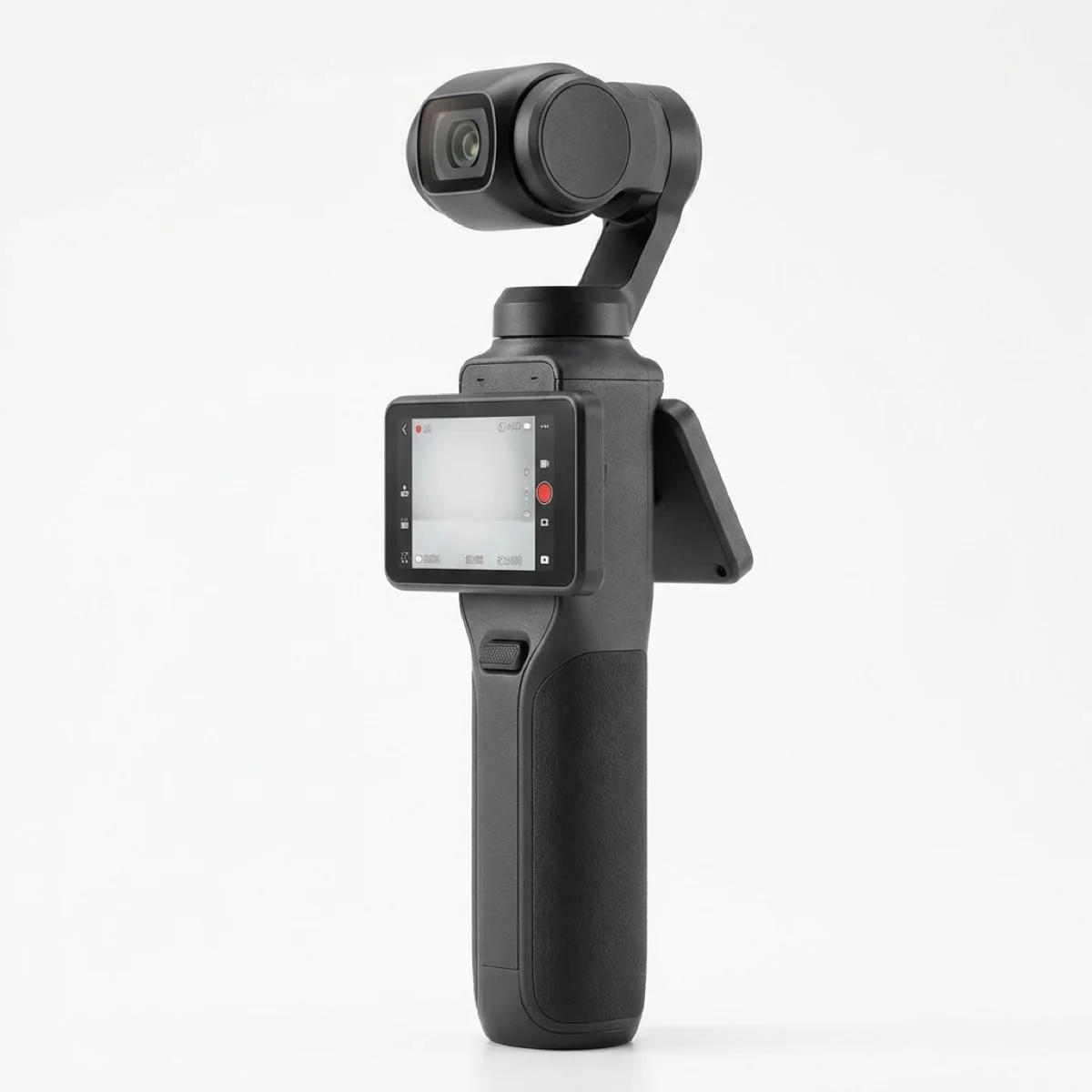
This isn't just a camera; it's a cheat code. The mechanical gimbal means your walking footage looks like it was shot on a Hollywood dolly track. It has a massive 1-inch sensor, so it actually works in dim restaurants or at night.
The wireless microphone (DJI Mic 2) connects directly to it instantly. Flip the screen, it turns on. Flip it back, it turns off. It is the fastest workflow in existence.
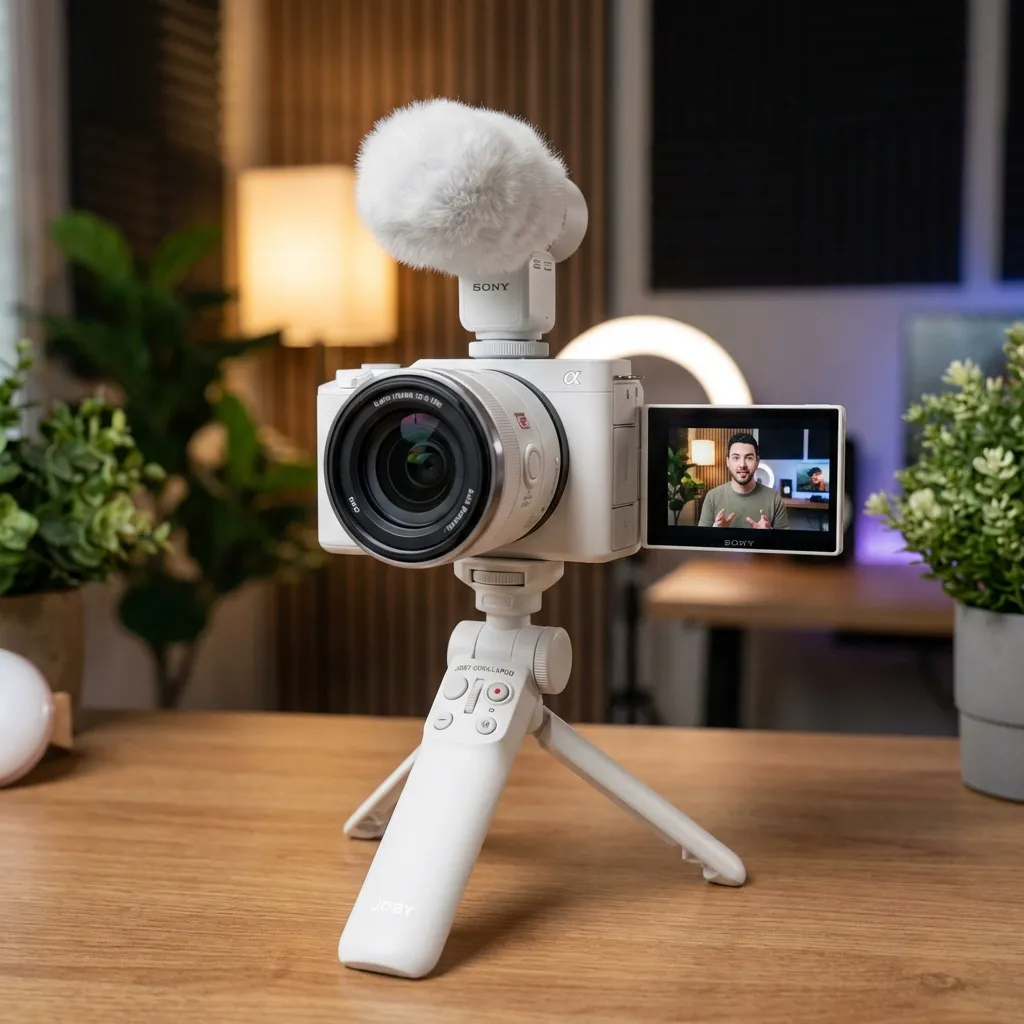
If you want your vlogs to look like Netflix documentaries, you need full-frame. The ZV-E1 uses the same sensor as the cinema-line FX3 but costs half the price. The background blur (bokeh) is real and creamy.
Its AI "Auto Framing" feature can digitally crop in to follow you around the room as if you have a cameraman. The best low-light performance of any consumer camera, period.
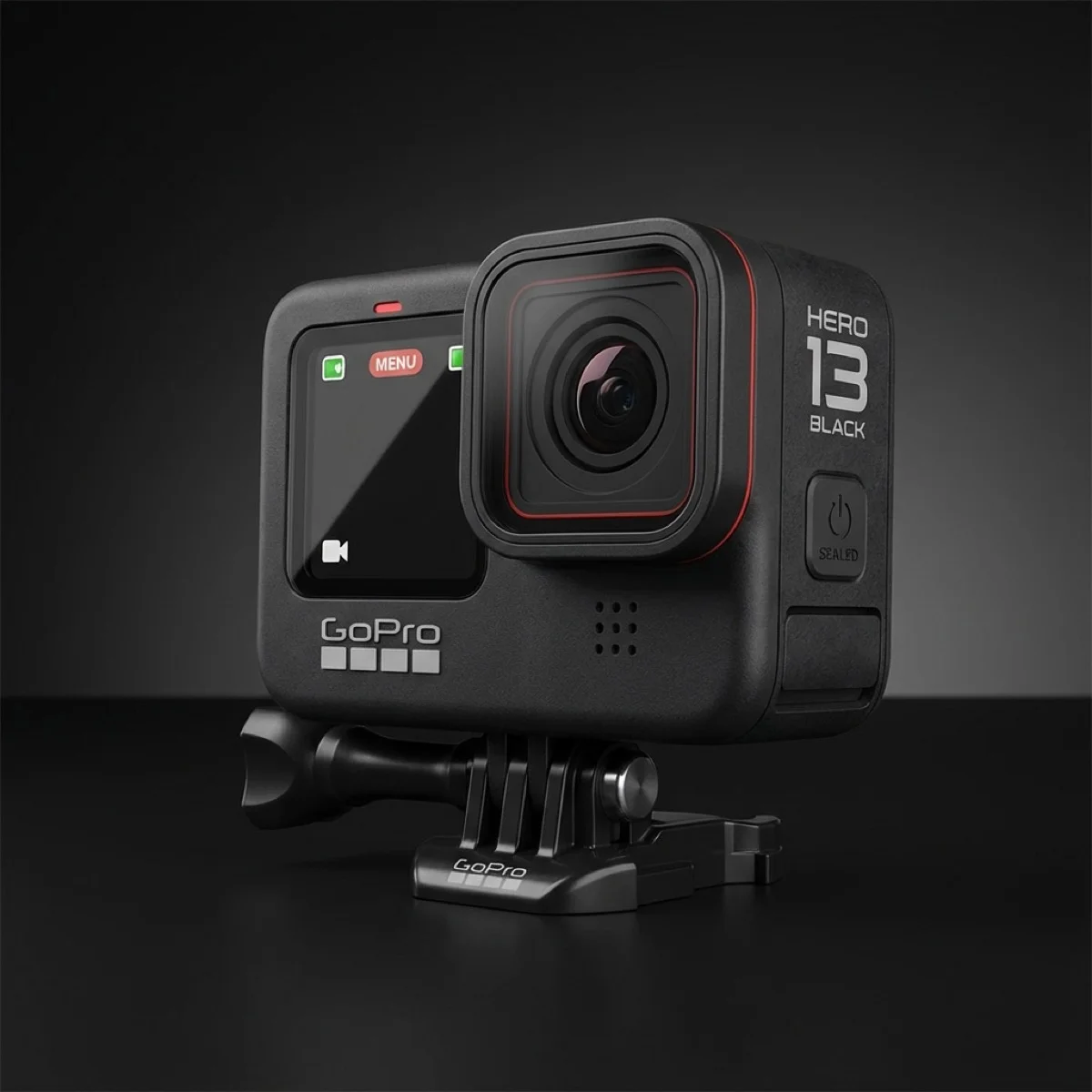
Sometimes vlogging is dangerous. For surfing, skiing, or just bad weather, the Hero 13 is indestructible. HyperSmooth 7.0 is like magic—it keeps the horizon level even if you spin the camera 360 degrees.
The front screen helps you frame shots, and the new 10-bit color options allow for serious color grading if you're a pro editor.
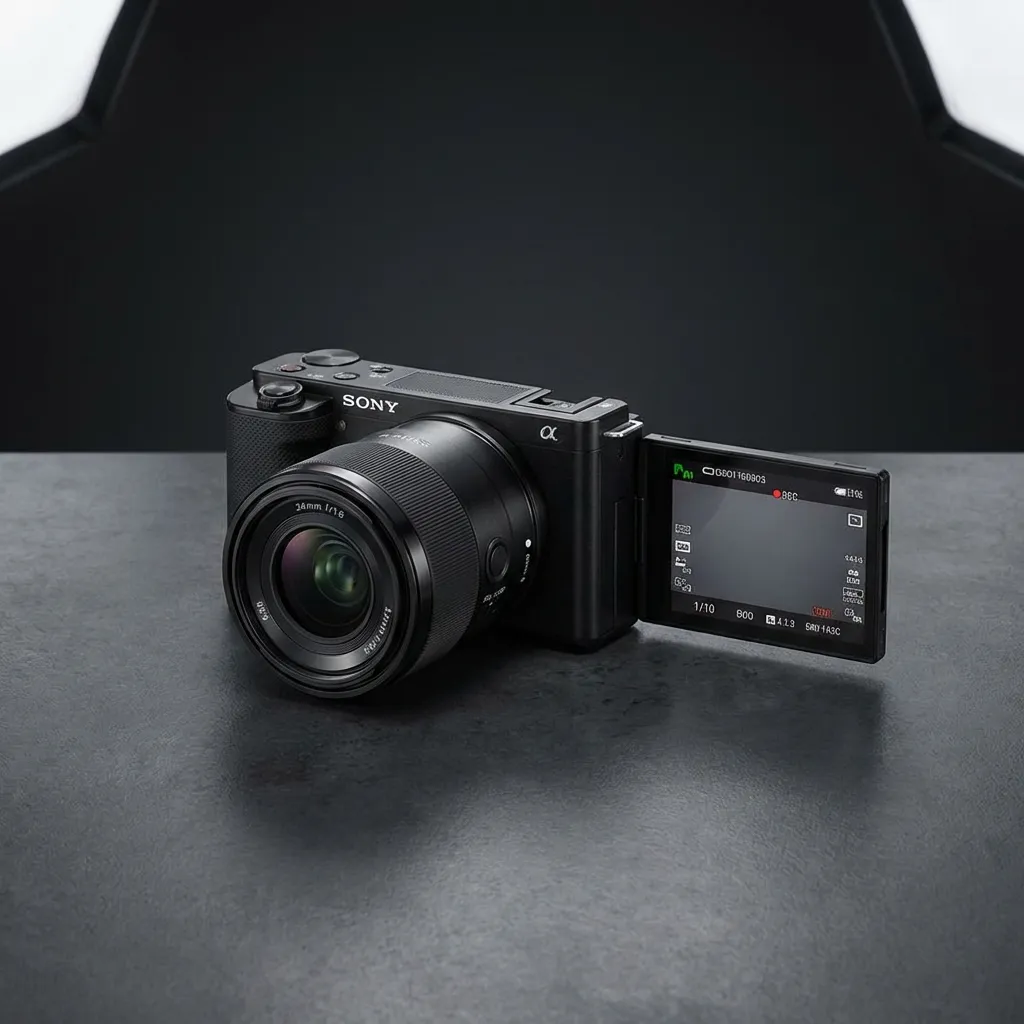
The ZV-1 II is the ultimate "point and vlog" camera. The built-in 18-50mm zoom lens means no separate lens purchases, no bulky kit—just grab and go. The ultra-wide 18mm end is perfect for selfie-mode vlogging.
All the ZV-series vlogging features are here: Product Showcase, Background Defocus button, and Sony's excellent face tracking. Perfect for travel vloggers who want pocketable quality.
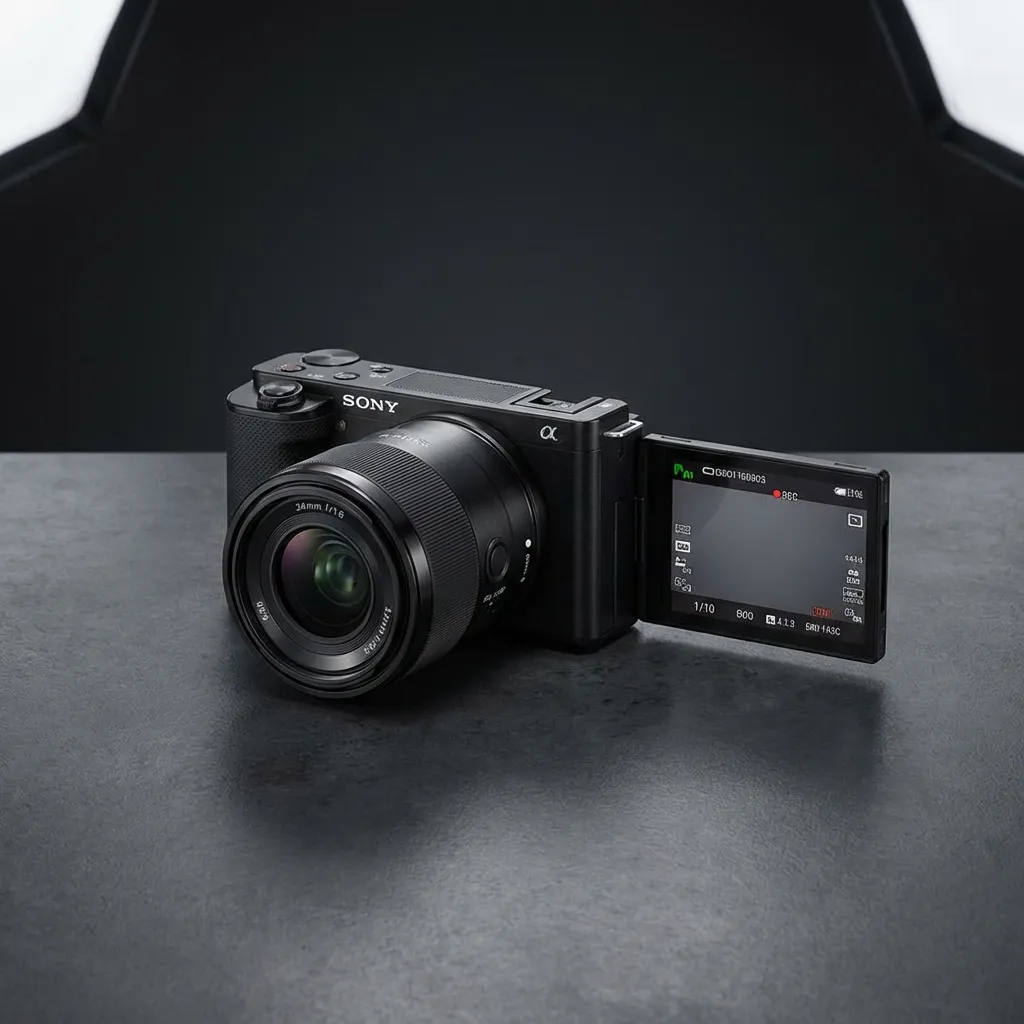
The ZV-E10 II takes everything great about the original and adds the A6700's sensor and autofocus. Result? Pro-level eye tracking in a vlog camera under $1,000.
4K60 10-bit recording with S-Log3 gives you the flexibility of a cinema camera. The flip screen and vlogging features make it perfect for solo creators.
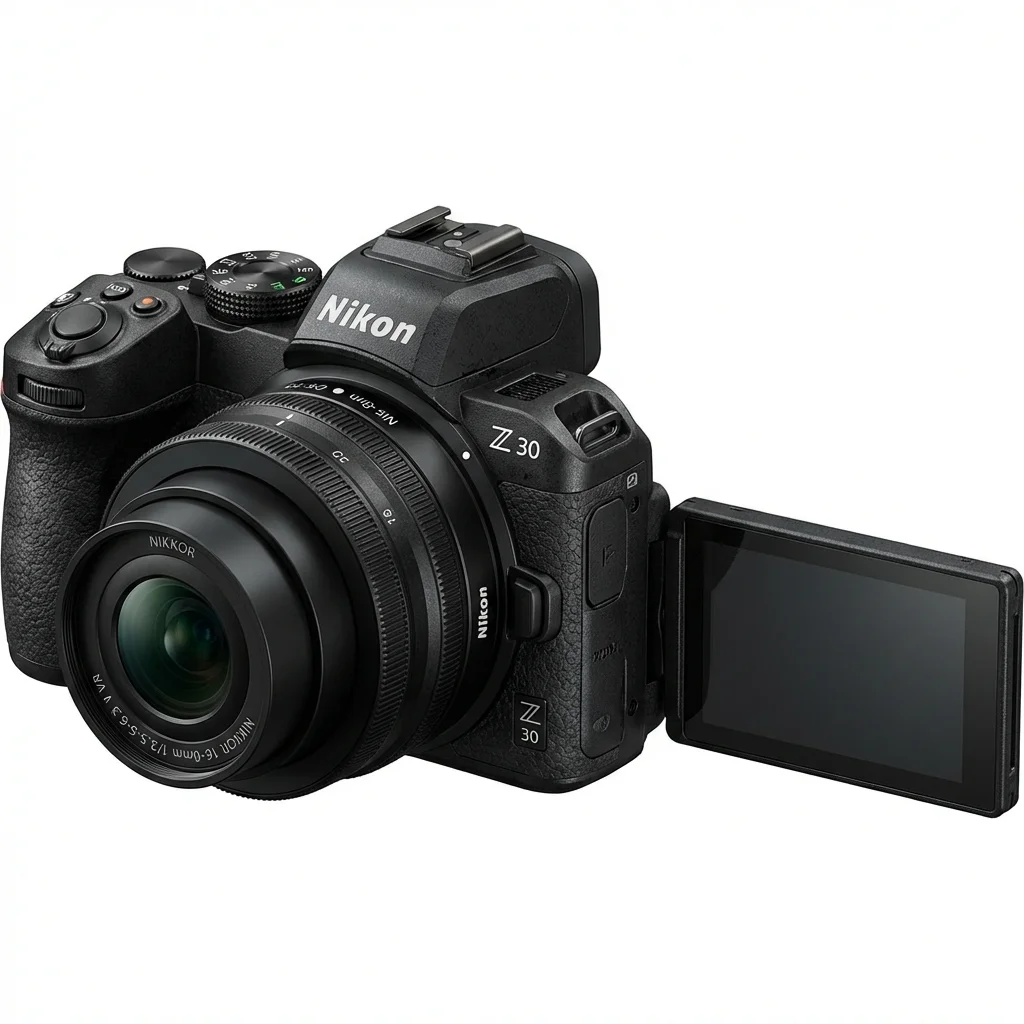
Nikon's answer to the ZV-E10. At $709, it's more affordable while delivering excellent face/eye tracking and natural Nikon colors that are especially flattering for skin tones.
The vari-angle screen, red record tally light, and external mic input make it a complete vlogging package. Entry to the Z-mount ecosystem opens future upgrade paths.

Think outside the traditional vlog format. The X4 records everything in 360°, then you "direct" the camera in post. Impossible shots become effortless.
Me Mode makes the selfie stick invisible, creating drone-like third-person views. Perfect for action sports, travel, and creators who want unique perspectives.
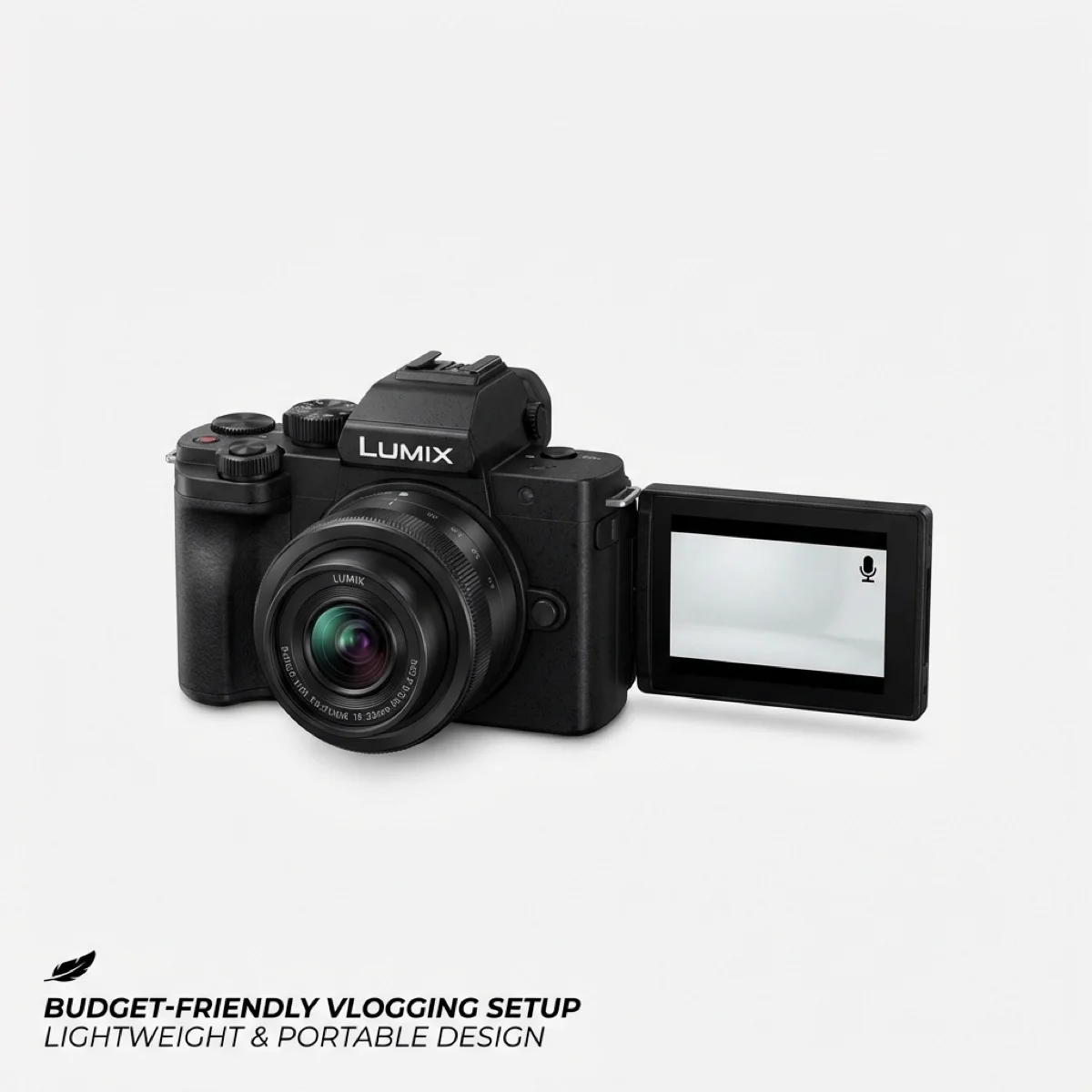
The G100D's secret weapon is Nokia OZO audio: three microphones track whoever is speaking and focus audio on them. No external mic needed for casual vlogs.
Micro Four Thirds means both body AND lenses are tiny. Perfect for travel vloggers who want interchangeable lenses without the bulk.
People will watch blurry 720p video if the story is good, but they will click away instantly if the audio is scratchy. Invest in a mic.
A $50 ring light or simply facing a window makes a bigger difference than upgrading from a $500 camera to a $2000 camera.

Our team of professional photographers and videographers has 10+ years of experience testing cameras. We buy our own gear and provide honest, unbiased reviews.
Learn more about our testing process →We buy or rent our own equipment. No manufacturer paid for this guide. We earn a commission when you use our affiliate links, which keeps this site ad-free.