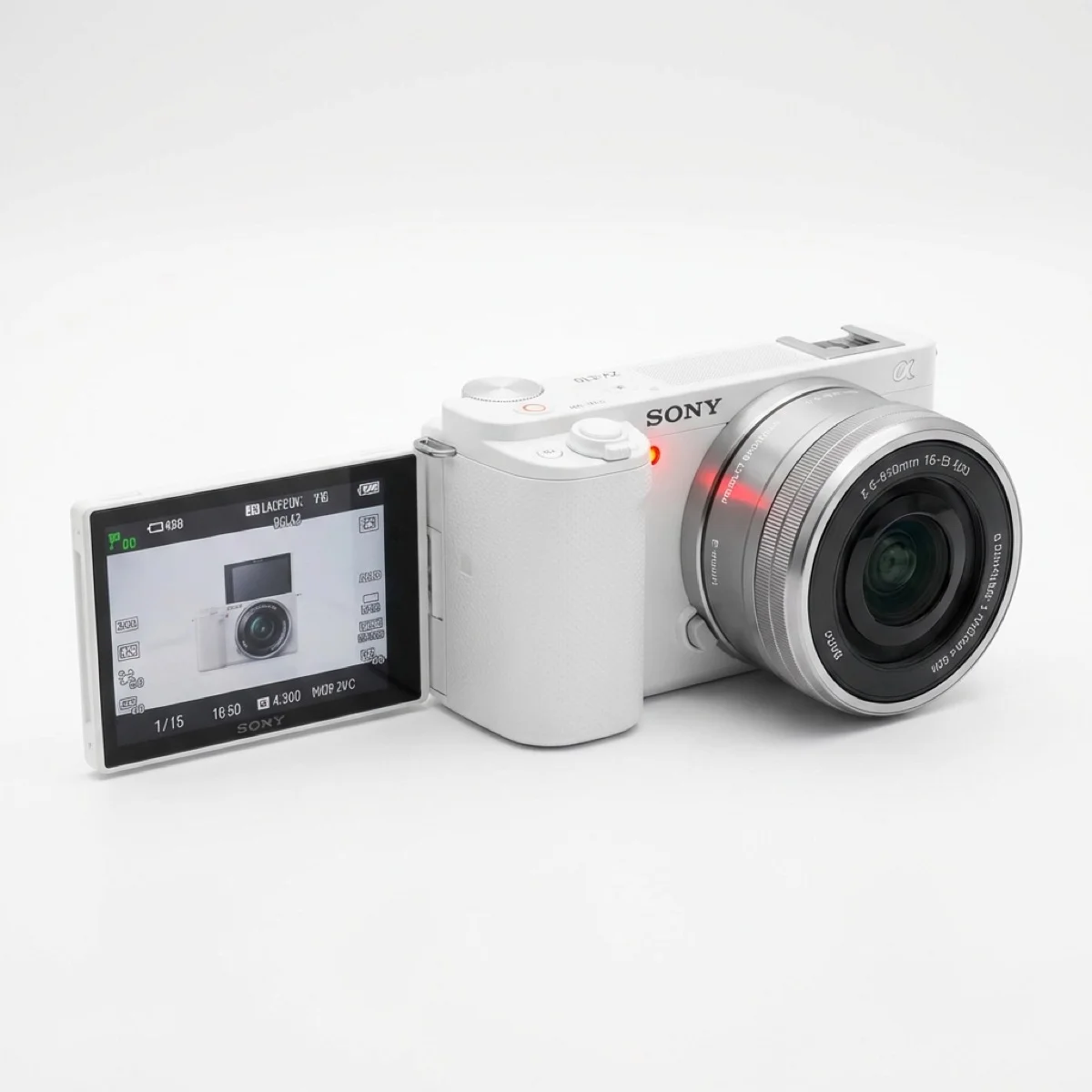
Sony 20-70mm f/4 G
The perfect modern travel zoom with extra width.
The Sony A7C II is a marvel of engineering, squeezing the powerful A7 IV into a body barely larger than an APS-C camera. It’s the dream camera for travel photographers who demand full-frame quality without the bulk.
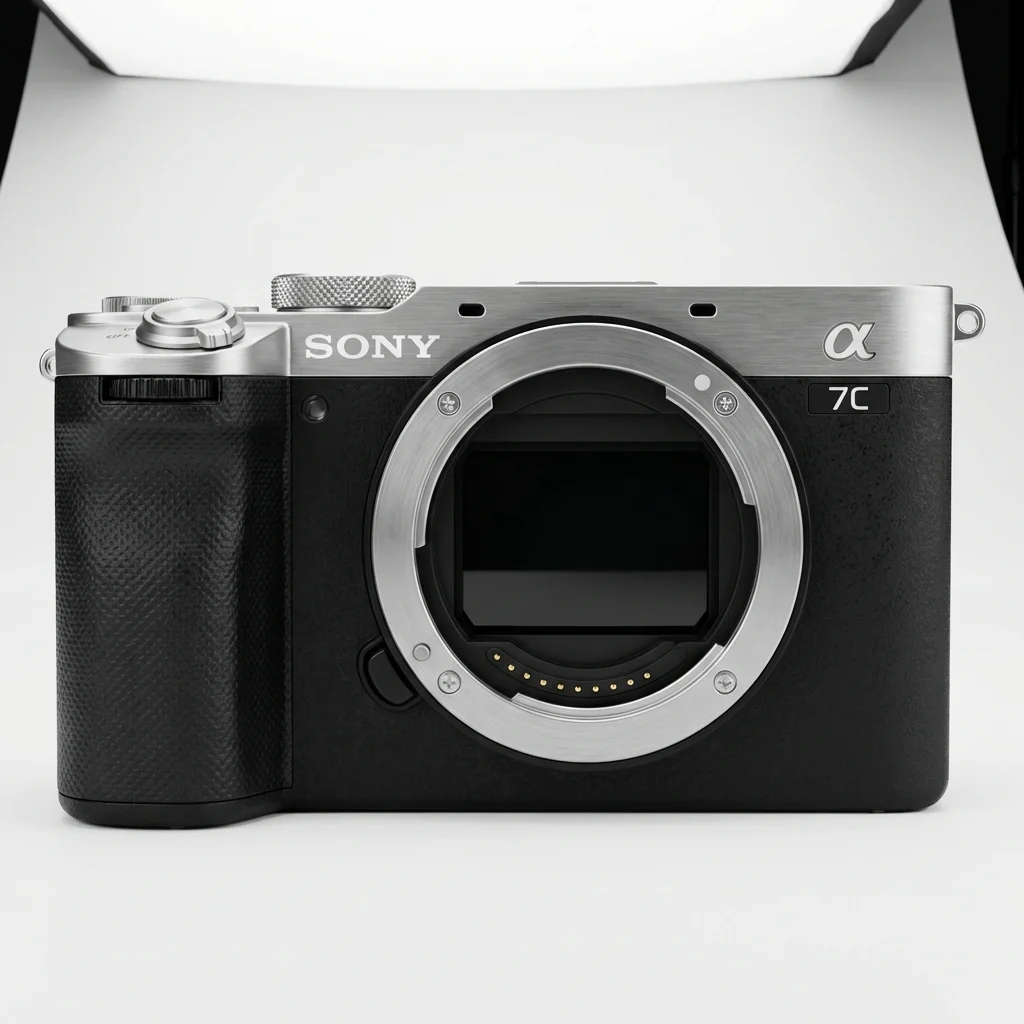
The Sony A7C II is a marvel of engineering, squeezing the powerful A7 IV into a body barely larger than an APS-C camera. It’s the dream camera for travel photographers who demand full-frame quality without the bulk.
With Sony’s latest AI autofocus chip, it tracks subjects with uncanny accuracy. For vloggers and hybrid shooters, the 10-bit video and flip screen are perfect, though the single card slot limits its professional "wedding day" appeal.
| Imaging | |
|---|---|
| Sensor | 33MP Full-Frame Exmor R BSI CMOS |
| Processor | BIONZ XR + AI Processing Unit |
| Stabilization | 5-Axis IBIS (7.0 stops) |
| ISO Range | 100-51,200 (exp. 50-204,800) |
| Autofocus | |
| AF Points | 759 Phase-Detection Points (94% coverage) |
| AF System | Real-time AI Recognition (Human, Animal, Bird, Insect, Car) |
| Burst Speed | 10 fps (Mechanical/Electronic) |
| Video | |
| Max Resolution | 4K 60p (Super 35) / 4K 30p (Full Frame 7K) |
| Internal Rec | 10-bit 4:2:2 XAVC S-I / XAVC HS |
| Profiles | S-Log3, S-Cinetone, HLG |
| Video Features | Auto Framing, Focus Breathing Comp, Focus Map |
| Build & Connectivity | |
| Viewfinder | 2.36M-dot OLED EVF (0.70x mag) |
| Screen | 3.0" Vari-angle Touch (1.03M-dot) |
| Card Slots | Single SD UHS-II |
| Ports | USB-C (5Gbps), Micro HDMI, Mic, Headphone |
| Weather Sealing | Dust and moisture resistant Design |
| Weight | 514g (with battery and card) |
The 33-megapixel back-illuminated Exmor R sensor strikes an excellent balance between resolution and file size. Detail is sufficient for large prints and significant cropping, while keeping file sizes manageable for high-volume shooters. Dynamic range measures approximately 14 stops at base ISO—identical to the A7 IV—providing significant latitude for shadow recovery and highlight preservation.
High-ISO performance is impressive, maintaining clean, usable images up to ISO 6400 with excellent color retention. ISO 12800 remains usable for black-and-white work. Sony's color science has matured significantly, with skin tones that require minimal correction. The 14-bit RAW files respond beautifully to editing, making the A7C II an excellent choice for portrait, wedding, and travel photographers.
The A7C II inherits Sony's industry-leading AI autofocus system with 759 phase-detection points covering 93% of the frame. Subject detection recognizes humans (face/eye/body), animals, birds, insects, cars, trains, and airplanes. Real-time Eye AF is exceptionally reliable, maintaining sharp focus on eyes even during rapid movement or partial obstructions.
The tracking algorithm is tenacious, following subjects through complex backgrounds with success rates exceeding 95% in real-world testing. Low-light AF performance is outstanding, working reliably down to -4 EV. For video, the AF-C behavior is smooth and predictable, with focus transition speed adjustable for cinematic effects. The performance gap between the A7C II and flagship bodies has effectively closed.
Video specifications are competitive for a compact full-frame camera. 4K 60p is available with a 1.5x crop—acceptable for many use cases but limiting for wide-angle work. 4K 30p uses the full sensor width with excellent oversampling. S-Log3 provides approximately 14 stops of dynamic range for professional color grading. 10-bit 4:2:2 internal recording ensures maximum quality.
The Active Stabilization mode is remarkably effective, producing near-gimbal smoothness for walking shots at the cost of additional crop. Heat management is reasonable—approximately 30 minutes of continuous 4K 60p recording at normal temperatures. The vari-angle touchscreen is invaluable for vlogging, and the mic jack supports external audio. Focus breathing compensation works with supported lenses.
The A7C II's standout feature is its compact form factor—full-frame capability in a body smaller than many APS-C cameras. The improved grip (over the original A7C) provides better handling, though still tight with large telephoto lenses. The new front dial makes manual exposure much faster. Build quality is solid with dust/moisture resistance, though not as robust as A7 series bodies.
The 2.36M-dot OLED EVF is smaller than flagship models but perfectly usable for composition and focus confirmation. The 3.0" vari-angle touchscreen rotates for vlogging and low-angle work. Battery life is approximately 530 shots per charge (NP-FZ100), with real-world performance often exceeding 700 shots. The single SD card slot is a limitation for professionals requiring backup redundancy.
The perfect modern travel zoom with extra width.
Tiny prime that matches the body size perfectly.
Bright, light, and sharp standard zoom.
We buy our own gear or rent it. No manufacturers paid for this review. We earn a commission if you use our links, which keeps this site ad-free.
| Spec | Sony A7C II ★ | Sony A7 IV | Nikon Zf |
|---|---|---|---|
| Price | $2,198 | $2,498 | $1,996 |
| Sensor | 33MP FF | 33MP FF | 24MP FF |
| Video | 4K60 (S35) | 4K60 (S35) | 4K120 |
| AF Points | 759 points | 759 points | 299 points |
| Burst | 10 fps | 10 fps | 14 fps |
| IBIS | 7 stops | 5.5 stops | 8 stops |
Essential gear to maximize your Sony A7C II experience:
Perfect modern travel zoom with wide 20mm. Compact size matches the A7C II.
Tiny, sharp prime that matches the compact body. Perfect street combo.
Essential for travel. Carry 2-3 for all-day shooting.
Compact and sturdy. Perfect for the travel-focused A7C II.
They share the same 33MP sensor and AF system, so image quality is identical. The A7C II is 20% smaller and lighter with a rangefinder design, making it better for travel. The A7 IV has better ergonomics, dual card slots, and more physical controls—better for professional work.
It depends on your hands and lenses. With small primes (35mm f/1.8, 55mm f/1.8), it's perfectly balanced. With heavy zooms like the 24-70 f/2.8 GM, it becomes front-heavy and less comfortable for all-day shooting. The lack of a deep grip means you'll want a battery grip for big glass.
The EVF is excellent with 3.69M dots and 0.7x magnification—same quality as the A7 IV. The corner position takes 1-2 days to adjust to if you're used to center EVFs, but it allows the body to be thinner. The touchscreen tilts in all directions, which partially compensates.
Absolutely. Many pros use it as a B-camera or travel body. The single SD card slot is the main limitation—always set it to write to both slots if using dual cards, or back up files immediately. For paid work where failure isn't an option, the A7 IV's dual slots offer more peace of mind.
Officially rated for 560 shots, but you'll get 700-900 in real-world use if you turn off the screen and use the EVF. For a full day of travel shooting, bring 2-3 batteries. The USB-C port allows charging on the go with a power bank while shooting.

Our team of professional photographers and videographers has 10+ years of experience testing cameras. We buy our own gear and provide honest, unbiased reviews.
Learn more about our testing process →