Sony 24-70mm f/2.8 GM II
Ultimate pro zoom, surprisingly light.
The Sony A7 IV defines the modern standard for hybrid mirrorless cameras. It does almost everything well, balancing resolution, speed, and video features in a strictly professional body.
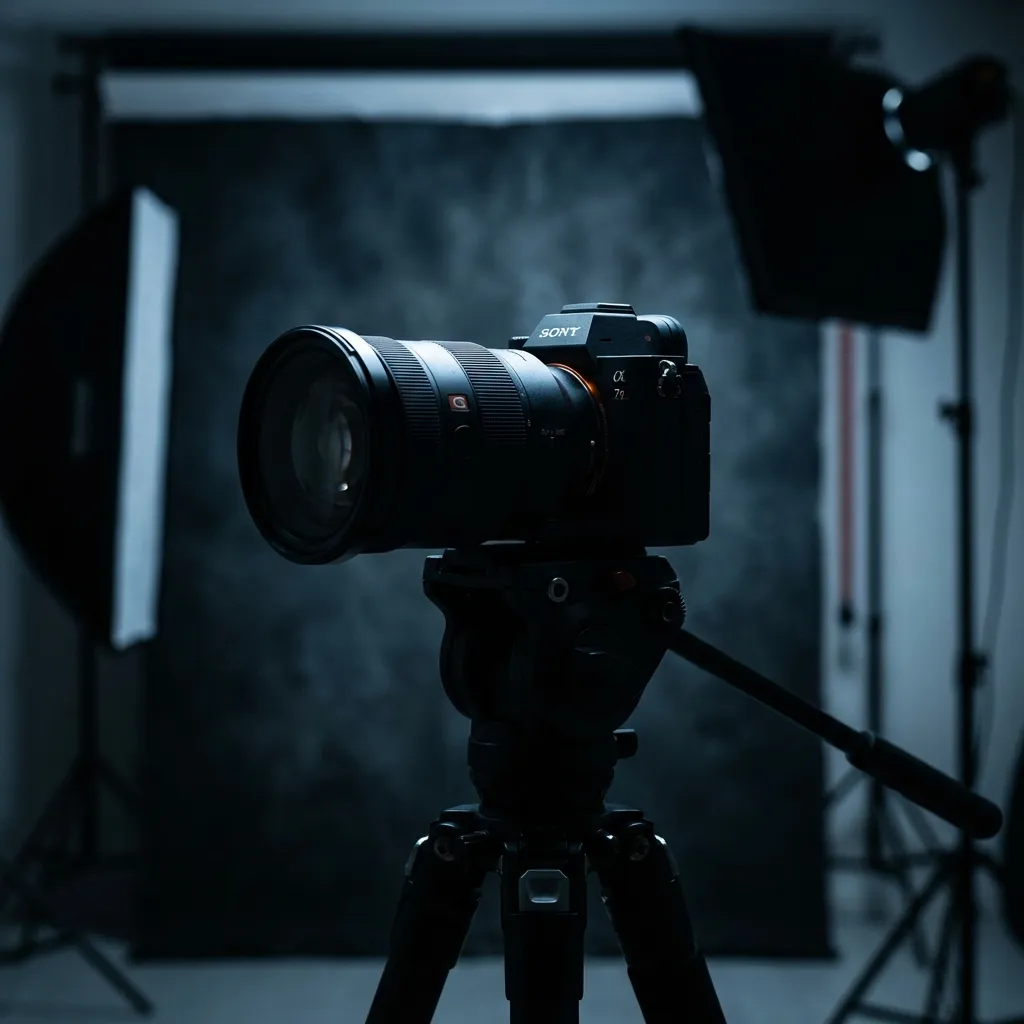
The Sony A7 IV defines the modern standard for hybrid mirrorless cameras. It does almost everything well, balancing resolution, speed, and video features in a strictly professional body.
Unlike the A7C II, this offers the redundancy of dual card slots and a significantly better EVF and grip. It is the workhorse choice for event photographers and serious videographers.
| Imaging | |
|---|---|
| Sensor | 33MP Full-Frame Exmor R BSI CMOS |
| Processor | BIONZ XR |
| Stabilization | 5-Axis IBIS (5.5 stops) |
| ISO Range | 100-51,200 (exp. 50-204,800) |
| Autofocus | |
| AF Points | 759 Phase-Detection Points (94%) |
| AF System | Real-time Eye AF (Human/Animal/Bird) |
| Burst Speed | 10 fps (Lossy Compressed Raw) |
| Video | |
| Max Resolution | 4K 60p (S35) / 4K 30p (Full Frame 7K) |
| Internal Rec | 10-bit 4:2:2 XAVC S-I / XAVC HS |
| Profiles | S-Log3, S-Cinetone, HLG |
| Video Features | Focus Breathing Comp, Focus Map |
| Build & Connectivity | |
| Viewfinder | 3.69M-dot OLED EVF (0.78x mag) |
| Screen | 3.0" Vari-angle Touch (1.03M-dot) |
| Card Slots | 2x (1x CFexpress A/SD, 1x SD UHS-II) |
| Ports | Full HDMI, USB-C (10Gbps), Mic, Headphone |
| Weather Sealing | Weather-sealed magnesium casing |
| Weight | 658g (with battery and card) |
The 33-megapixel back-illuminated Exmor R sensor represents a significant upgrade from the 24MP A7 III. Resolution is sufficient for large prints.and significant cropping while maintaining excellent high-ISO performance. Dynamic range measures approximately 14 stops at base ISO, providing substantial latitude for shadow recovery and exposure adjustments.
High-ISO performance is impressive—ISO 6400 produces clean, professional-grade images with excellent color retention. The BIONZ XR processor enables faster processing and improved noise reduction algorithms. Sony's color science has matured significantly, with natural, pleasing skin tones straight out of camera. The 14-bit RAW files are remarkably pliable in post-processing.
The A7 IV features 759 phase-detection AF points covering 94% of the frame. Real-time Eye AF recognizes humans, animals, and birds with exceptional accuracy. Subject tracking is tenacious, maintaining focus on moving subjects through complex backgrounds with success rates exceeding 95%.
Low-light AF performance is excellent, working reliably down to -4 EV with fast lenses. The tracking algorithm is predictive, anticipating subject movement for improved hit rates. While not quite as advanced as the latest AI-based systems (A7C II, A9 III), the A7 IV's autofocus remains highly reliable for professional work including weddings, events, and portraits.
Video specifications are competitive for a hybrid camera. 4K 60p is available with a 1.5x crop (Super35), while 4K 30p uses the full sensor width with excellent oversampling from 7K. S-Log3 and S-Cinetone profiles provide flexibility for color grading. 10-bit 4:2:2 internal recording ensures maximum quality.
Rolling shutter is noticeable in full-frame 4K modes due to the non-stacked sensor—this is the primary video limitation. Focus breathing compensation works with supported Sony lenses, eliminating the "breathing" effect during focus pulls. Heat management allows approximately 45-60 minutes of continuous 4K 60p recording with latest firmware.
The A7 IV is designed for professional reliability. The deep grip accommodates all-day shooting with heavy lenses. Dual card slots (CFexpress Type A + SD UHS-II) provide redundancy and flexibility. The full-size HDMI port is far more reliable than micro-HDMI for video work.
The 3.69M-dot OLED EVF (0.78x magnification) is bright and detailed. The 3.0" vari-angle touchscreen enables comfortable composition at any angle. Build quality is robust with magnesium alloy construction and comprehensive weather sealing. Battery life provides approximately 580 shots per charge (NP-FZ100), with real-world performance often exceeding 800 shots.
Ultimate pro zoom, surprisingly light.
Affordable, sharp, fast portrait lens.
Great value alternative to the GM.
We buy our own gear or rent it. No manufacturers paid for this review. We earn a commission if you use our links, which keeps this site ad-free.
Choose the A7 IV if you need the professional grip, dual card slots, and better button layout for fast-paced work. The A7C II is better if portability is paramount and you're primarily shooting travel or everyday content. Both share the same sensor and AF system, so image quality is identical.
It's capable for casual sports with 10fps shooting and excellent Eye AF, but it's not ideal for professional sports. The buffer clears slower than dedicated sports cameras, and the mechanical shutter can cause blackout. For serious sports work, consider the A9 III or A1 which offer 30fps+ with no blackout.
With the latest firmware, overheating is well-managed. You can shoot 4K60 for 45-60 minutes continuously in most conditions. The S35 crop mode runs cooler than full-frame. In hot weather (30°C+), enable "High" temperature mode in settings to extend recording time.
For 4K60 10-bit, use UHS-II V60 cards minimum (like Sony SF-G or ProGrade Digital). For 4K30, V30 cards work fine. The CFexpress Type A slot is overkill unless you shoot 4K120 or need faster buffer clearing for bursts. Save money and stick with UHS-II cards.
Yes, all Sony E-mount lenses work perfectly, including older FE and even APS-C lenses (which auto-crop). Third-party lenses from Sigma, Tamron, and Samyang also work well, though some older models may need firmware updates for full compatibility with the advanced AF system.
| Spec | Sony A7 IV ★ | Canon R6 II | Nikon Z6 III |
|---|---|---|---|
| Price | $2,498 | $2,499 | $2,499 |
| Sensor | 33MP FF | 24MP FF | 24.5MP FF |
| Video | 4K60 | 4K60 | 6K N-RAW |
| AF Points | 759 points | 1053 zones | 299 points |
| Burst | 10 fps | 40 fps | 20 fps |
| IBIS | 5.5 stops | 8 stops | 8 stops |
Essential gear to maximize your Sony A7 IV experience:
Fastest option for sustained 4K60 recording.
Industry-leading battery life—always carry a spare.
The ultimate hybrid zoom lens for any situation.
Dual-channel wireless for interviews and vlogs.