
One Lens Rule
Try to travel with just one versatile zoom (like a 24-70mm equivalent). Changing lenses in a dusty market or windy beach is a recipe for dirty sensors.
The golden rule of travel photography: the best camera is the one you actually carry. We picked cameras that pack pro image quality into bodies small enough for a jacket pocket.
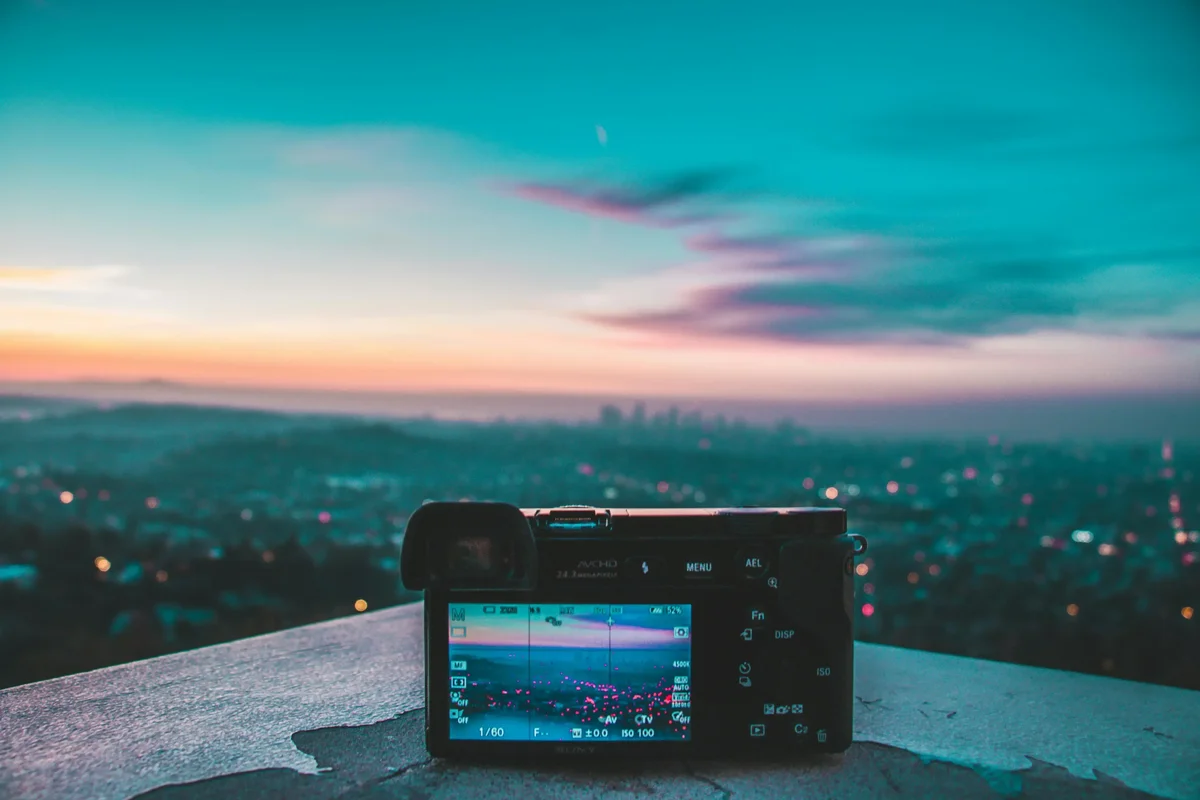
| Model | Best For | Weight | Type | Price |
|---|---|---|---|---|
| Sony A6700 | All-Rounder | 493g | Exchangeable Lens | Check Price → |
| Fujifilm X100VI | Street / City | 521g | Fixed Lens | Check Price → |
| OM System OM-5 | Landscape / Hike | 414g | Micro 4/3 | Check Price → |
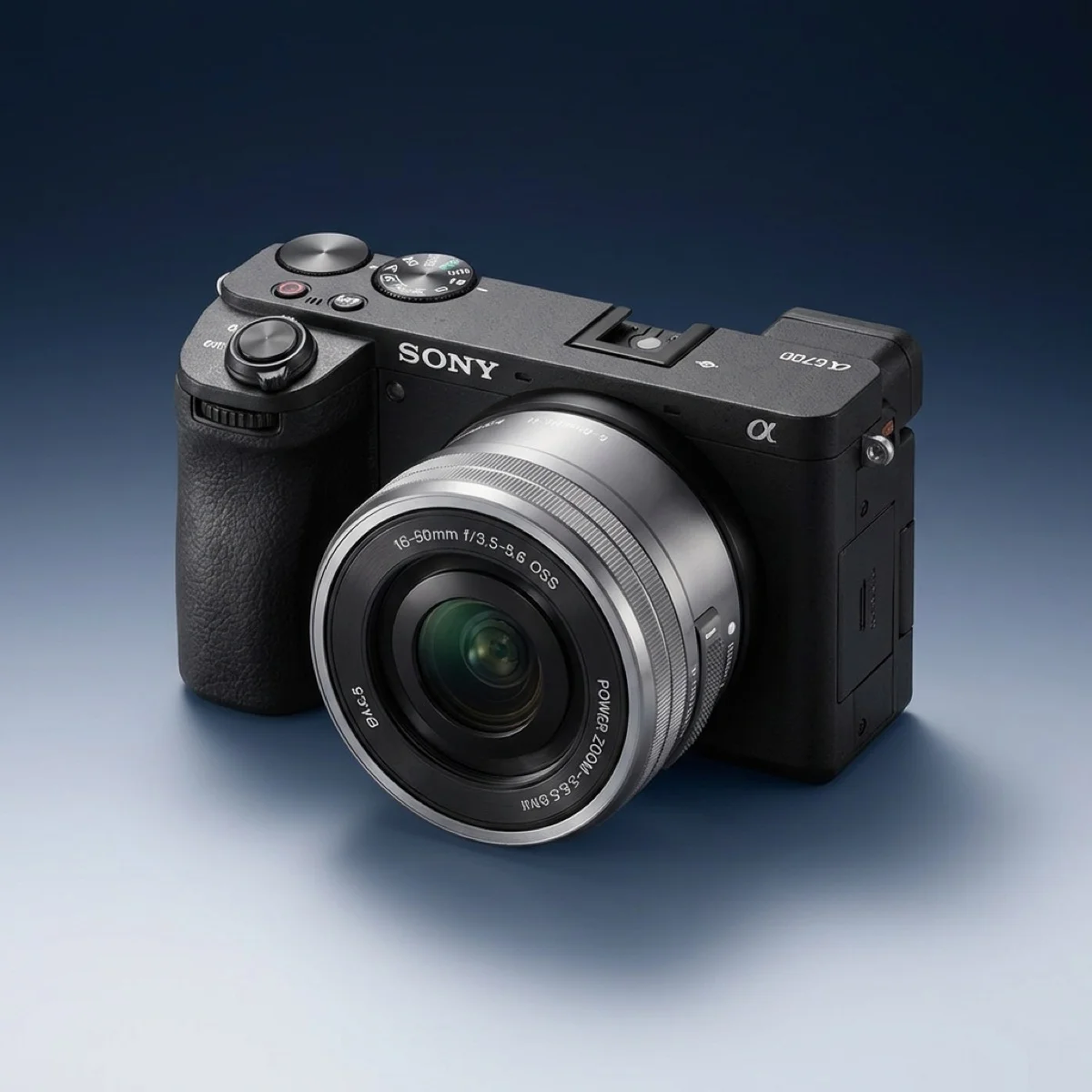
The A6700 is a travel powerhouse. It fits in a small sling bag but shares the AI-autofocus brain of Sony's $4,000 professional cameras. It tracks cars, trains, bugs, and humans instantly.
Pair it with the Sigma 18-50mm f/2.8 lens, and you have a kit that covers landscapes, portraits, and street photography while weighing less than a bottle of water.
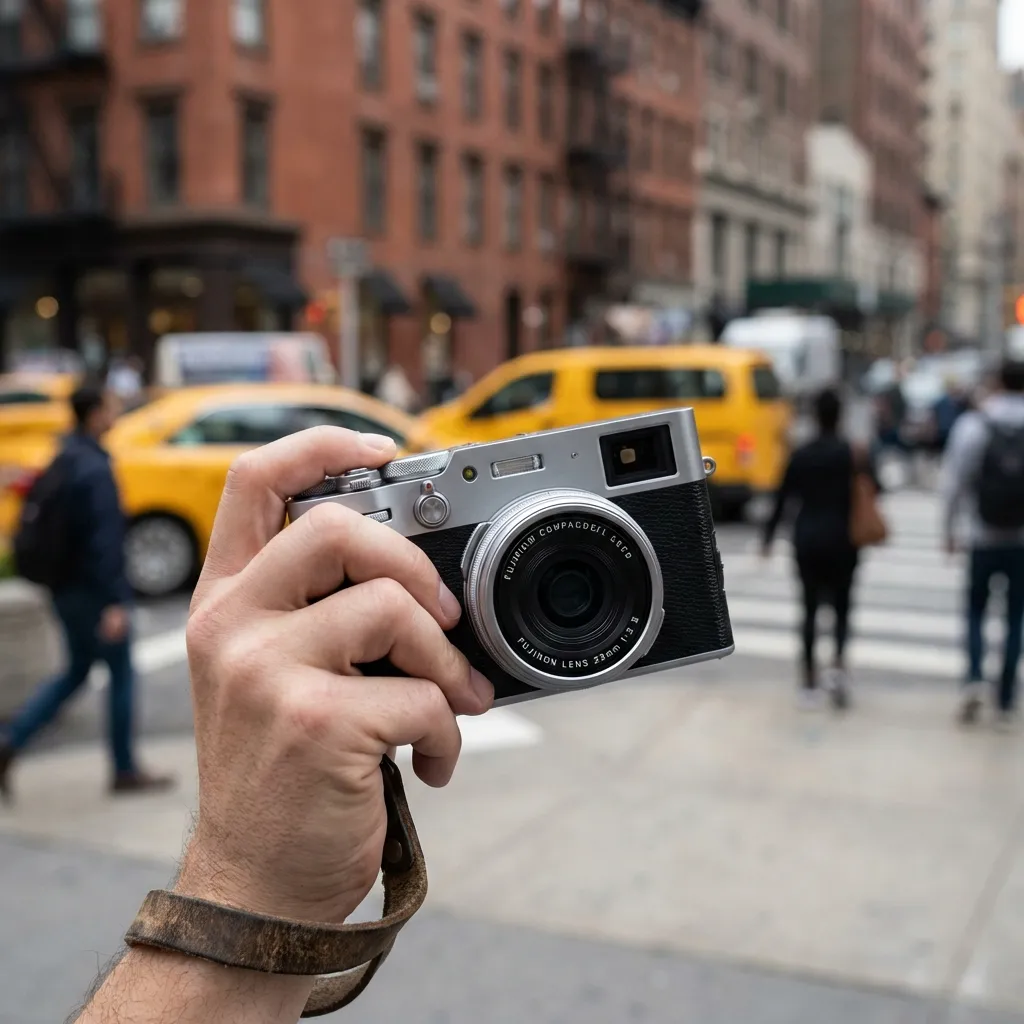
The viral sensation. The X100VI is a fixed-lens camera (you can’t change the lens), which forces you to be creative. It’s gorgeous, fun to use, and produces photos that look like memories rather than digital files.
The new 40MP sensor allows you to crop securely, giving you "digital zoom" versatility. It finally adds IBIS (Stabilization), making it viable for handheld night street shots and quick videos.
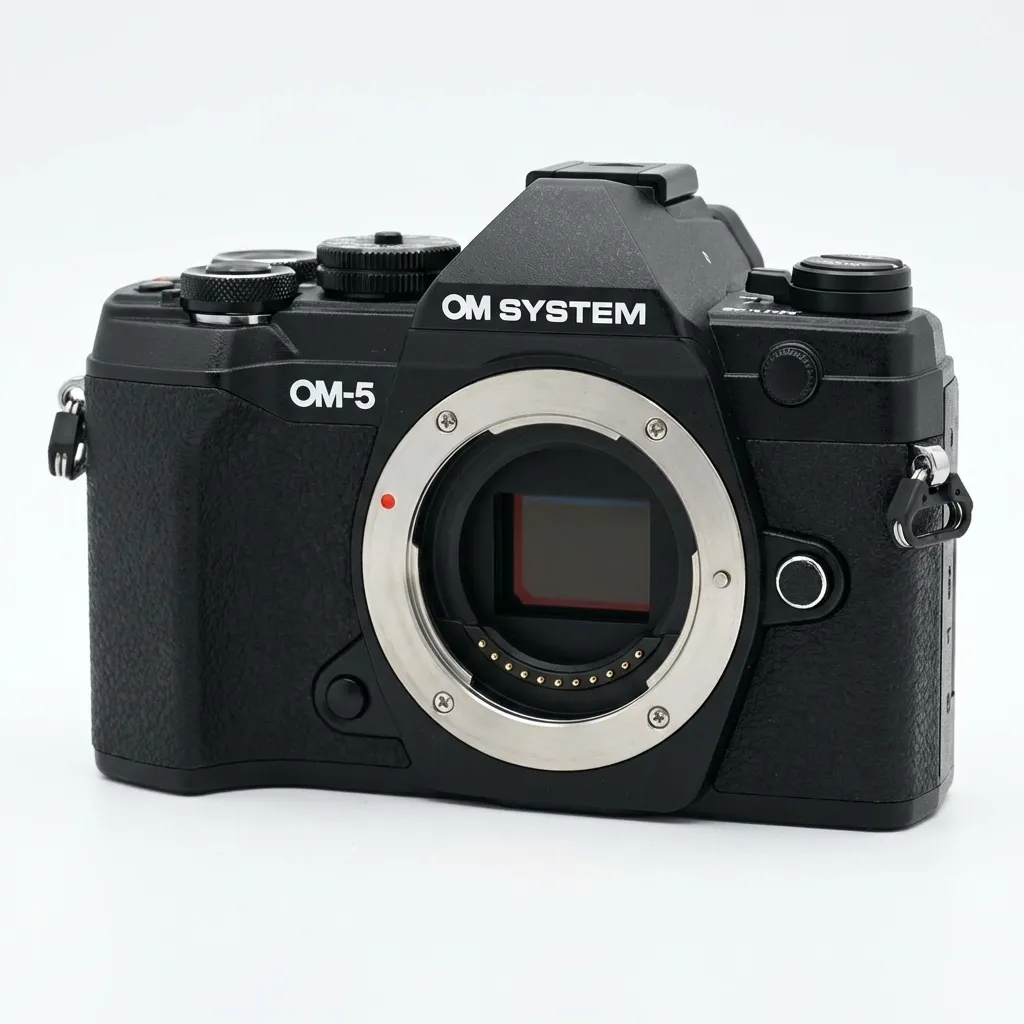
If you hike in rain, snow, or dust, get this. It has superior weather sealing (IP53 rated). The Micro Four Thirds sensor means the lenses are tiny. You can carry a telephoto lens that fits in your palm.
It features computational photography magic like "Live ND" (simulating long exposures without filters) and arguably the best image stabilization in the industry, letting you leave the tripod at home.
Try to travel with just one versatile zoom (like a 24-70mm equivalent). Changing lenses in a dusty market or windy beach is a recipe for dirty sensors.
SD cards fail. Bring a small SSD or use Wi-Fi to transfer your best shots to your phone every evening.

Our team of professional photographers and videographers has 10+ years of experience testing cameras. We buy our own gear and provide honest, unbiased reviews.
Learn more about our testing process →