
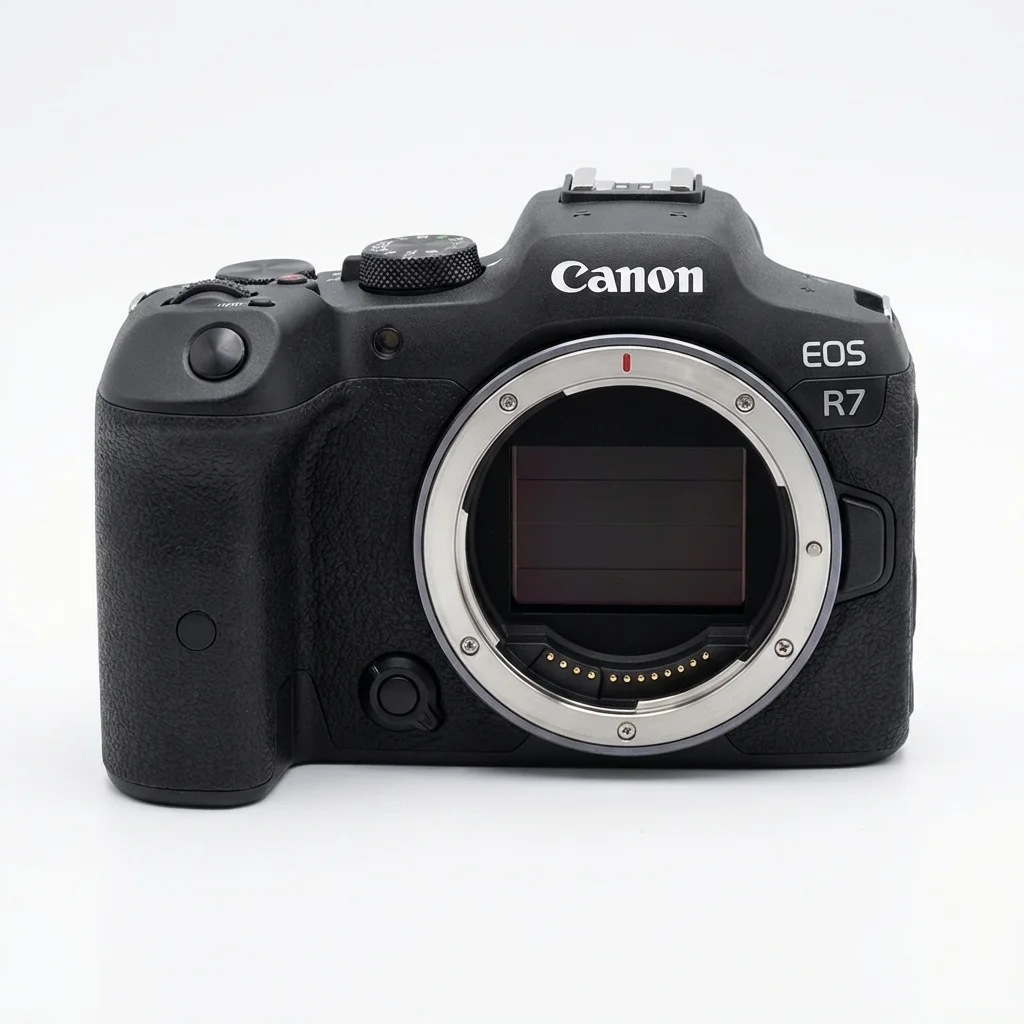
Canon EOS R7 Review
Canon's flagship APS-C mirrorless combines 32.5MP resolution with wildlife-grade autofocus and 15fps burst. Finally, an APS-C camera that competes with the pros.
🦅 Wildlife Champion
The Verdict
The Canon EOS R7 is the best APS-C camera for wildlife and sports photography. With 32.5MP resolution, 15fps mechanical burst, and Canon's legendary Dual Pixel AF, it delivers pro-level performance at a fraction of full-frame costs.
The 1.6x crop factor actually becomes an advantage for wildlife—a 400mm lens becomes 640mm effective. Combined with AI-powered animal detection and a deep buffer, this is a serious tool for action shooters.
| Imaging | |
|---|---|
| Sensor | 32.5MP APS-C CMOS |
| Processor | DIGIC X |
| Stabilization | 5-Axis IBIS (7 stops w/ lens IS) |
| ISO Range | 100-32,000 (exp. 51,200) |
| Autofocus | |
| AF System | Dual Pixel CMOS AF II |
| AF Points | 5,915 positions (651 zones) |
| Subject Detection | Human/Animal/Vehicle |
| Low Light AF | -5.0 EV |
| Speed | |
| Mechanical Burst | 15fps (full AF) |
| Electronic Burst | 30fps (e-shutter) |
| Buffer Depth | 78 RAW / 580+ JPEG |
| Video | |
| Max Resolution | 4K60 (no crop) / 4K30 oversampled |
| Internal Rec | 10-bit 4:2:2 C-Log 3 |
| Profiles | C-Log 3, HDR PQ, Canon Log |
| Build | |
| Body | Magnesium alloy, weather-sealed |
| Screen | 3.0" vari-angle touchscreen (1.62M-dot) |
| EVF | 2.36M-dot OLED (120fps refresh) |
| Card Slots | Dual SD (UHS-II) |
| Battery | LP-E6NH (770 shots CIPA) |
| Weight | 612g (body only) |
What We Like
- Class-leading autofocus (animal/bird detection is superb)
- Deep buffer with fast clearing (78 RAW frames)
- 15fps mechanical = no rolling shutter distortion
- 7-stop IS with coordinated lens stabilization
- 4K60 no crop with excellent quality
Trade-offs
- No full-frame option in Canon's RF-S lineup
- Rolling shutter visible at 30fps e-shutter
- High ISO noise above 6400 (APS-C limitation)
- Expensive for APS-C at $1,499 body only
Performance Breakdown
Autofocus Excellence
The EOS R7 inherits Canon's flagship autofocus system with 5,915 selectable AF positions. Animal detection is remarkably accurate—eyes, faces, and bodies of birds, cats, dogs, and even small mammals are tracked reliably. For bird photographers, this is the most affordable way to get Canon's best AF technology.
Subject tracking is tenacious. A flying bird will be tracked across the frame with 90%+ hit rates in good light. Focus acquisition works down to -5 EV, though accuracy drops in very dark scenes. For wildlife, sports, and events, the R7 delivers professional results.
Burst Speed & Buffer
15fps mechanical shooting is a game-changer for action. Unlike electronic shutter, there's zero rolling shutter distortion—critical for fast-moving subjects. The buffer holds 78 RAW files or 580+ JPEGs, clearing in about 15 seconds with a fast SD card.
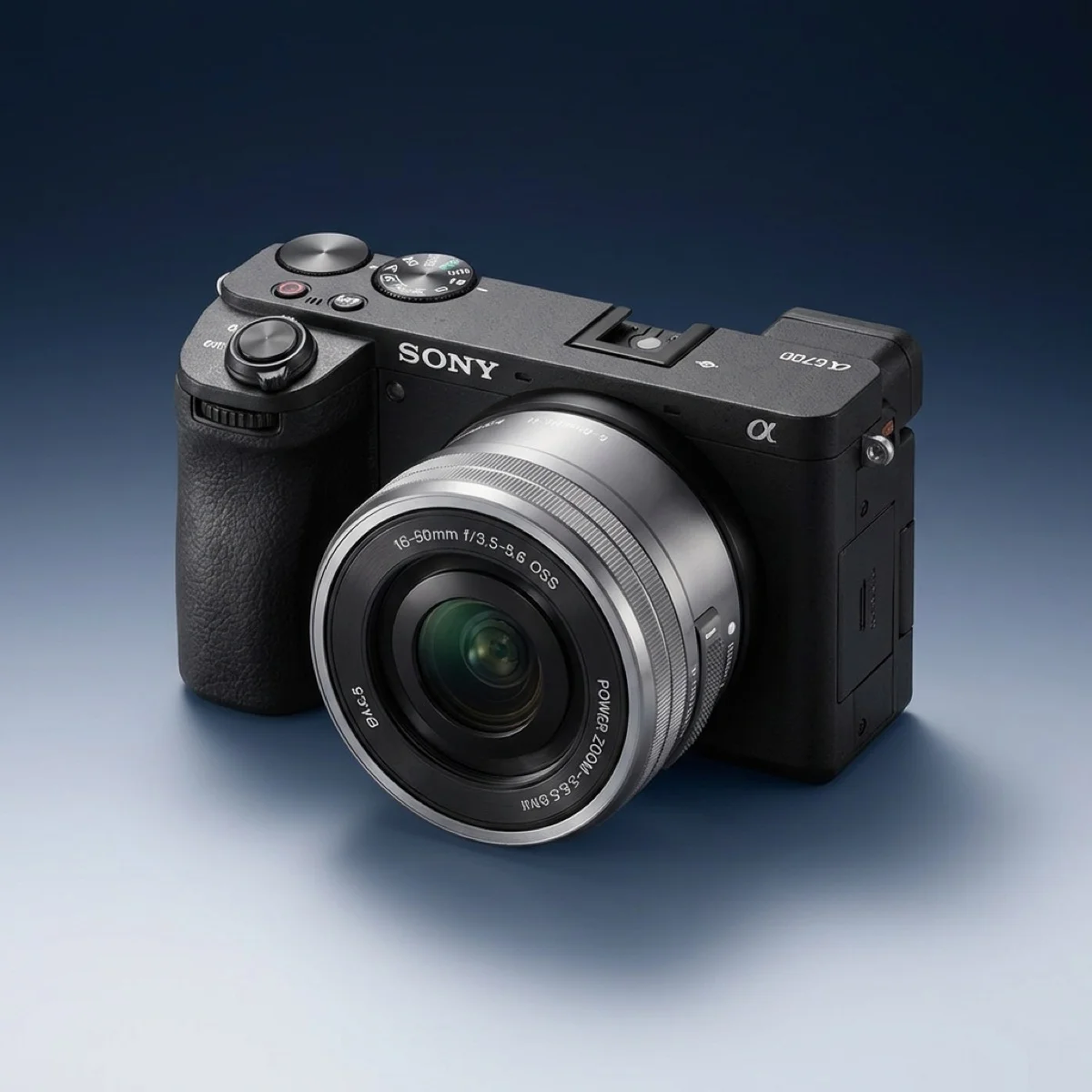
For comparison, the Sony A6700 shoots 11fps with similar buffer depth. The 4fps advantage matters for erratic wildlife movement. Combined with Canon's superior AF tracking, this creates a genuine action photography advantage.
Video Capabilities
4K60 recording uses the full sensor width with no crop—unusual for APS-C. 4K30 oversamples from 7K for exceptional detail. C-Log 3 provides 12+ stops of dynamic range for professional color grading. The coordinated IBIS + lens IS system delivers very smooth handheld footage.
Heat management is adequate: approximately 40 minutes at 4K60 in normal conditions. The vari-angle screen enables comfortable vlogging positions. For hybrid shooters who prioritize stills but want solid video, the R7 delivers.
Image Quality
32.5MP is the highest resolution in any current APS-C camera. Detail rendering is excellent, with files that crop well for wildlife composition. Dynamic range measures approximately 13 stops at base ISO—competitive for APS-C.
High ISO performance is respectable but shows APS-C limitations. ISO 6400 is usable for web and smaller prints; ISO 12,800 shows noticeable noise. For the cleanest files, stay at ISO 3200 or below. This is where full-frame still has an advantage.
Ideal Lenses
Canon RF 100-400mm f/5.6-8 IS USM
Lightweight 160-640mm equivalent reach. Perfect wildlife starter lens. Affordable at $649.
Canon RF 100-500mm f/4.5-7.1 L IS USM
Pro-grade 160-800mm equivalent reach. Exceptional optics, fast AF, 1.4kg. The wildlife workhorse.
Canon RF-S 18-150mm f/3.5-6.3 IS STM
All-in-one travel lens. Versatile 29-240mm equivalent. Lightweight and affordable kit companion.
How It Compares
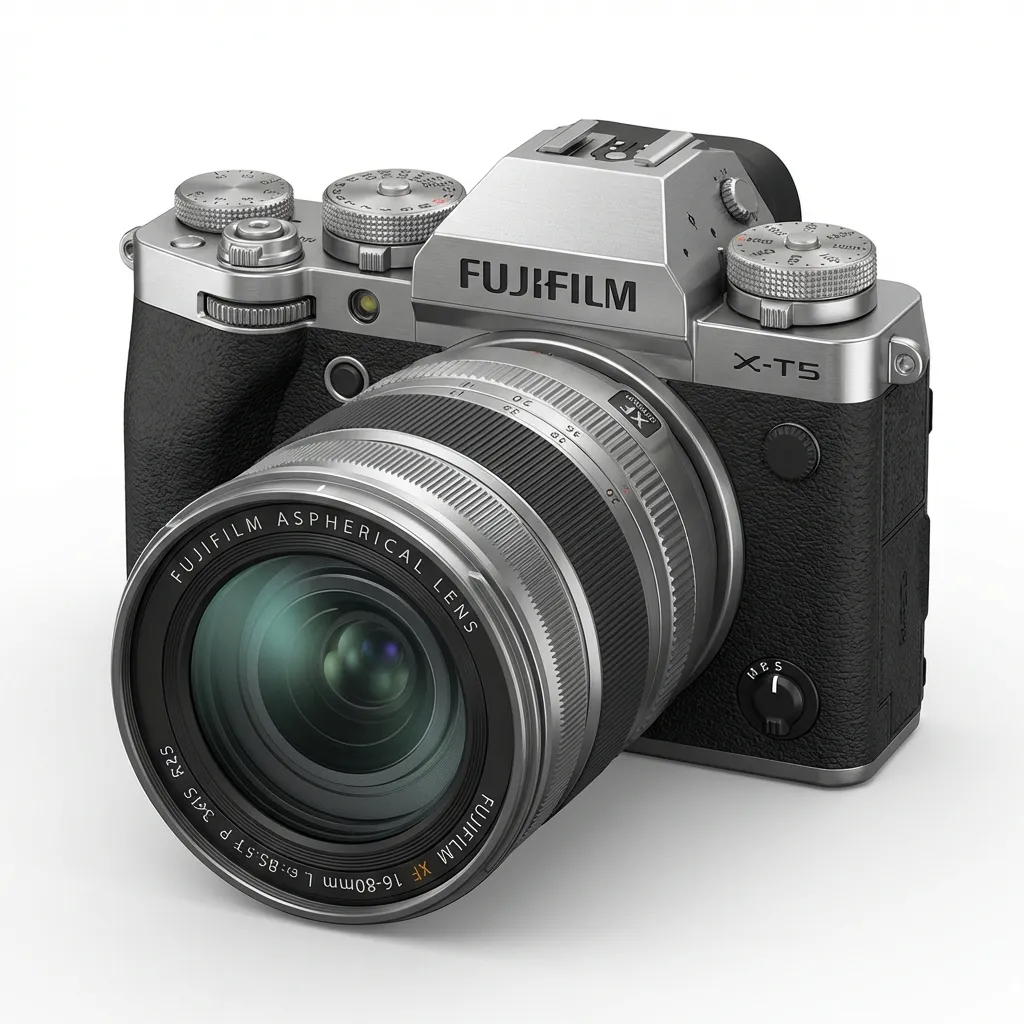
| Spec | Canon EOS R7 ★ | Sony A6700 | Fujifilm X-T5 |
|---|---|---|---|
| Price | $1,499 | $1,398 | $1,699 |
| Sensor | 32.5MP APS-C | 26MP APS-C | 40MP APS-C |
| Video | 4K60 | 4K120 | 6.2K |
| AF Points | 651 zones | 759 points | 425 points |
| Burst | 15 fps | 11 fps | 15 fps |
| IBIS | 7 stops | 5 stops | 7 stops |
Recommended Accessories
Essential gear to maximize your Canon EOS R7 experience:
Memory Card
SanDisk Extreme PRO 256GB V60
Fast enough for 15fps RAW bursts with buffer clearing.
Battery
Canon LP-E6NH (2-Pack)
Official Canon batteries for reliable all-day shooting.
Lens
Canon RF 100-400mm f/5.6-8
The perfect lightweight wildlife starter lens for R7.
Tripod
Benro Tortoise 24CLV
Carbon fiber with video head. Great for wildlife hides.
Frequently Asked Questions
The R7 is arguably the best APS-C camera for bird photography. The animal/bird eye AF is exceptional, 15fps mechanical eliminates rolling shutter on fast wings, and the 1.6x crop extends lens reach significantly. Pair it with the RF 100-500mm for a powerful 160-800mm equivalent system.
For wildlife and sports: R7 wins with faster burst (15fps vs 11fps), deeper buffer, and superior lens reach options. For video: A6700 wins with 4K120 and better low-light performance. Both have excellent AF. Choose based on your primary use case.
Yes, with Canon's EF-EOS R adapter. All EF and EF-S lenses work with full autofocus. Many wildlife photographers use older EF 100-400mm II or 400mm f/5.6L with excellent results. This makes the R7 a great upgrade path for EF shooters.
Yes, the R7 has extensive weather sealing comparable to Canon's full-frame cameras. It handles light rain and dusty conditions well. For heavy rain, a rain cover is still recommended, especially if using non-L lenses with less sealing.
Related Reviews


Written by cameraupick Editorial Team
Our team of professional photographers and videographers has 10+ years of experience testing cameras. We buy our own gear and provide honest, unbiased reviews.
Learn more about our testing process →