
1. Autofocus is King
Don't look at megapixels first. Look at autofocus. A camera that can automatically lock onto an eye (Eye-AF) ensures your portraits are sharp 99% of the time, letting you focus on composition.
We tested 15+ entry-level cameras to find the ones that make learning photography easy, fun, and affordable.

| Model | Best For | Key Strength | Price |
|---|---|---|---|
| Sony ZV-E10 II | Overall | Class-leading Autofocus | ~$998 |
| Canon EOS R50 | Ease of Use | Simple Menus & Colors | ~$679 |
| Fujifilm X-T50 | Style / Film Sims | Built-in IBIS + 40MP | ~$1,399 |
| Nikon Z30 | Budget Vlogging | Affordable + Great AF | ~$709 |
| Nikon Z fc | Retro Design | Beautiful + EVF | ~$959 |
| Canon EOS R100 | Ultra Budget | Cheapest EVF option | ~$479 |
| Panasonic G100D | Tiny + Portable | Smallest Kit | ~$598 |
| Sony A6400 | Best Used Buy | Proven Performer | ~$750 used |
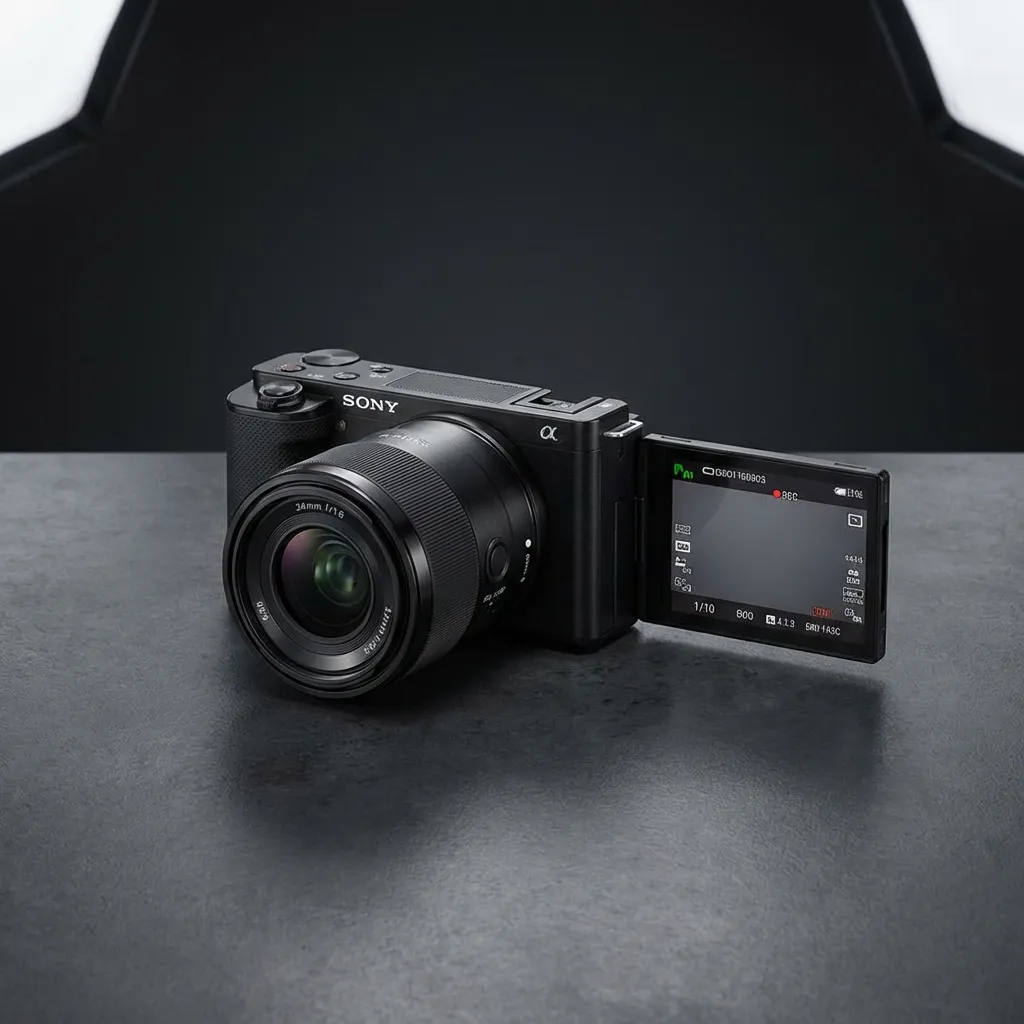
The original ZV-E10 was a bestseller, but the Mark II takes it to another level. It borrows the sensor and autofocus system from the high-end A6700, meaning you get pro-level tracking in a beginner body.
It's technically "vlog-first" (no viewfinder), but don't let that fool you. For learning photography, the touch interface is intuitive, and the lens selection (E-mount) is the biggest and most affordable in the world.
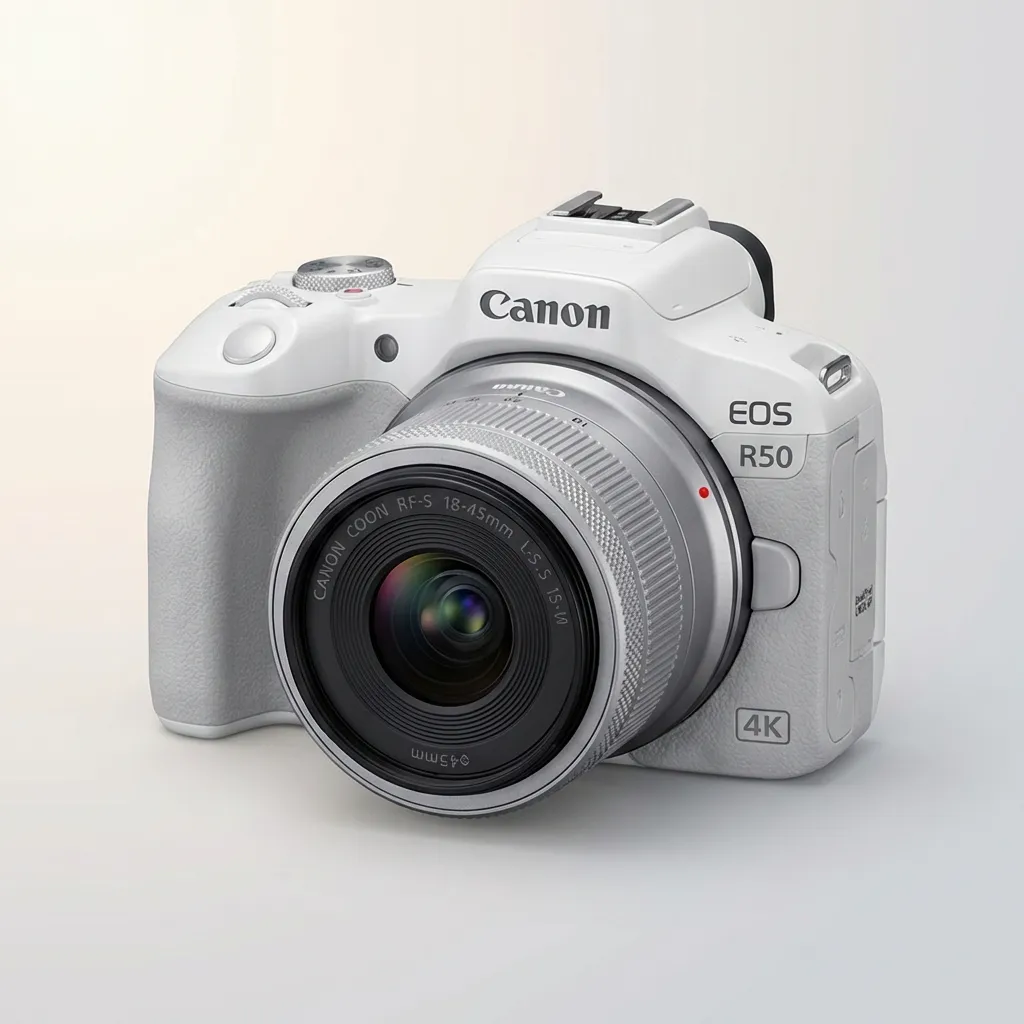
If the Sony sounds too complicated, get the Canon R50. It’s designed specifically for smartphone converts. The "Creative Assist" mode explains tech terms in plain English (e.g., "Background Blur" instead of "Aperture").
It has a viewfinder (great for sunny days) and produces those famous, pleasing Canon skin tones straight out of the camera. It's tiny, cute, and powerful enough to grow with you for years.
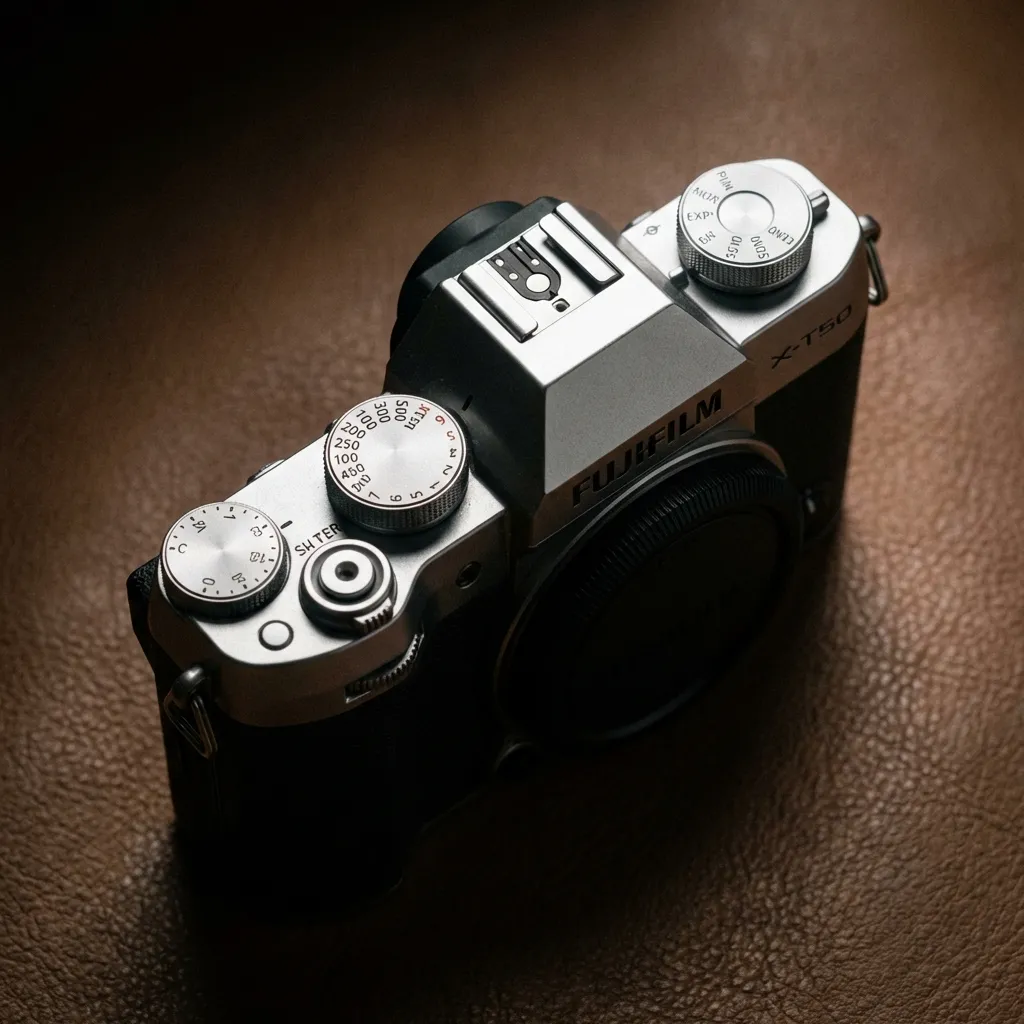
Photography should be inspiring, and the X-T50 is the most inspiring camera on this list. With dedicated dials for Film Simulations, you can switch between "Kodak Gold" or "Classic Chrome" looks instantly.
It packs the same high-res 40MP sensor as the pro X-T5. It costs more than the others, but you save time (and money) on editing because the photos look finished the moment you click the shutter.
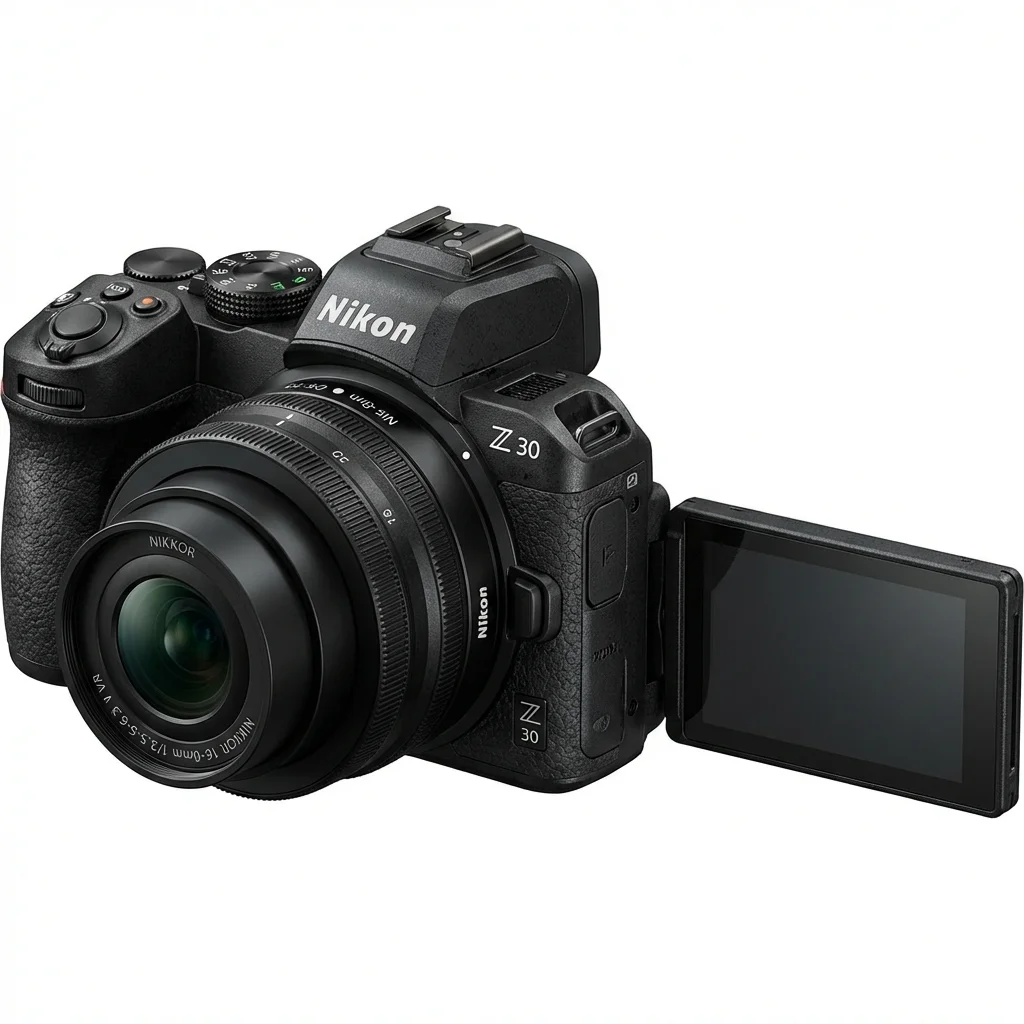
Nikon's answer to the ZV-E10. It skips the viewfinder to keep costs down but delivers excellent eye-tracking autofocus and a vari-angle screen perfect for vloggers.
Nikon's colors are natural and flattering for skin tones. At $709, it's a fantastic entry to the Z-mount ecosystem with great upgrade paths.
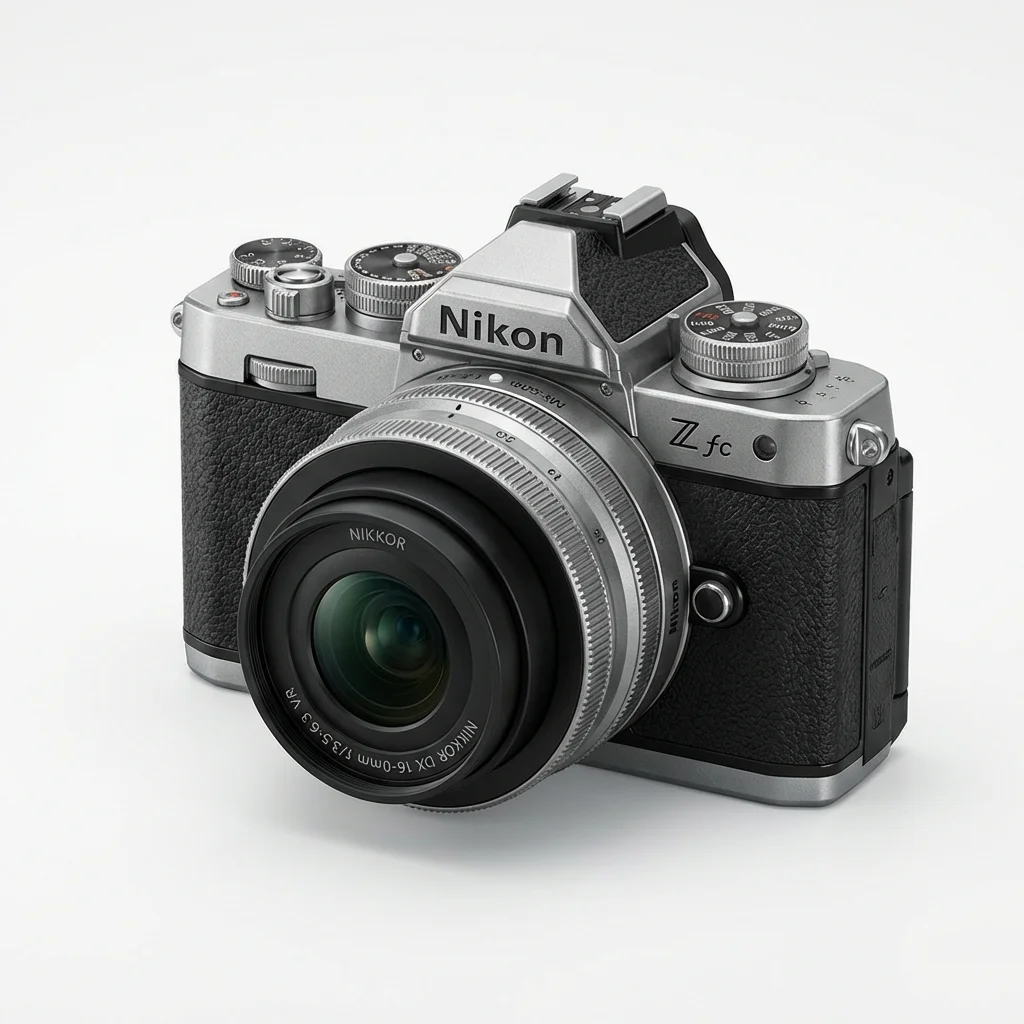
The most beautiful camera you can buy. Nikon recreated their legendary FM2 film camera with modern mirrorless tech inside. It comes in six stunning colors.
Same sensor and AF as Z30/Z50, but with heritage dials and a built-in EVF. The manual controls teach you photography fundamentals through muscle memory.
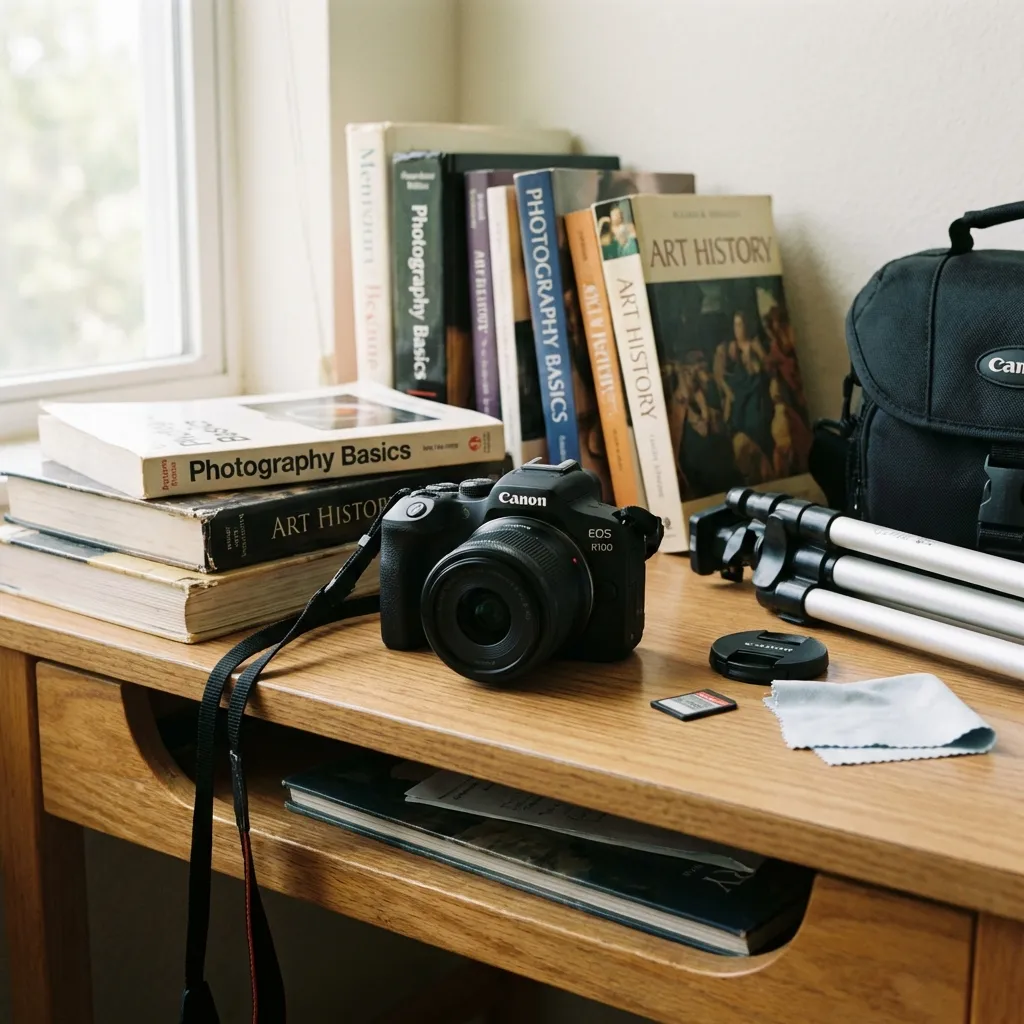
The cheapest mirrorless camera with a viewfinder you can buy. Canon stripped away fancy features to focus on image quality. Same sensor as $1,000+ Canon bodies.
No touchscreen, no flip screen - but if you strictly want to learn photography without distractions, the R100 delivers.
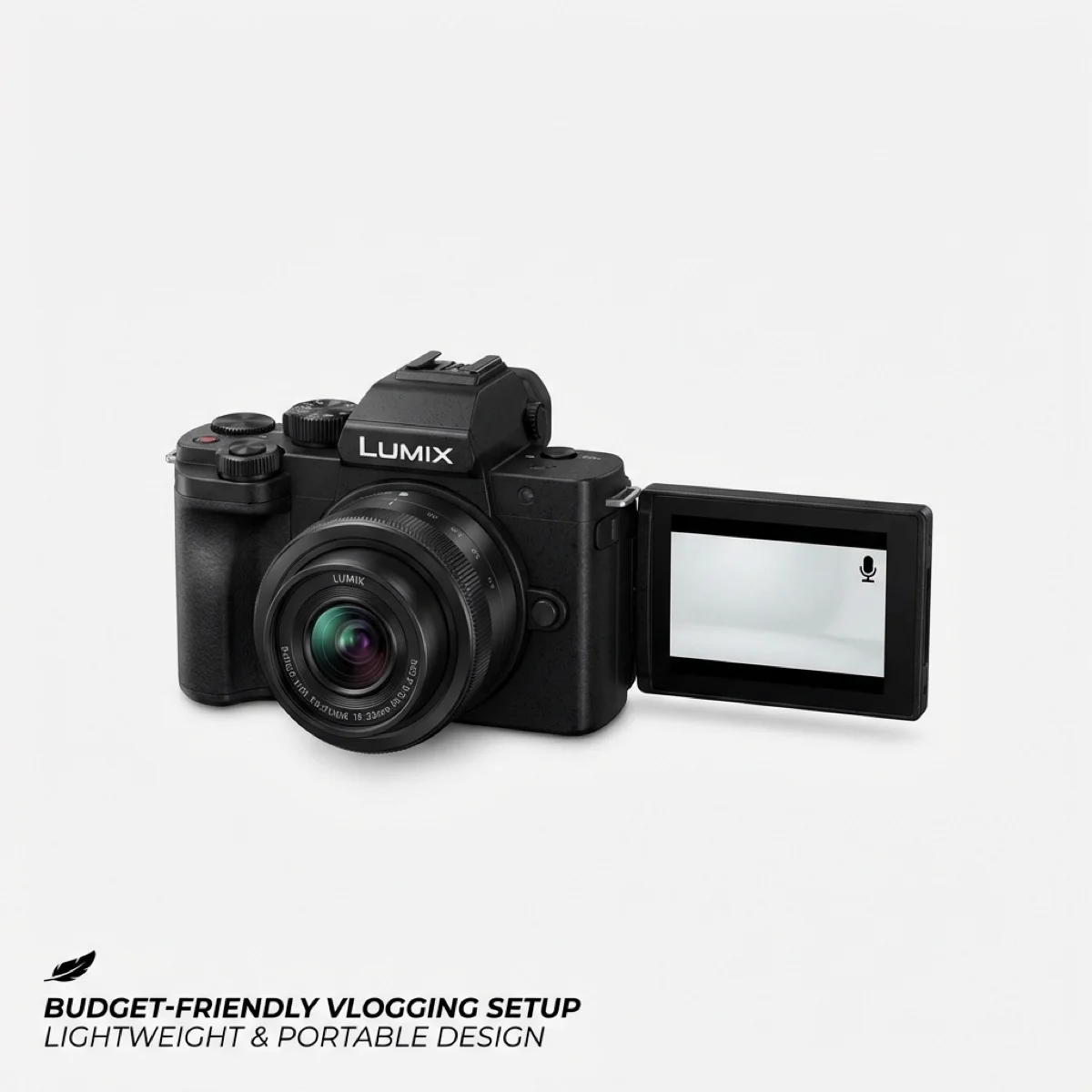
The tiniest interchangeable lens camera you can buy. Micro Four Thirds means both the body AND lenses are compact. Perfect for travel vloggers who hate carrying gear.
Features Nokia OZO spatial audio that focuses on whoever is speaking. High-res EVF for sunny outdoor shooting.
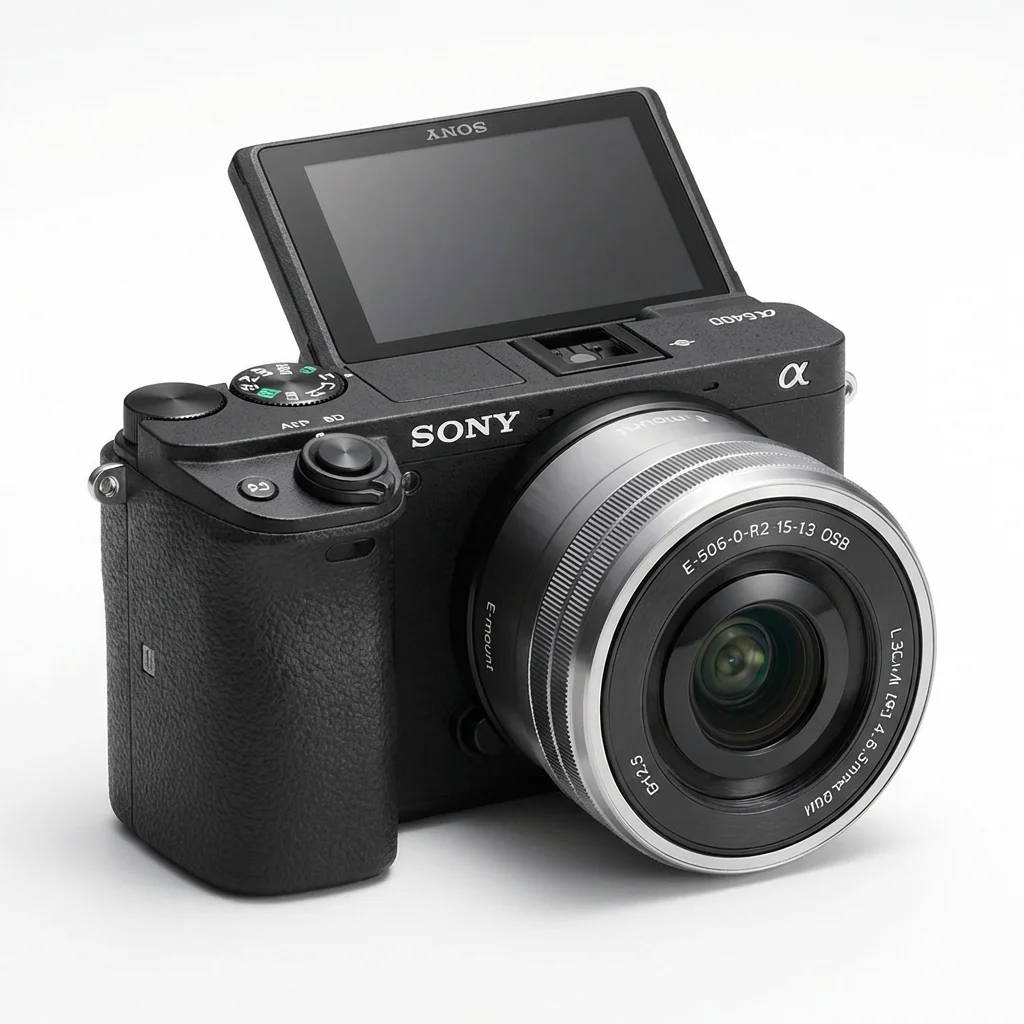
The predecessor to the A6600/A6700 is an incredible used value. It has Sony's legendary real-time eye tracking, a built-in EVF, and access to the huge E-mount lens library.
Used prices have dropped to $700-800 since newer models launched. Still outperforms many new cameras in autofocus reliability.
Don't look at megapixels first. Look at autofocus. A camera that can automatically lock onto an eye (Eye-AF) ensures your portraits are sharp 99% of the time, letting you focus on composition.
A camera body is only as good as its lenses. Sony (E-mount) has the most cheap functionality options. Canon (RF) is great but proprietary/expensive. Fuji (X-mount) is excellent for primes.
If you shoot outdoors in bright sun, you NEED a viewfinder (EVF) like on the Canon R50 or Fuji X-T50. If you mostly shoot video or indoors, a screen-only camera like the ZV-E10 II is fine.
Canon EOS R50 is the best choice for complete beginners. It has the most intuitive interface with "Creative Assist" mode that explains settings in plain English, excellent straight-out-of-camera colors, and a viewfinder for sunny outdoor shooting.
No, full-frame is unnecessary for beginners. APS-C cameras like the Sony ZV-E10 II, Canon R50, and Fujifilm X-T50 are lighter, cheaper, and have smaller lenses. They produce professional-quality results. Save full-frame for when you have specific needs like extreme low-light performance.
Buy the kit lens version. Kit lenses (usually 16-50mm or 18-55mm) are affordable, lightweight, and perfect for learning. They cover the most useful focal lengths and let you discover what type of photography you enjoy before investing in specialized lenses.
24MP is plenty for beginners. It allows large prints up to 20×30 inches and gives room to crop. More megapixels (like Fujifilm X-T50's 40MP) are nice but not necessary. Prioritize autofocus performance and ease of use over megapixel count.
We buy our own gear or rent it. No manufacturers paid for these spots. We earn a commission if you use our links, which keeps this site ad-free.

Our team of professional photographers and videographers has 10+ years of experience testing cameras. We buy our own gear and provide honest, unbiased reviews.
Learn more about our testing process →