
Dual cards are non-negotiable
A single card failure on a wedding day is a career-ending event. Always record to both cards simultaneously. This eliminates the single point of failure.
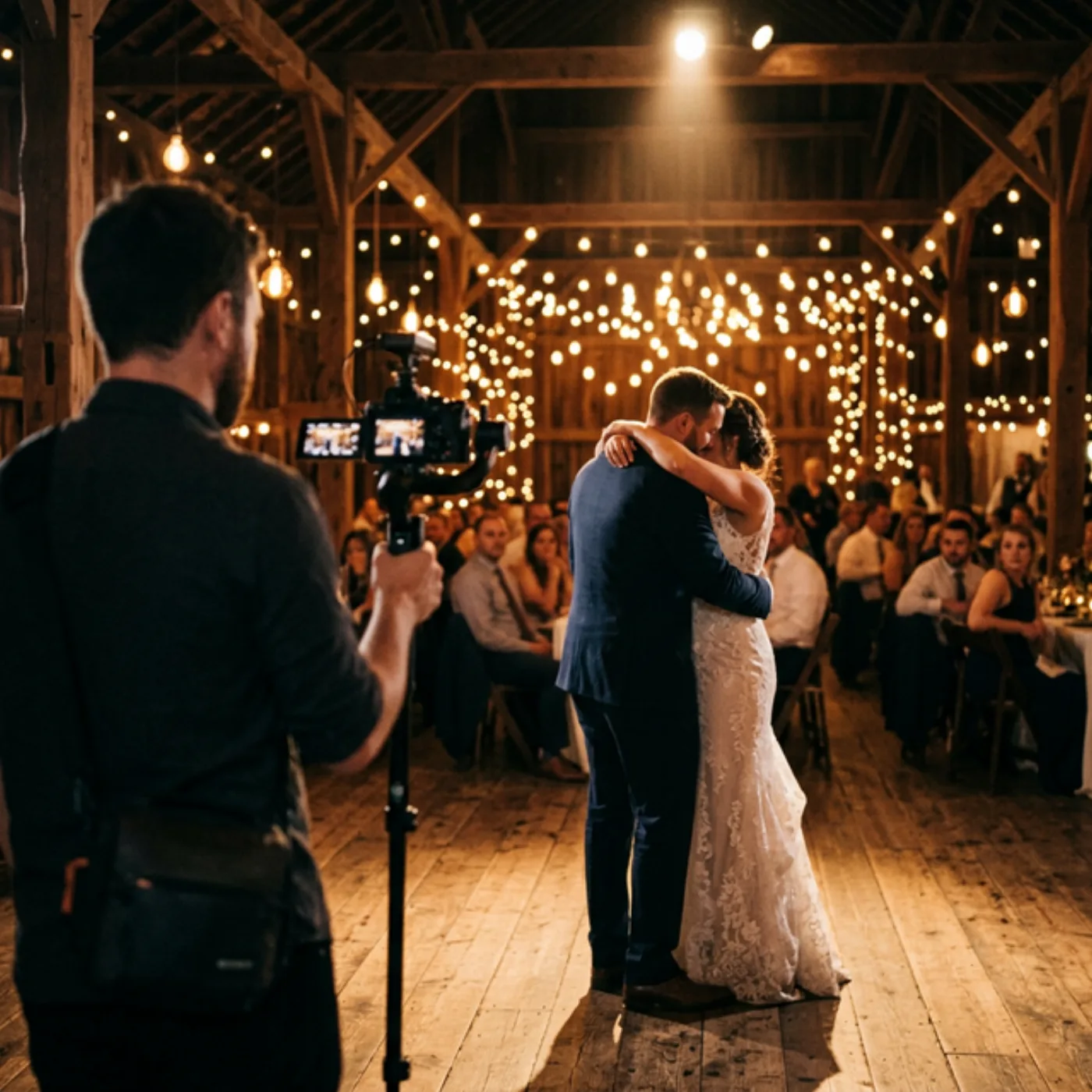
Wedding shoots are high-pressure, no-second-chance environments. The best camera isn't about specs — it's about autofocus you can trust in dim churches, dual cards for data safety, and a codec workflow that gets your edit delivered on deadline.
| Model | Sensor | Best For | Dual Cards | Price |
|---|---|---|---|---|
| Sony A7 IV | Full-Frame | Best Overall | ✓ SD + CFe | ~$2,498 |
| Canon R6 III | Full-Frame | Fastest AF | ✓ SD + SD | ~$2,499 |
| Panasonic S5 II | Full-Frame | Best Value Pro | ✓ SD + SD | ~$1,998 |
| Nikon Z6 III | Full-Frame | Pro Hybrid | ✓ SD + CFe | ~$2,497 |
| Sony A7C II | Full-Frame | Lightweight B-Cam | ✗ Single | ~$2,198 |

The industry workhorse for wedding video. Face/eye AF holds focus in candlelit churches and dimly lit reception halls. The dual card slots (SD + CFexpress) provide essential recording redundancy — you write to both cards simultaneously so a single card failure can never destroy irreplaceable footage.
The E-mount ecosystem gives you access to every focal length you need: Tamron 28-75mm f/2.8 for ceremony, Sony 70-200mm f/2.8 GM for speeches, and Sigma 35mm f/1.4 for beauty shots. 4K60 10-bit in S-Log3 provides cinema-grade color grading flexibility.
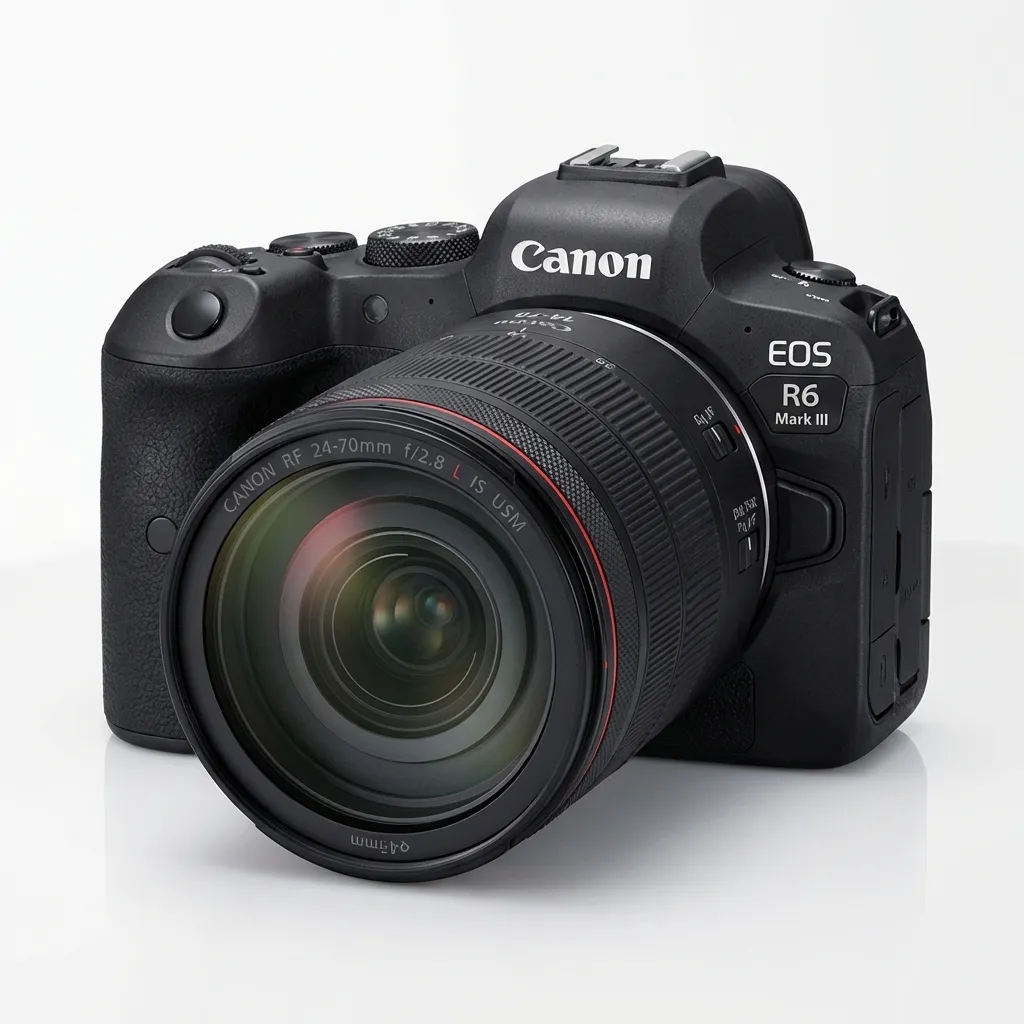
Canon's latest generation has the fastest autofocus in the industry — it locks onto subjects in conditions where other cameras hunt. For chaotic wedding receptions and fast-moving dance floors, this AF reliability is a game-changer.
The stacked sensor eliminates rolling shutter, so whip pans and quick movements look clean. ISO performance is excellent up to 12,800, making it ideal for dimly lit venues. Dual SD card slots provide redundancy.
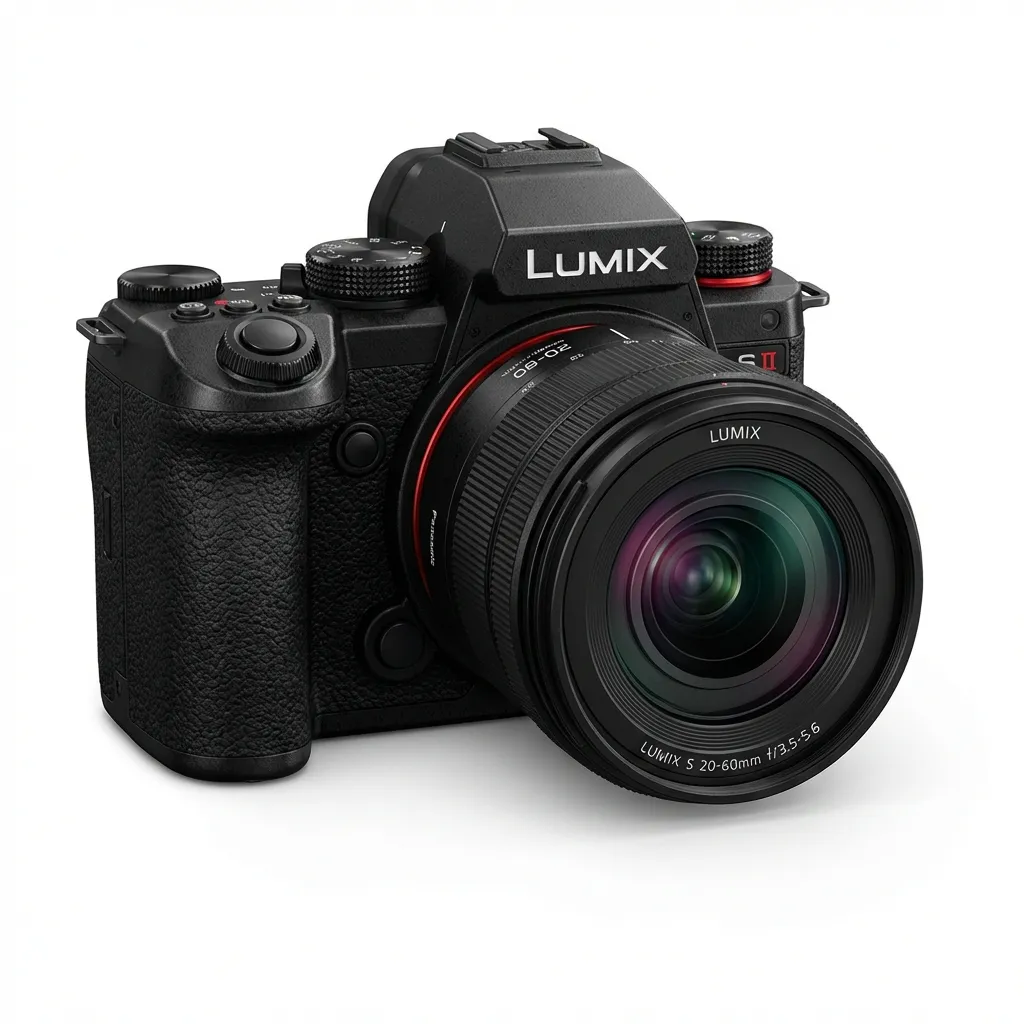
The best full-frame wedding video value on the market. Class-leading IBIS smooths out handheld ceremony footage, unlimited recording means no file-split anxiety, and 10-bit 4:2:2 codecs give you serious color grading headroom.
Dual SD card slots provide backup. The Sigma 24-70mm f/2.8 Art on L-mount covers 80% of wedding needs at a fraction of Sony/Canon prices. The trade-off is slightly slower AF than Sony — but it's reliable enough for most wedding scenarios.
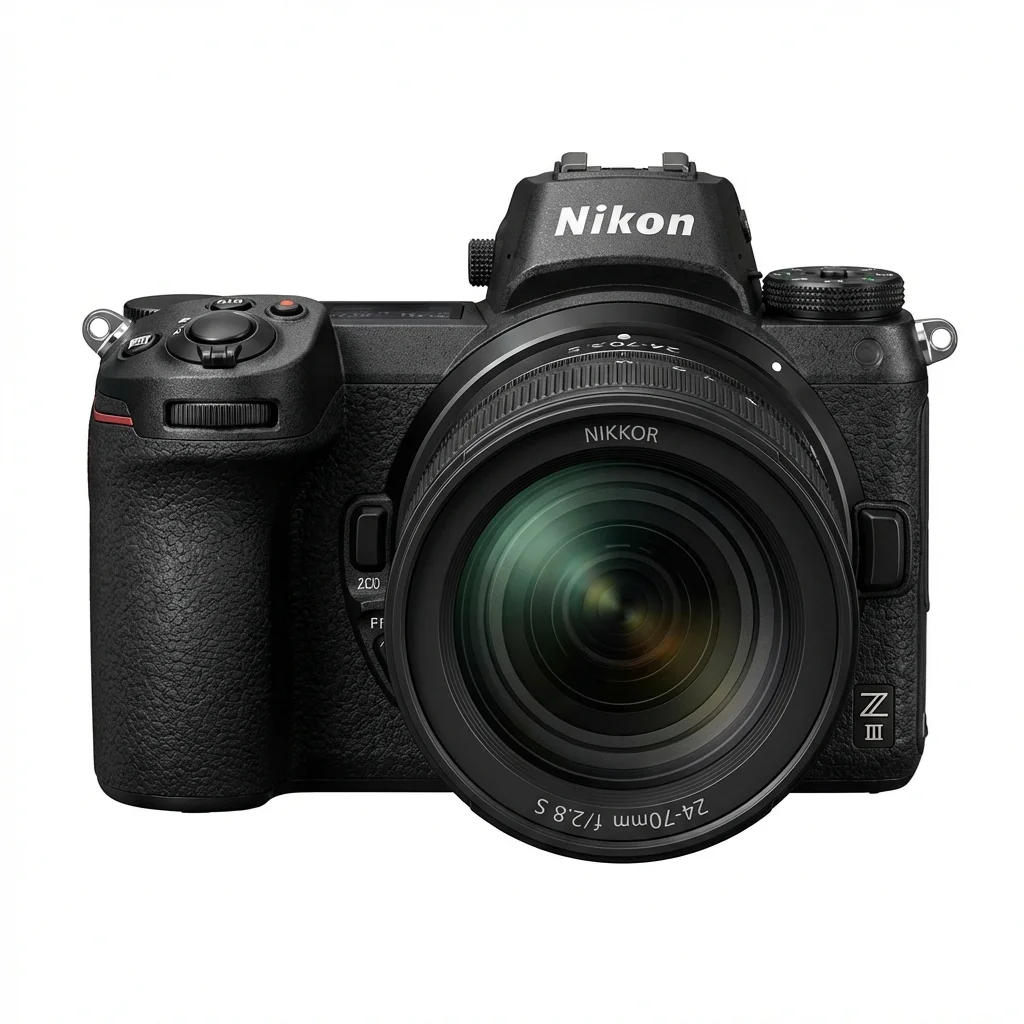
The Z6 III brings internal N-RAW recording and a partially stacked sensor to the wedding market. For videographers who deliver high-end cinematic wedding films and need maximum color grading flexibility, N-RAW gives you DR and detail that no compressed codec can match.
Nikon's skin tone rendering is naturally flattering — brides look great without heavy retouching. The robust weather-sealed body handles outdoor ceremonies in any weather. Dual card slots (SD + CFexpress) provide backup.
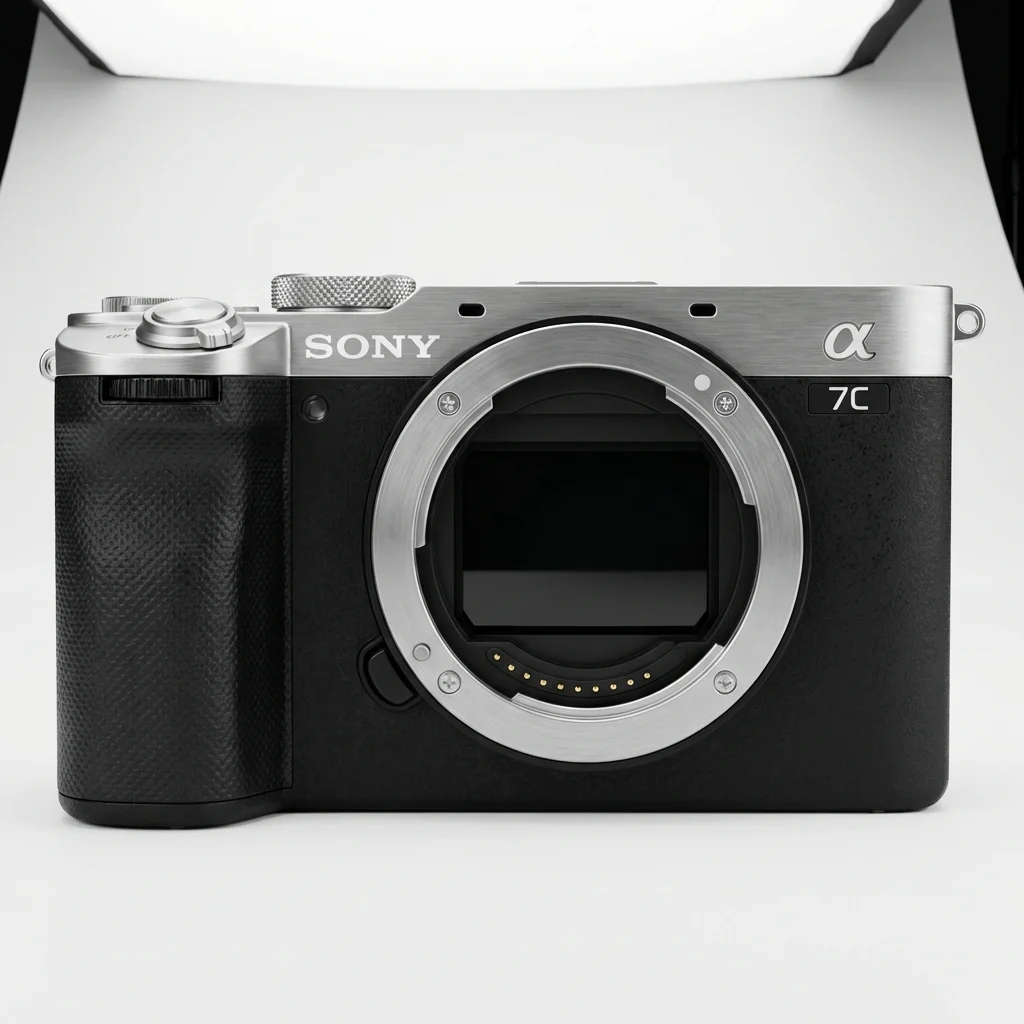
The ideal lightweight second or third camera for wedding kits. Same 33MP sensor and AI autofocus as the A7 IV in a body you can carry all day without fatigue. Perfect for roaming B-roll during preparations and reception.
Shares the same E-mount lenses, batteries, and memory cards as the A7 IV — streamlining your kit. S-Cinetone profile makes it easy to match color between your A and B cameras in post.
A single card failure on a wedding day is a career-ending event. Always record to both cards simultaneously. This eliminates the single point of failure.
Your main camera could fail. Having a second body with a different focal length also gives you multi-angle coverage during ceremony — no retakes available.
Record vows and speeches with a dedicated audio recorder (Zoom H6 or similar) connected to a wireless receiver. Camera audio is backup only — never primary.
Sony A7 IV is our top pick for wedding videography. It has reliable face/eye autofocus in low light, dual card slots for data safety, long battery life, and a massive lens ecosystem covering 24-200mm.
At minimum two camera bodies for redundancy and multi-angle coverage during ceremony and speeches. Many professionals run three: wide ceremony, close-up details, and a roaming B-cam.
It's useful for dramatic slow-motion moments (first dance, ring exchange), but not mandatory. Reliable 4K24/30 with good autofocus and low-light performance matters far more for paid wedding work.
Autofocus reliability in low light. You cannot reshoot vows or first dance. A camera that hunts or loses focus during key moments can ruin irreplaceable footage. Dual card slots are the second most important feature.

We test cameras in real event conditions: low-light reception halls, outdoor ceremonies, and multi-hour continuous recording.
Learn more about our testing process →We buy or rent our own equipment. No manufacturer paid for this guide. We earn a commission when you use our affiliate links, which keeps this site ad-free.