
Autofocus > megapixels
A sharp 24MP file in focus beats a 45MP miss every time. Prioritize cameras with reliable animal/bird eye tracking. This is the #1 keeper-rate multiplier in the field.
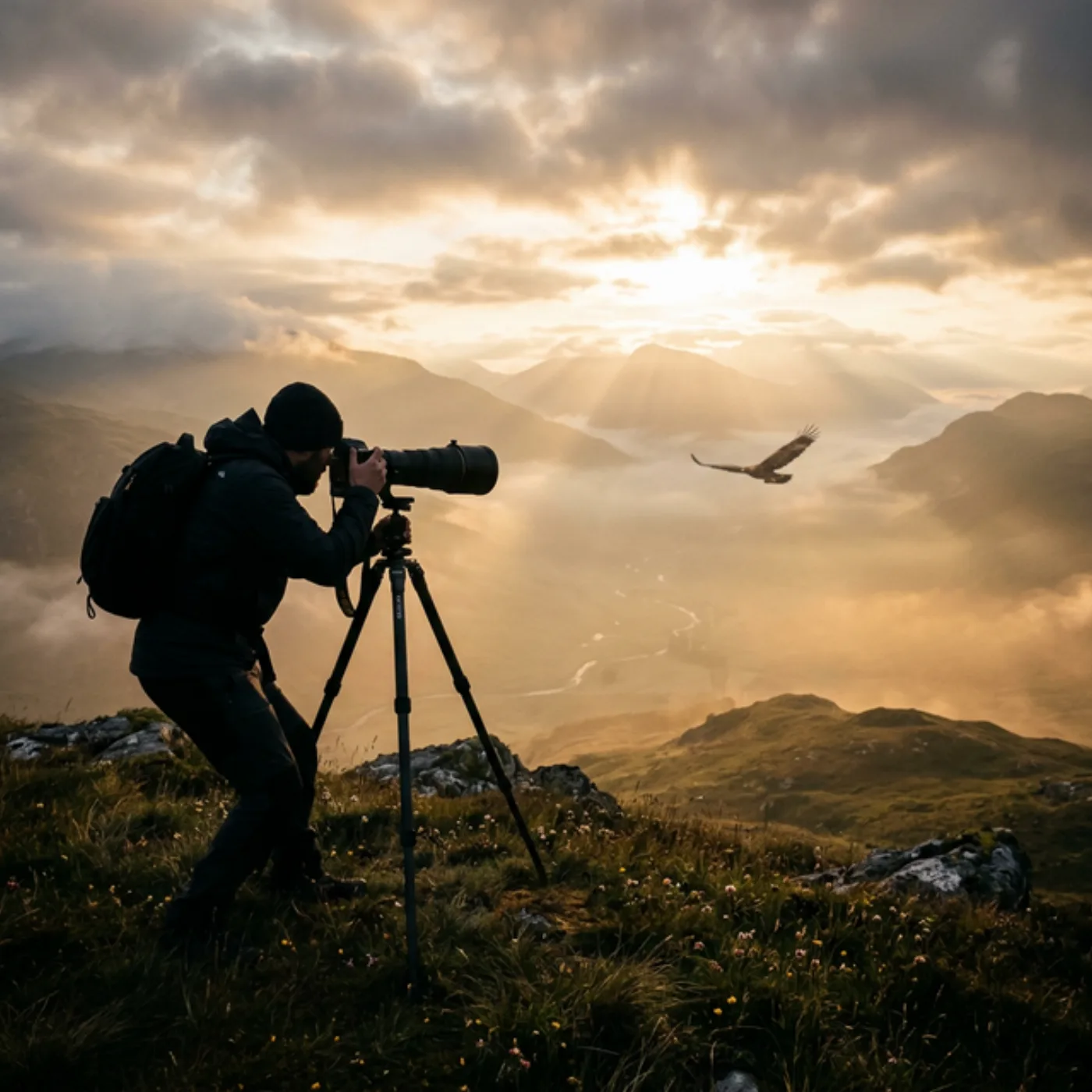
Wildlife photography is a speed and reach game: autofocus lock on unpredictable subjects, burst reliability to capture the decisive moment, and enough telephoto reach to fill the frame from a safe distance. These are the cameras that deliver the most keepers in real field conditions.
| Model | Sensor | Best For | Burst | Price |
|---|---|---|---|---|
| Nikon Z8 | Full-Frame | No Compromise | 20fps RAW | ~$3,997 |
| Canon EOS R7 | APS-C | Best Value Reach | 15fps mech / 30fps e-shutter | ~$1,499 |
| Nikon Z6 III | Full-Frame | Hybrid Pro | 14fps RAW | ~$2,497 |
| Sony A6700 | APS-C | Compact + AI AF | 11fps mech | ~$1,398 |
| OM System OM-1 II | M4/3 | Maximum Reach | 50fps AI burst | ~$2,199 |
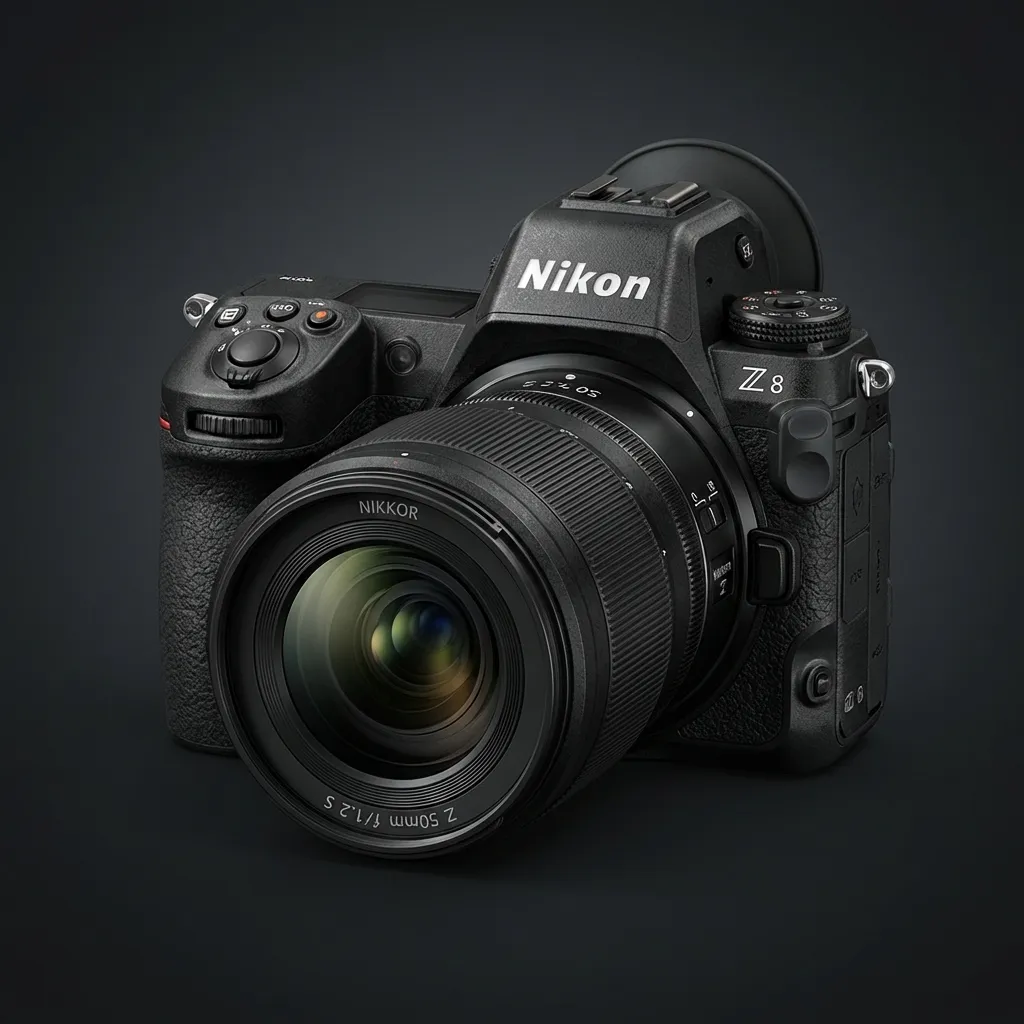
The Z8 is a Z9 in a smaller body — 45.7MP stacked sensor, 20fps RAW with zero blackout, and 3D tracking that locks onto birds in flight and refuses to let go. The deep buffer stores hundreds of RAW frames without slowing down.
The Z-mount telephoto lineup is strong: the Nikkor Z 100-400mm f/4.5-5.6 VR S is sharp and relatively compact, and the 800mm f/6.3 PF is the lightest super-telephoto on the market. Weather sealing handles field conditions.
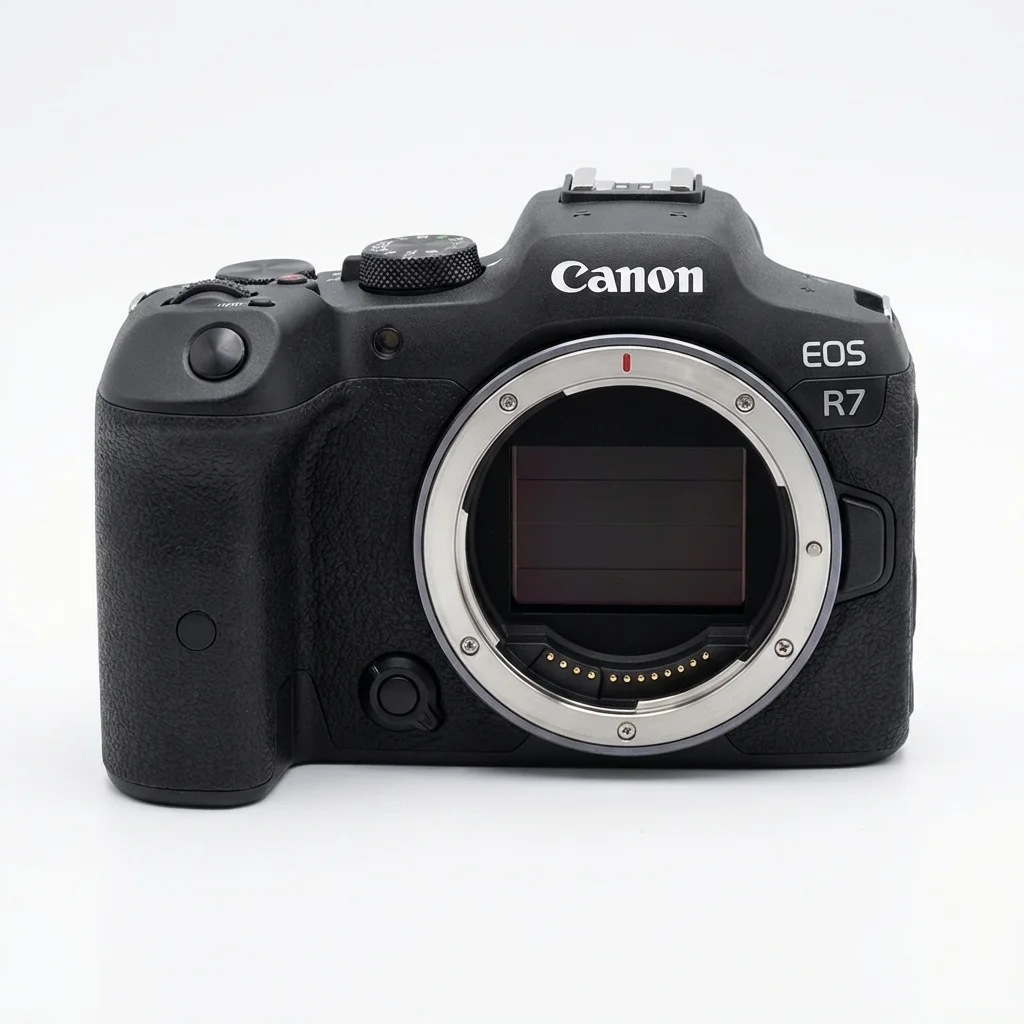
The R7 is the best wildlife camera for most budgets. The 1.6x APS-C crop turns a 100-400mm lens into a 160-640mm equivalent — that's serious reach without a super-telephoto price tag. Canon's Dual Pixel AF tracks birds and animals with impressive reliability.
15fps mechanical shutter (30fps electronic) with a deep buffer handles fast action. Pair it with the Canon RF 100-400mm f/5.6-8 IS USM ($650) for a complete wildlife setup under $2,200. That's a fraction of what full-frame wildlife kits cost.
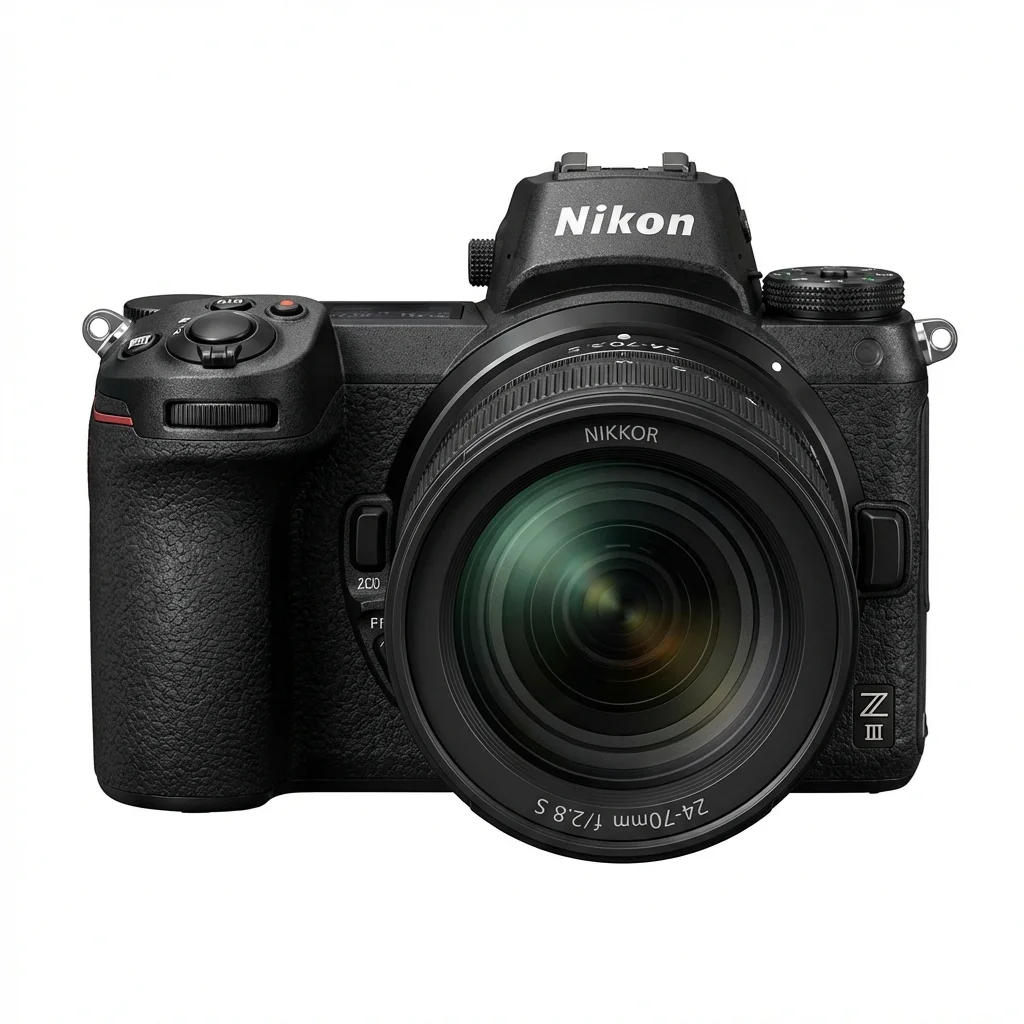
For wildlife creators who shoot both stills and video (YouTube, documentaries), the Z6 III bridges the gap. Its partially stacked sensor handles 14fps burst for action shots, then switches to 6K60 or 4K120 for cinematic slow-mo nature footage.
Nikon's subject detection reliably tracks birds, animals, and aircraft. The weather-sealed build handles rain, dust, and cold. Internal N-RAW gives you unprecedented editing flexibility for challenging light conditions.
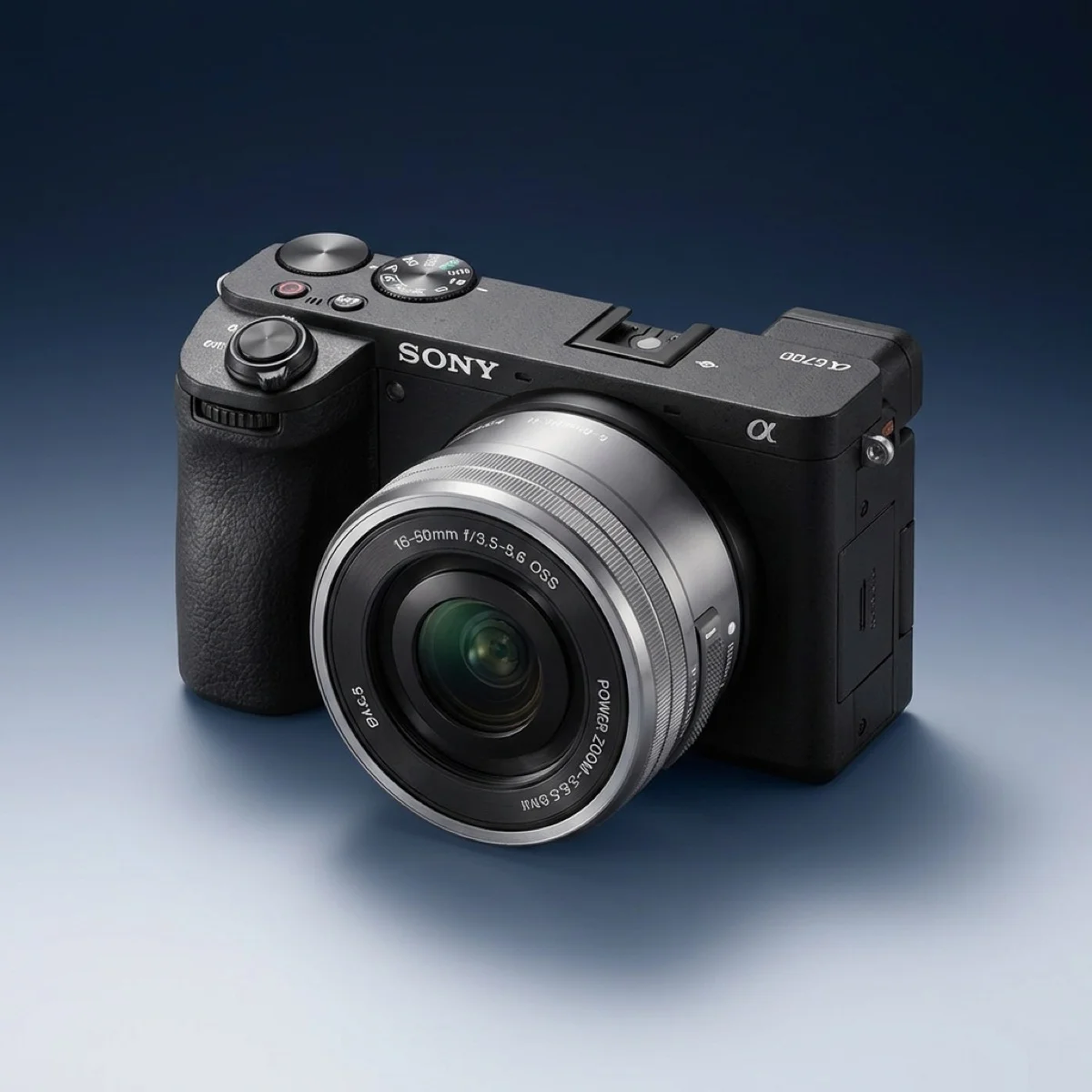
Sony's AI subject recognition is the most advanced in any APS-C body. It identifies birds, insects, and animals with eerie accuracy, tracking them through complex backgrounds and rapid movement changes. The 1.5x crop extends telephoto reach without the weight of full-frame.
Pair with the Sony FE 200-600mm f/5.6-6.3 for a 300-900mm equivalent wildlife setup that weighs far less than comparable full-frame kits. The compact body is comfortable for long hikes and all-day field work.

The 2x Micro Four Thirds crop factor is the ultimate reach multiplier. A 150-400mm f/4.5 lens becomes 300-800mm equivalent — and the OM System 100-400mm f/5.0-6.3 becomes 200-800mm in a package that weighs just over 1kg. No full-frame kit can match this reach-per-kilo.
AI-powered 50fps burst with subject detection captures hummingbird wing positions that other cameras miss. The body is fully weather-sealed and freeze-proof down to -10°C for extreme field conditions.
A sharp 24MP file in focus beats a 45MP miss every time. Prioritize cameras with reliable animal/bird eye tracking. This is the #1 keeper-rate multiplier in the field.
Peak burst rate means nothing if the camera freezes after 1 second. Check sustained RAW burst and buffer depth. Wildlife action can last 5-10 seconds — your camera needs to keep up.
A $1,500 body + $2,000 telephoto lens outperforms a $3,500 body + $500 lens every time. In wildlife, glass quality and focal length matter more than the body behind it.
Nikon Z8 is the top no-compromise choice with a stacked sensor for 20fps burst, world-class autofocus tracking, and zero blackout. For value, the Canon EOS R7 offers APS-C reach advantage and fast burst at under $1,500.
Not necessarily. APS-C cameras like the Canon R7 and Sony A6700 give you extra reach (1.5-1.6x crop factor) that effectively extends your telephoto lens, which is often more valuable than full-frame low-light advantage in daylight wildlife shooting.
For birds, 400-600mm equivalent is ideal. For larger wildlife (deer, bears, safari animals), 200-400mm usually works. A 100-400mm or 200-600mm zoom covers the widest range of scenarios.
Very important, but sustained burst and buffer depth matter more than peak fps. Wildlife action can last several seconds — a camera that does 30fps for 1 second then freezes is worse than one doing 12fps sustainably for 5 seconds.

We test cameras with a field-first approach: autofocus reliability on moving subjects, burst buffer endurance, and telephoto lens value.
Learn more about our testing process →We buy or rent our own equipment. No manufacturer paid for this guide. We earn a commission when you use our affiliate links, which keeps this site ad-free.