
Panasonic Lumix GH7 Review
The GH7 is a 25.2 MP Micro Four Thirds video body: open gate up to 5.8K 30p, ProRes RAW recorded internally, 32-bit float audio with the optional XLR unit, 779-point phase-detect autofocus, and in-body stabilisation rated at 7.5 stops.

Disclosure: As an Amazon Associate I earn from qualifying purchases. Links to retailers on this page are affiliate links. We earn a commission on purchases made through them, at no extra cost to you. It doesn't change our verdicts.
The Verdict
The GH7 is a 25.2 MP Micro Four Thirds body (5,776 × 4,336 pixels) that records ProRes RAW internally and open gate up to 5.8K 30p from the full 4:3 sensor area, with a built-in cooling fan. Panasonic rates the in-body stabilisation at 7.5 stops. It has two card slots: one CFexpress Type B and one SD. Video goes out over a full-size HDMI (Type A) port.
With the optional XLR unit it records 32-bit float audio. Owners upgrading from earlier GH bodies single out the autofocus, and owners praise the in-body stabilisation; some owners find the body heavy or bulky (see What owners report).
- Overall
- 8.4/10
- Image quality
- 7.8
- Autofocus
- 8.2
- Video
- 9.2
- Speed
- 7.8
- Handling and build
- 9.0
| Released | 26 July 2024 |
|---|---|
| Sensor | 25.2MP BSI-CMOS, Micro Four Thirds (17.3 × 13.0 mm) |
| Resolution | 5,776 × 4,336 |
| Processor | Venus Engine |
| Mount | Micro Four Thirds |
| Stabilisation | In-body, up to 7.5 stops |
| Autofocus | Phase detection, 779 points; AF-S, AF-C and manual, with AI subject detection and tracking |
| Burst | 14 fps mechanical |
| Shutter speeds | 60s to 1/8000s mechanical; to 1/32000s electronic; bulb |
| Flash sync | Approx. 1/250s, mechanical shutter |
| Video | Open Gate up to 5.8K 30p (4:3); 5.7K (17:9) in ProRes up to 30p; 4K and C4K from 24p to 120p; Full HD 24p to 240p |
| Colour depth | Selectable 8-bit or 10-bit; All-Intra and Long GOP |
| Internal raw | ProRes RAW |
| Audio | 32-bit float with the optional XLR unit; 3.5 mm mic and headphone jacks |
| Recording limit | Panasonic's manual gives no heat time limit; it says recording stops if the camera overheats. ProRes RAW stops at 640 GB (about 20 min of C4K/60p RAW HQ). Built-in fan |
| Dynamic Range Boost | 13+ stop mode |
| Viewfinder | OLED, approx. 100% coverage, 0.8x 35mm-equivalent magnification |
| Rear screen | 3.0-inch fully articulated touchscreen, 1.8M dots |
| Storage | CFexpress Type B, SD UHS-II, and external USB SSD |
| Battery | DMW-BLK22, charges over USB-PD |
| Connections | HDMI Type-A, USB-C, 3.5 mm microphone and headphone jacks |
| Body | Magnesium alloy, weather-sealed |
| Dimensions | 138.4 × 100.3 × 99.6 mm |
| Weight | 721 g |
What Stands Out
- The GH7 records ProRes RAW internally
- 32-bit float audio with the optional XLR unit
- Open gate up to 5.8K 30p from the full 4:3 sensor area; owners use it to deliver vertical and horizontal versions (see What owners report)
- 779-point phase-detect autofocus; owners upgrading from earlier GH bodies single out the autofocus (see What owners report)
- In-body stabilisation rated at 7.5 stops; owners praise it (see What owners report)
- Built-in cooling fan with six modes, from AUTO1 to OFF
Trade-offs
- Some owners say it is not the camera for night or low-light shooting (see What owners report)
- Some owners find the body heavy or bulky (see What owners report)
In Depth
Open Gate
Open Gate records the full 4:3 area of the sensor up to 5.8K 30p rather than cropping to a delivery aspect ratio. Owners like the mode, and some use it to deliver both vertical and horizontal versions (see What owners report). CineD measured the rolling shutter of the full 4:3 open-gate readout; the figure is in What independent testers measured.
Internal ProRes RAW
The GH7 records ProRes RAW internally to a CFexpress Type B card. 4K and C4K run from 24p to 120p. Colour depth is selectable between 8-bit and 10-bit, with All-Intra and Long GOP compression. CineD measured the GH7's exposure latitude in 5.7K ProRes RAW HQ and its video dynamic range in full-sensor ProRes HQ with V-Log; both figures are in What independent testers measured.
32-bit float audio
With the optional XLR unit, the GH7 records 32-bit float audio. The body also has 3.5 mm microphone and headphone jacks.
Heat and the cooling fan
The cooling fan has six modes, from AUTO1, which switches speed with the camera's temperature, to OFF. Panasonic's manual gives no heat time limit; it says recording and HDMI output stop if the camera gets too hot. On the GH7, long MOV, MP4 and ProRes 422 clips continue in a new file when a file reaches its size or time limit, while ProRes RAW stops at 640 GB, which Panasonic puts at about 20 minutes of C4K/60p RAW HQ. The body measures 138.4 × 100.3 × 99.6 mm and weighs 721 g; some owners find it heavy or bulky (see What owners report).
Autofocus
The GH7 uses phase-detect autofocus with 779 AF points, in AF-S, AF-C and manual focus modes. Owners upgrading from earlier GH bodies single out the autofocus (see What owners report).
Sensor and low light
The sensor is a 25.2 MP back-illuminated Micro Four Thirds CMOS with 5,776 × 4,336 pixels. For CineD's video dynamic range and exposure latitude results, see What independent testers measured; for photos other people took with it, see Sample photos. Owners say low-light and high-ISO images are usable, and some say they are improved over earlier GH bodies; others say it is not the camera for night or low-light shooting (see What owners report).
Stills and stabilisation
Panasonic rates bursts at 14 fps with the mechanical shutter and the in-body stabilisation at 7.5 stops. Dynamic Range Boost adds a mode Panasonic rates at 13+ stops. Owners praise the in-body stabilisation, and some wonder whether they still need a gimbal for handheld video (see What owners report).
Sample photos from other photographers
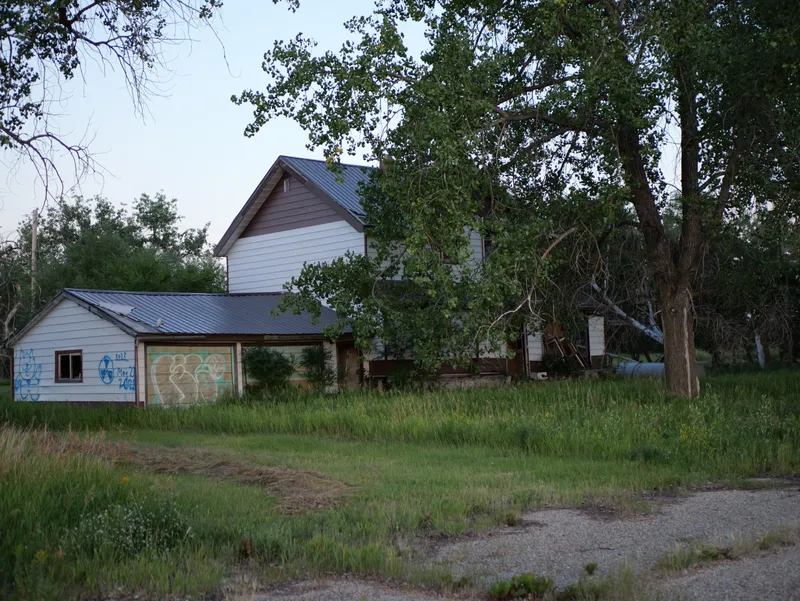
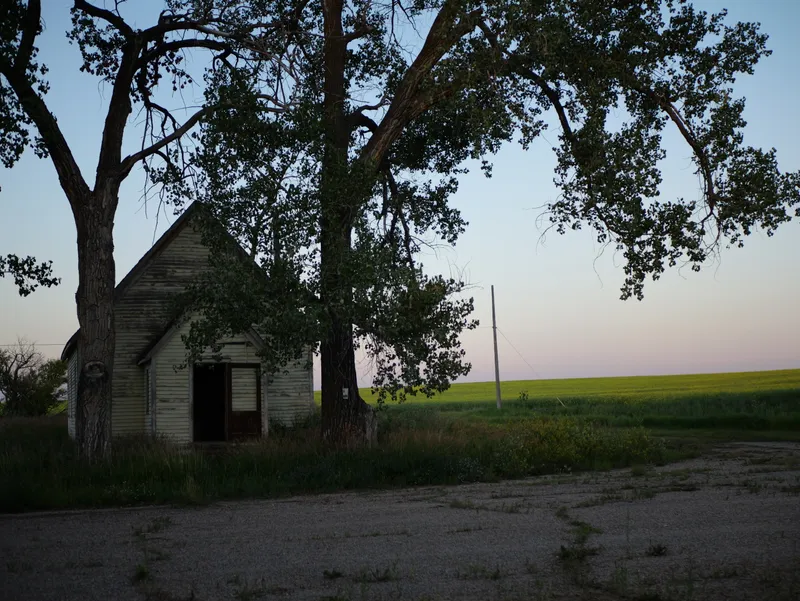
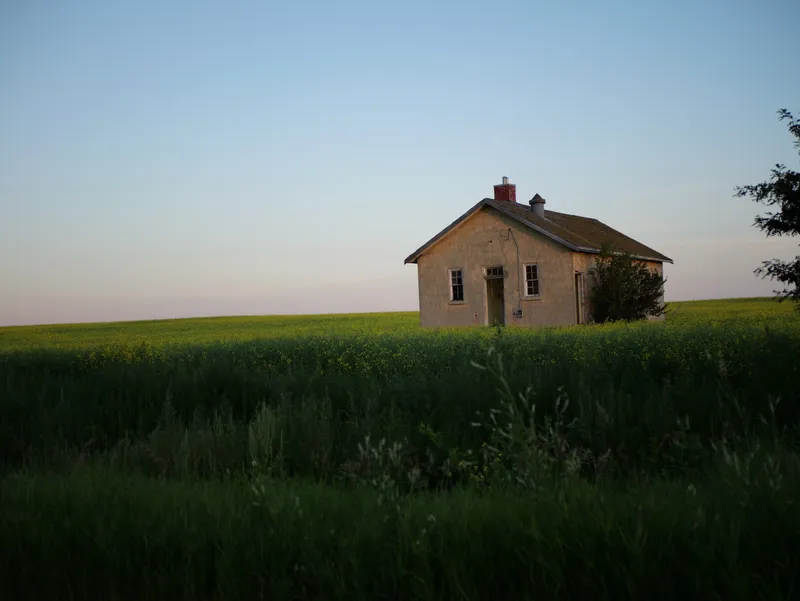
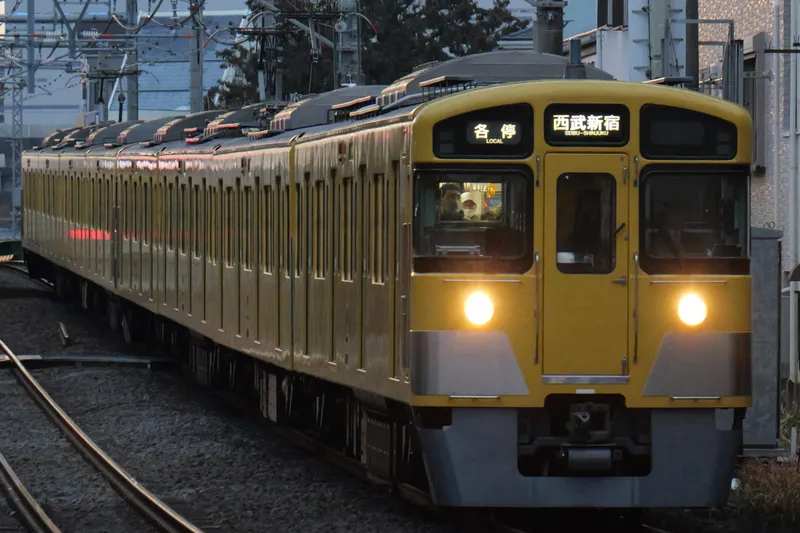
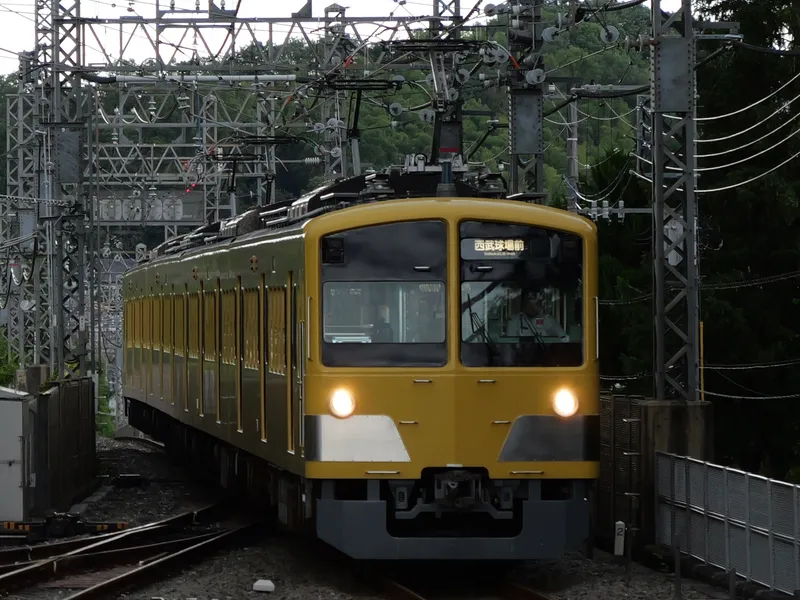
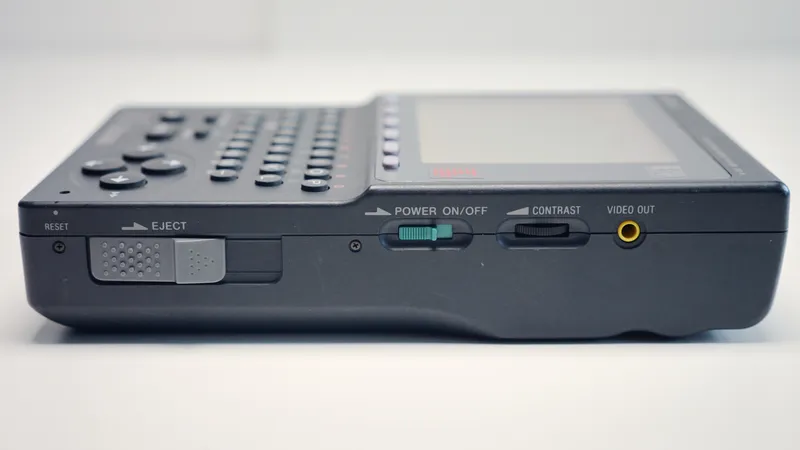
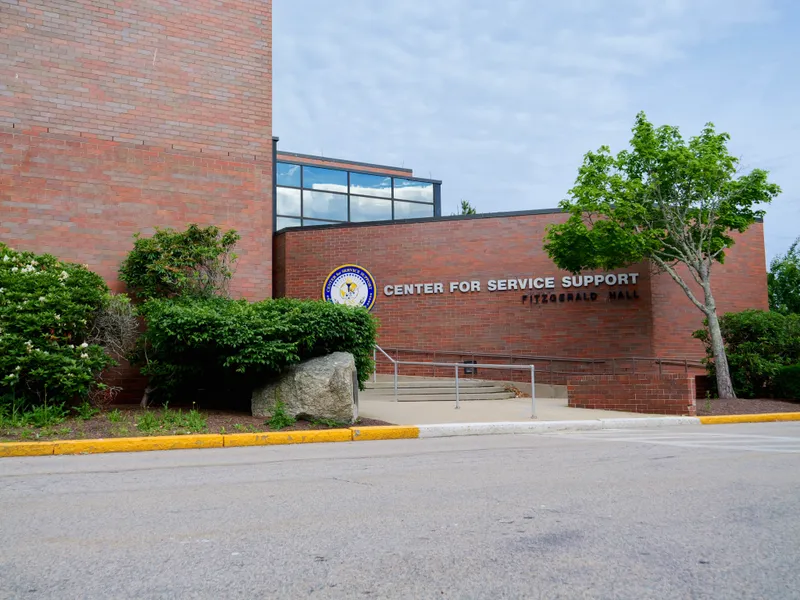
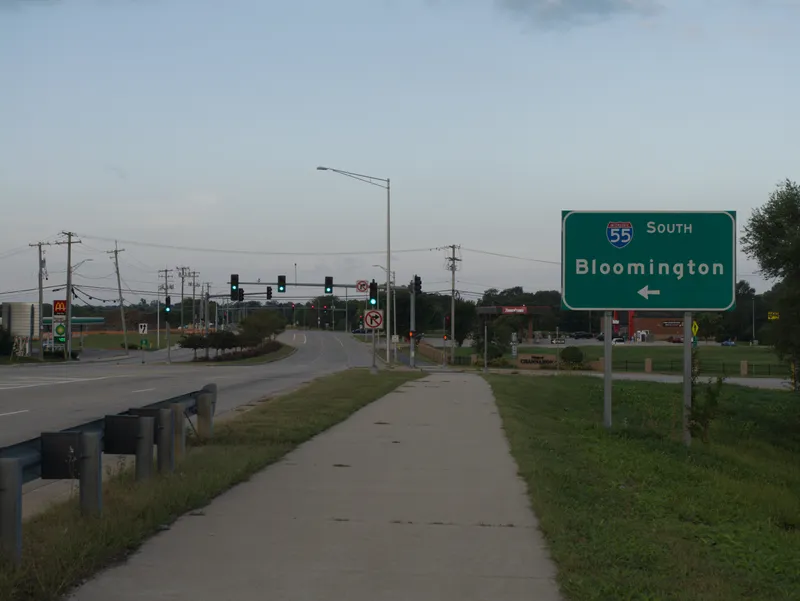
Photos that other people took with the Panasonic GH7 and published on Wikimedia Commons under free licences. We chose them; we did not take them. The settings under each photo come from the file's own metadata.
What independent testers measured
These figures were measured by the outlets named in the last column, not by us. Each one links to the test it comes from, and the conditions it was measured under are listed beside it.
| Measurement | Result | Conditions | Source |
|---|---|---|---|
| Rolling shutter (sensor readout time) | 20.8 ms | Full 4:3 sensor readout (open gate), 5760 x 4320 | CineD, checked 24 Oct 2026 |
| Video dynamic range (Imatest, SNR = 2) | 11.3 stops | Full sensor, 5728 x 3024, 25 fps, ProRes HQ, ISO 500, V-Log | CineD, checked 24 Oct 2026 |
| Exposure latitude | 8 stops | 5.7K ProRes RAW HQ, ISO 500, developed as 12-bit CinemaDNG; 3 stops over to 5 stops under | CineD, checked 24 Oct 2026 |
What owners report
We read 79 public posts and reviews on 24 Oct 2026: reddit.com/r/Lumix (47), bhphotovideo.com (32). Each point below came up from at least two different people; the wording is ours.
Praised repeatedly
- Owners upgrading from earlier GH bodies single out the autofocus. [1][2][3][4]
- Owners praise the in-body stabilization, and some wonder whether they still need a gimbal for handheld video. [1][2][3][4]
- Owners like the open-gate recording mode, and some use it to deliver both vertical and horizontal versions. [1][2][3][4]
- Owners say low-light and high-ISO images are usable, and some say they are improved over earlier GH bodies. [1][2][3][4]
- Owners moving up from earlier GH bodies find the menus and handling familiar and easy to pick up. [1][2][3][4]
Complained about repeatedly
- Some owners say it is not the camera for night or low-light shooting. [1][2]
- Some owners find the body heavy or bulky. [1][2]
These are public posts. We do not check whether the people who wrote them bought or used this camera.
How this score is put together
8.4 out of 10
- Image quality Weight 25% 7.8
25.2MP Four Thirds sensor
- Autofocus Weight 20% 8.2
779-point phase detect
- Video Weight 20% 9.2
5.8K30 internal, ProRes up to 5.7K30, 32-bit float audio
- Speed Weight 15% 7.8
14 fps mechanical, 75 fps with the electronic shutter
- Handling and build Weight 20% 9.0
7.5-stop IBIS, active cooling, CFexpress Type B + SD slots
Scored against Micro Four Thirds cameras. The overall figure is the weighted mean of the rows above — it is computed, not set by hand.
How It Compares
| Spec | Panasonic GH7 | Panasonic S5 IIX | OM System OM-1 Mark II |
|---|---|---|---|
| Sensor | 25.2MP MFT | 24.2MP FF | 20MP MFT Stacked |
| Video | 5.8K30 | 6K30 | 4K60 |
| AF Points | 779 points | 779 points PDAF | 1053 points |
| Burst | 14 fps | 30 fps | 120 fps |
| IBIS | 7.5 stops | 5 stops | 8.5 stops |
| Buy | Check price at Amazon | Check price at Amazon | Check price at Amazon |
FAQ
GH7 vs S5 IIX: how do the specs differ?
The GH7 has a 25.2 MP Micro Four Thirds sensor, the S5 IIX a 24.2 MP full-frame sensor (35.6 × 23.8 mm). The GH7 records up to 5.8K 30p, the S5 IIX up to 6K 30p. Panasonic rates the in-body stabilisation at 7.5 stops on the GH7 and 5 stops on the S5 IIX. The GH7 has one CFexpress Type B and one SD slot, the S5 IIX two SD slots. Both have a full-size HDMI (Type A) port.
How does the GH7 handle low light?
It has a 25.2 MP Micro Four Thirds sensor. Owners say low-light and high-ISO images are usable, and some say they are improved over earlier GH bodies; others say it is not the camera for night or low-light shooting (see What owners report). CineD's video dynamic range and exposure latitude results are in What independent testers measured.
What cards does the GH7 use?
It has two card slots: one CFexpress Type B and one SD (UHS-II). The GH7 records ProRes RAW internally to the CFexpress Type B card, and it can also record to an external USB SSD.
Recommended Accessories
Essential gear to maximize your Panasonic Lumix GH7 experience:
ProGrade CFexpress Type B 256GB
A CFexpress Type B card for the GH7's CFexpress Type B slot; the other slot takes SD.
Panasonic DMW-BLK22
The battery this camera takes.
RODE Wireless GO (Gen 3)
Wireless microphone with 32-bit float recording.
K&F Concept 135 LED RGB
RGB LED video light with a 5000 mAh battery.
More gear guides: Best TripodsBest Camera BagsBest SD Cards
