
Buy the system, not the body
Cameras get replaced; lenses last a decade. Sony gives you the cheapest third-party glass, Canon and Nikon offer brilliant but pricier proprietary lenses. Pick the ecosystem you can afford to grow into.
The top mirrorless cameras of 2026, across every price tier. From the do-everything Sony A7 IV to budget full-frame and pro 8K bodies, here is the camera worth your money.

Disclosure: As an Amazon Associate I earn from qualifying purchases. Links to retailers on this page are affiliate links. We earn a commission on purchases made through them, at no extra cost to you. It doesn't change our verdicts.
 Best Overall Sony A7 IV Check price at Amazon
  Best for Action Canon EOS R6 Mark II Check price at Amazon
  Best for Video Nikon Z6 III Check price at Amazon
  Best Value Sony A6700 Check price at Amazon
  Best on a Budget Canon EOS R8 Check price at Amazon
  Also Great Canon EOS R8 Mark II Check price at Amazon
  Best for Photos Canon EOS R5 Mark II Check price at Calumet
  Best Pro Pick Nikon Z8 Check price at Amazon
  Also Great Fujifilm X-T5 Check price at Amazon
 | Model | Best For | Megapixels | Video Specs | Price |
|---|---|---|---|---|
| Sony A7 IV | Best Overall | 33 MP | 4K60 (Crop) | Check price at Amazon |
| Canon R6 Mark II | Speed / Action | 24 MP | 4K60 (No Crop) | Check price at Amazon |
| Nikon Z6 III | Best Hybrid Video | 24.5 MP | 6K Raw | Check price at Amazon |
| Sony A6700 | Best APS-C | 26 MP | 4K120 | Check price at Amazon |
| Canon EOS R8 | Budget Full-Frame | 24 MP | 4K60 | Check price at Amazon |
| Canon EOS R8 Mark II | Entry FF + IBIS | 24 MP | 4K60 (Full Width) | Check price at Amazon |
| Canon EOS R5 Mark II | High-Res Pro | 45 MP | 8K RAW | Check price at Calumet |
| Nikon Z8 | Pro Hybrid | 45.7 MP | 8K | Check price at Amazon |
| Fujifilm X-T5 | Best APS-C Alt | 40 MP | 6.2K | Check price at Amazon |
Spec figures from the makers: Sony A7 IV (sony.co.uk, checked 25 Sept 2026) · Canon R6 Mark II (canon-europe.com, checked 25 Sept 2026) · Nikon Z6 III (nikonusa.com, checked 25 Sept 2026) · Sony A6700 (sony.co.uk, checked 25 Sept 2026) · Canon EOS R8 (canon-europe.com, checked 25 Sept 2026) · Canon EOS R8 Mark II (canon-europe.com, checked 16 Oct 2026) · Canon EOS R5 Mark II (canon-europe.com, checked 25 Sept 2026) · Nikon Z8 (nikonusa.com, checked 25 Sept 2026) · Fujifilm X-T5 (fujifilm-x.com, checked 25 Sept 2026)
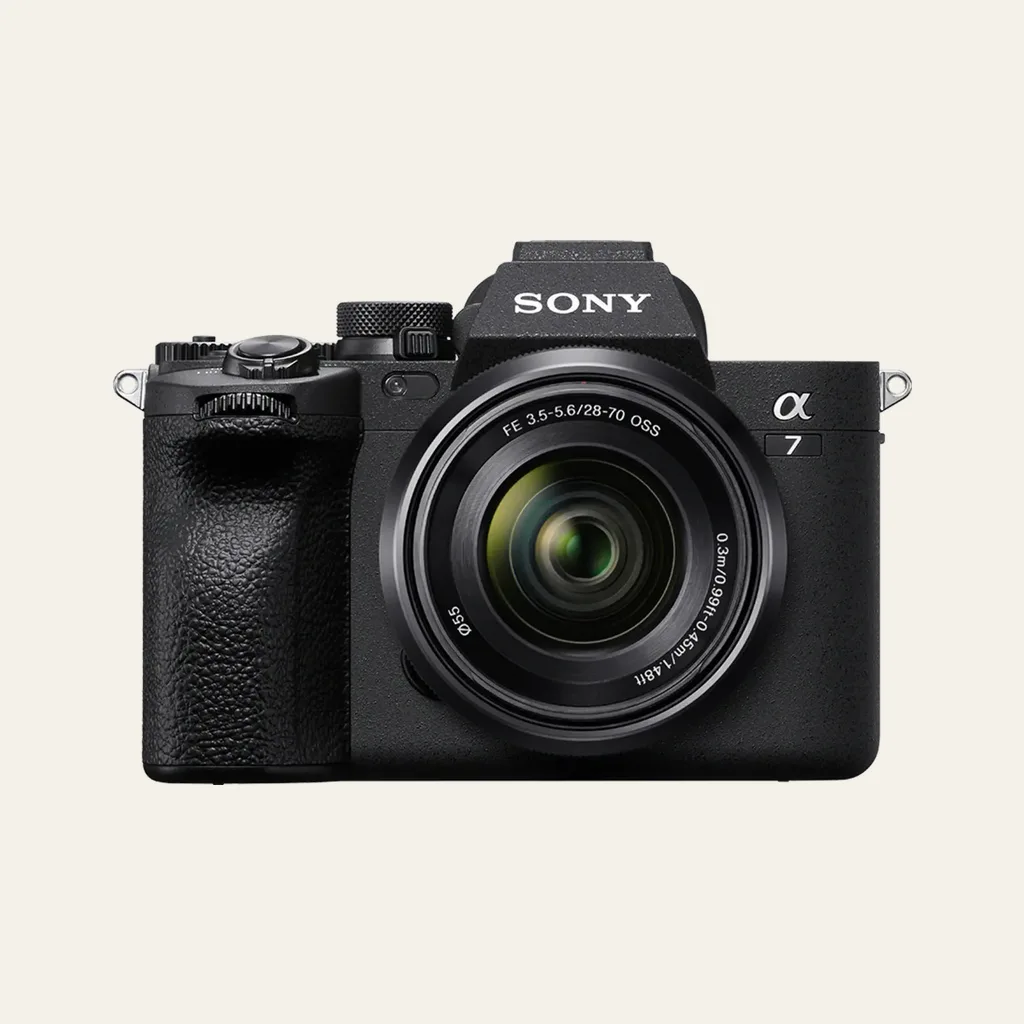
The ultimate hybrid camera and the best all-round mirrorless body you can buy in 2026. Its 33MP sensor gives you significantly more cropping room than its 24MP rivals, and the Real-time Eye AF tracks subjects like a magnet.
It also sits on the biggest lens ecosystem in the industry—Sony, Sigma, Tamron, and Samyang—making it the most affordable system to build long-term. If you only buy one camera, buy this one.

Need speed? The R6 Mark II shoots a blistering 40 frames per second electronically, making it a monster for sports and wildlife. For video it is the rare camera in this class that records 4K 60p using the full width of the sensor with no crop.
The ergonomics are fantastic and the Dual Pixel II autofocus sticks to subjects tenaciously. If you prioritize speed and usability over sheer resolution, this is the body to beat.
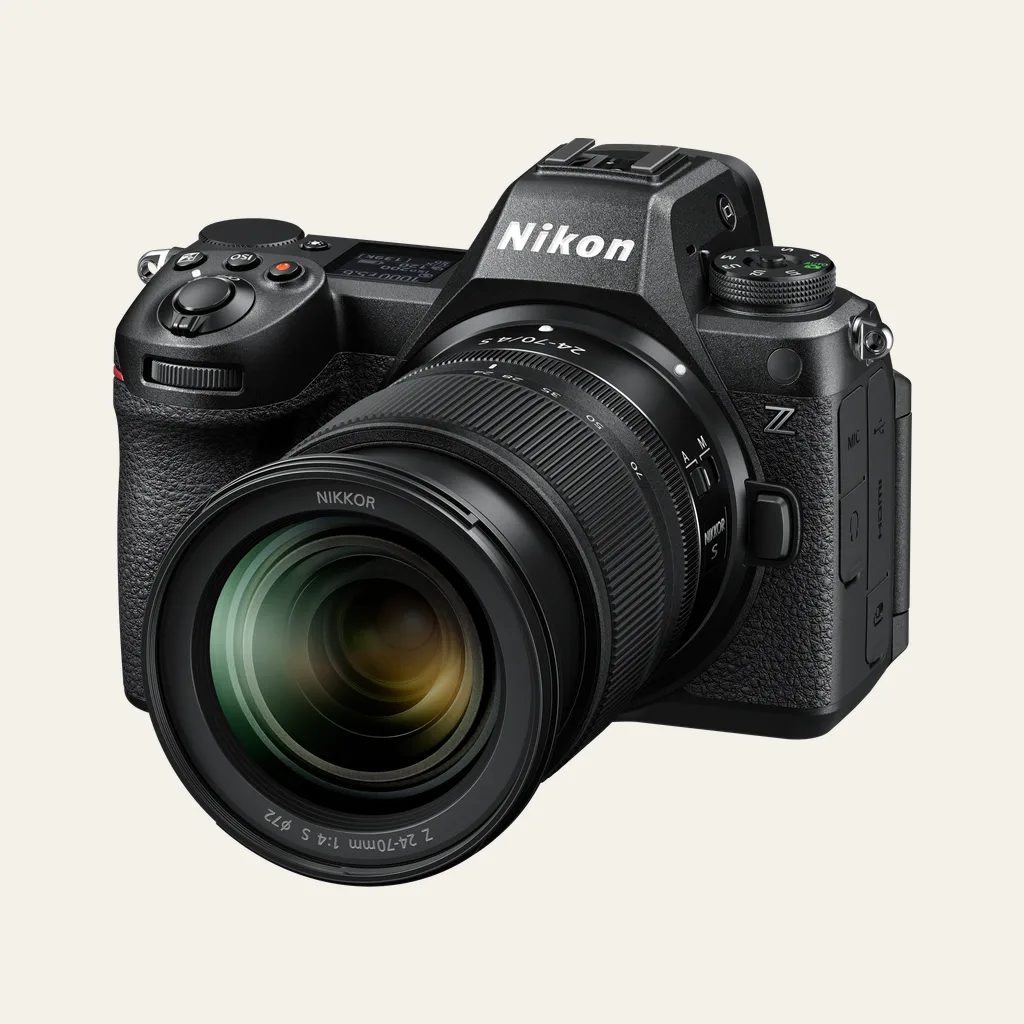
The Z6 III delivers professional hybrid performance with a 24.5MP partially stacked sensor, which means fast readout, minimal rolling shutter, and the headline feature: internal 6K RAW video. No other body near this price records RAW internally.
Add the brightest electronic viewfinder on the market and refined Nikon autofocus, and you have the most video-capable hybrid for creators who want a future-proof codec without stepping up to a cinema camera.
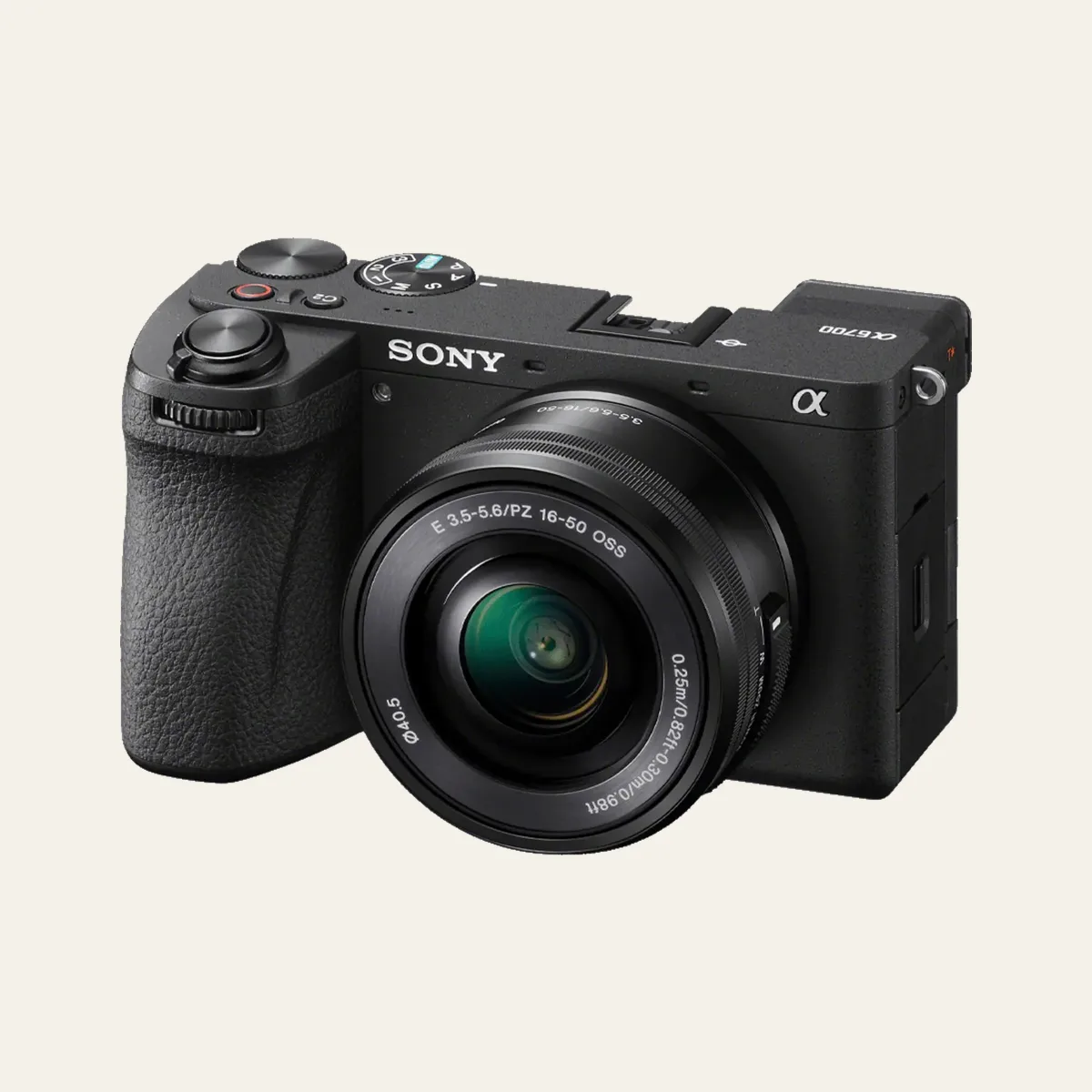
The A6700 is the best APS-C camera for the money. It borrows the AI-powered autofocus processor from Sony's flagship bodies, so subject tracking is uncannily good, and it shoots 4K120 for slow motion in a body that fits in a jacket pocket.
For travel, vlogging, and everyday photography it gives you 90% of full-frame performance at a fraction of the size and price. If you do not need full frame, this is the smart buy.

The EOS R8 is the entry point to full-frame in this list. It pairs the same 24.2MP sensor and Dual Pixel CMOS AF II as the R6 Mark II with a body that weighs 461 g with battery and card.
The savings show up in the body, not the image: there is no in-body stabilisation, the CIPA battery rating is 370 shots, and the 40 fps burst needs the fully electronic shutter (6 fps with the electronic first curtain). For travel and portraits, the size is the point.

The R8's successor keeps its 24.2MP resolution and 1,053-zone Dual Pixel CMOS AF II and adds the stabilisation the R8 does not have: sensor-shift IS, which Canon rates at up to 7.5 stops in the centre (CIPA 2024, measured together with the stabilised RF 24-105mm F2.8 L IS USM Z).
Canon also lists the body as dust- and water-resistant, and the 40 fps buffer grows from 56 to 73 RAW frames. As on the R8, there is one SD slot and no fully mechanical shutter mode, and the battery rating is short: 340 shots on the screen, against 370 for the R8. It weighs 546 g with card and battery, 85 g more than the R8. Canon Germany gives 20 October 2026 as the availability date.

When you need everything, the R5 Mark II combines 45MP resolution with 8K RAW video, Eye Control AF that moves the focus point to wherever you look, and professional reliability. It is the do-it-all body for working photographers and filmmakers.
You pay for it—this is a professional-tier tool—but nothing else packs this much resolution, speed, and video capability into one weather-sealed package. Buy it only if your work demands it.
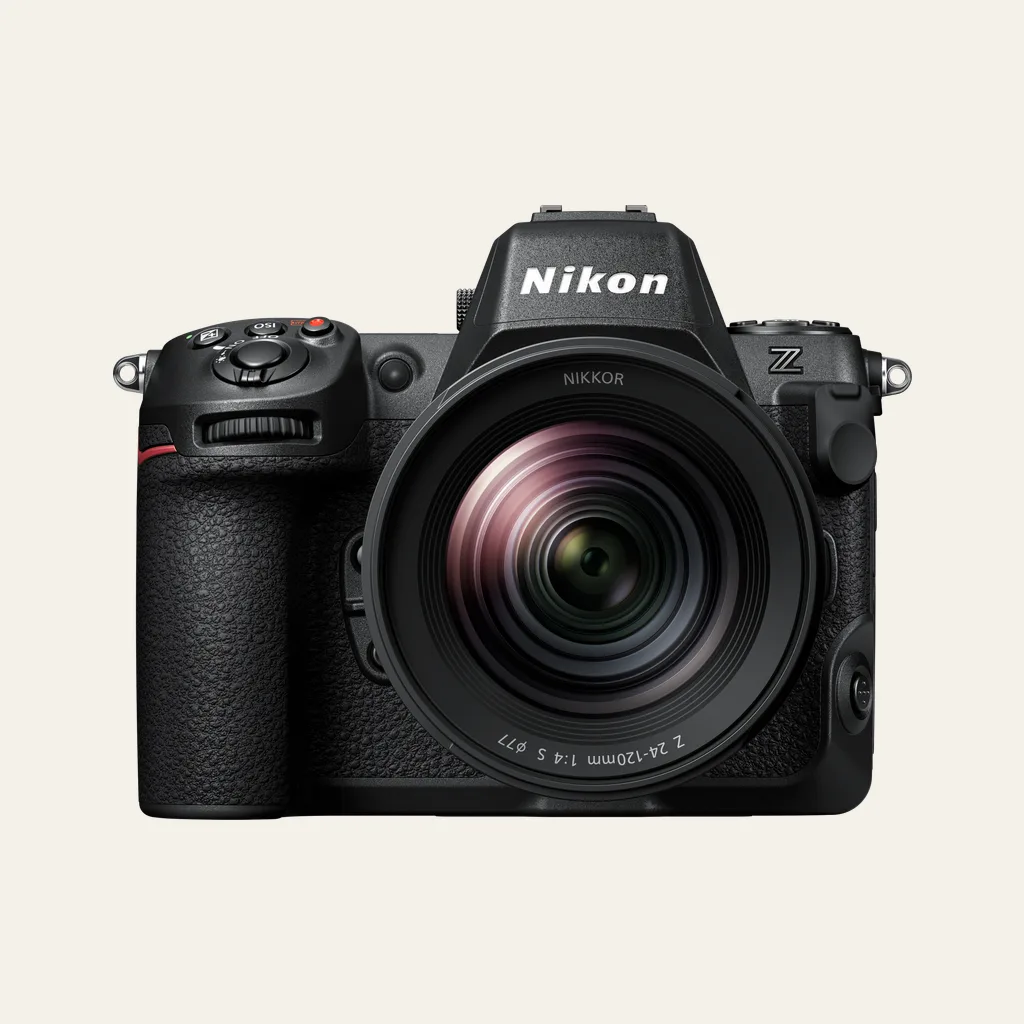
The Z8 puts the 45.7MP stacked sensor and internal 8K 60p N-RAW video of Nikon's Z9 flagship into a smaller body without the integrated vertical grip. There is no mechanical shutter: the stacked sensor reads out fast enough for the electronic shutter to do the job.
In-body stabilisation is rated at 5.5 stops (6.0 with Nikkor Z lenses that support Synchro VR), the viewfinder has 3.69 million dots and base ISO is 64. It is the body for photographers who shoot high-resolution stills and 8K video on the same job.

If the A6700 is the APS-C pick for hybrid shooters, the X-T5 is the one for stills. Its 40.2MP X-Trans CMOS 5 HR sensor out-resolves the A6700's 26MP, and shutter speed, ISO and exposure compensation each have their own dial.
In-body stabilisation is rated at up to 7 stops and the body weighs 557 g with battery and card. Bursts run at 15 fps with the mechanical shutter, or 20 fps electronically in a 1.29x crop. Video reaches 6.2K 30p, but for tracking fast subjects the Sony and Canon bodies above are the stronger choice.
Cameras get replaced; lenses last a decade. Sony gives you the cheapest third-party glass, Canon and Nikon offer brilliant but pricier proprietary lenses. Pick the ecosystem you can afford to grow into.
24-26MP is plenty for 4K video, social media, and large prints. Only pay for 45MP bodies like the Canon R5 II or Nikon Z8 if you crop heavily, shoot commercial work, or print billboards.
The Sony A7 IV is the best all-round mirrorless camera in 2026. Its 33MP full-frame sensor, class-leading Real-time Eye AF, and the largest lens ecosystem (Sony, Sigma, Tamron, Samyang) make it the safest pick for almost any photographer or hybrid creator. If you shoot a lot of action, the Canon EOS R6 Mark II and its 40fps burst is the better tool.
APS-C cameras like the Sony A6700 are smaller, lighter, cheaper, and have a crop that helps with wildlife reach. Full-frame (Sony A7 IV, Canon R6 II, Nikon Z6 III) gives better low-light performance, more background blur, and higher resolution. Start with APS-C unless you regularly shoot weddings, events, or in dark conditions—then full-frame earns its price.
Yes, for almost everyone. Mirrorless cameras have surpassed DSLRs in autofocus (subject-detection AI tracking), video (4K 60p and beyond), and size. DSLR lens mounts are no longer being developed. The only reasons to choose a DSLR today are a tight budget for used gear or a huge existing collection of DSLR lenses.
The mid range hits the sweet spot: the Canon EOS R8 gets you into full-frame, and the Sony A6700 is the best APS-C body at that level. Step up to the all-rounder class for a Sony A7 IV or Canon R6 Mark II. Only go to the flagships (Canon R5 II, Nikon Z8) if you need 45MP resolution or 8K video for professional work.

We buy or rent our own equipment. No manufacturer paid for this guide. We earn a commission when you use our affiliate links, which keeps this site ad-free.