Panasonic S5 II vs Sony A7 IV

The value full-frame hybrid showdown. We compare 6K video, stabilization, autofocus, and the lens ecosystem that matters most — and they sit a clear step apart, aimed at very different shooters.

Updated: October 2026

Panasonic S5 II Sony A7 IV

Disclosure: As an Amazon Associate I earn from qualifying purchases. Links to retailers on this page are affiliate links. We earn a commission on purchases made through them, at no extra cost to you. It doesn't change our verdicts.

Quick Verdict

Best for Video/Value

Panasonic S5 II

Choose if: You want the most video camera for your money. Best for filmmakers, V-Log shooters, and creators who need 6K Open Gate, V-Log and a built-in fan. Panasonic names one recording stop: 30 minutes in 6K/5.9K 30p/25p with Thermal Management on Standard.

Sensor 24.2MP FF
Video 6K30 / 4K60
IBIS 5 stops (6.5 with Dual I.S. 2)
Burst 30fps
Best for AF/Ecosystem

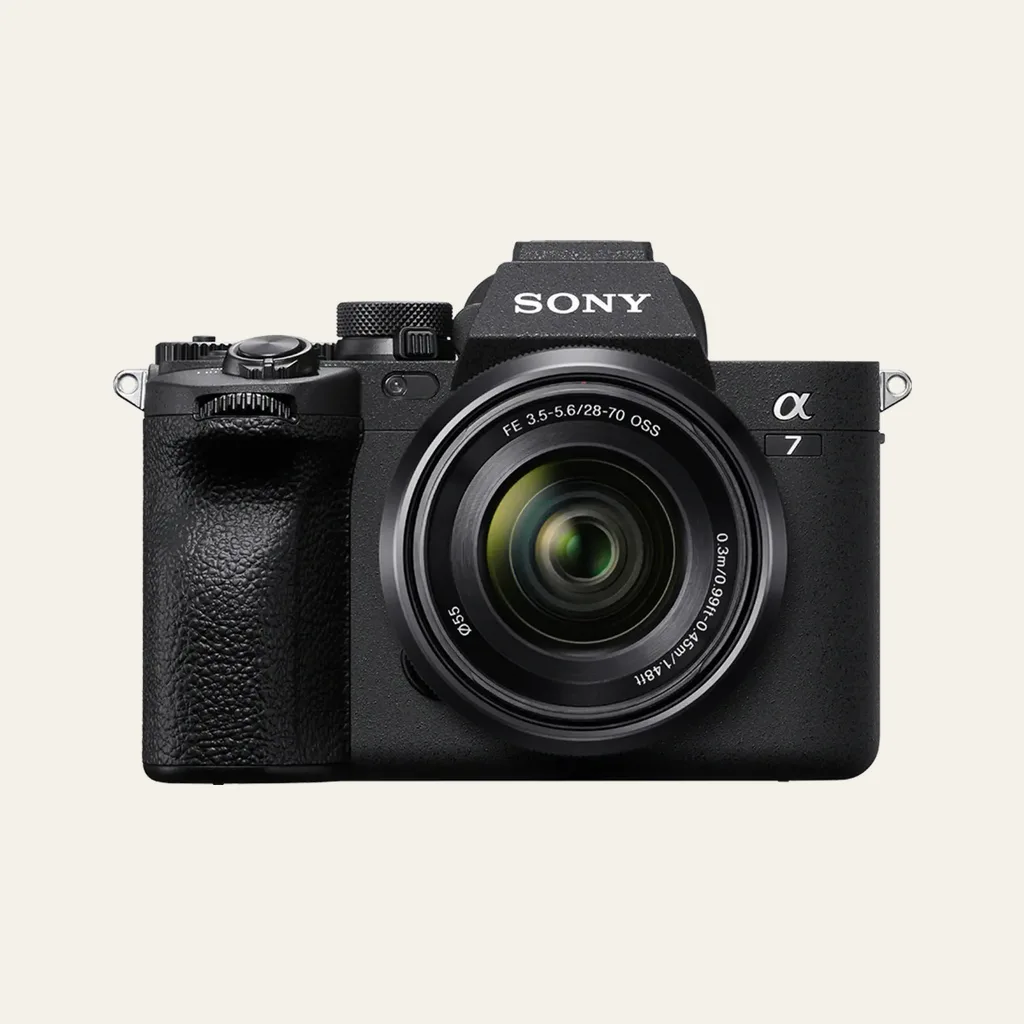
Sony A7 IV

Choose if: You prioritize autofocus, resolution, and the deepest lens lineup. Best for hybrid shooters, portraits, events, and anyone who values Sony's mature E-mount ecosystem.

Sensor 33MP FF
Video 4K60 (crop)
IBIS 5.5 stops
Burst 10fps

Full Specs Comparison

Specification Panasonic S5 II Sony A7 IV
Sensor 24.2MP Full-Frame CMOS 33MP Full-Frame Exmor R BSI CMOS
Processor L2 Technology (New Engine) BIONZ XR
Video (Max) 6K 30p Open Gate (3:2), 4K30 full-frame, 4K60 APS-C crop 4K60 (S35 crop), 4K30 full-frame (7K oversampled)
Internal Recording 10-bit 4:2:2 (LongGOP / All-Intra) 10-bit 4:2:2 XAVC S-I / XAVC HS
Log Profiles V-Log (14+ stops), V-Gamut, HLG S-Log3, S-Cinetone, HLG
Autofocus 779-point Phase Hybrid, Human/Animal/Vehicle 759-point hybrid, Real-time Eye AF (Human/Animal/Bird)
IBIS 5-Axis (6.5 stops with Dual I.S. 2) 5-Axis (5.5 stops)
Burst Speed 30fps electronic, 9fps mechanical 10fps (lossy compressed Raw)
ISO Range 100–51,200 (exp. 50–204,800) 100–51,200 (exp. 50–204,800)
Card Slots 2x SD UHS-II 1x CFexpress A/SD + 1x SD UHS-II
Viewfinder 3.68M-dot OLED, 0.78x magnification 3.69M-dot OLED, 0.78x magnification
Screen 3.0" free-angle, 1.84M-dot 3.0" vari-angle, 1.03M-dot
Weight 740g (with battery and card) 658g (with battery and card)

Spec figures from the makers: Panasonic S5 II (help.na.panasonic.com, checked 26 Sept 2026) · Sony A7 IV (sony.co.uk, checked 25 Sept 2026)

Autofocus: Head-to-Head

Both cameras now offer reliable phase-detect autofocus, but the A7 IV still holds the edge for fast action:

Panasonic S5 II

  • 779 phase-detect points cover the whole frame
  • No more "hunting" or pulsing — flawless for vlogging
  • Human, animal, and vehicle detection
  • Not quite at Sony's level for fast-action sports

Sony A7 IV

  • 759 points covering 94% of the frame
  • Sticky Real-time Eye AF (human/animal/bird)
  • Industry benchmark tracking reliability
  • No dedicated vehicle detection mode

Winner: Sony A7 IV. The S5 II closed the gap, but Sony's tracking is still the safer bet for sports and wildlife.

Video Quality: The Real Difference

This is where the S5 II makes its case as a value powerhouse:

Panasonic S5 II

  • 6K 30p Open Gate (3:2) for flexible reframing
  • 4K60 in the APS-C crop mode (4K30 full-frame), 10-bit 4:2:2 internal
  • V-Log (14+ stops), real-time LUT, waveform
  • Built-in fan; Panasonic's only stated stop is 30 min in 6K/5.9K 30p/25p (Standard)

Sony A7 IV

  • 4K30 full-frame, oversampled from 7K
  • 4K60 with a 1.5x (S35) crop
  • 10-bit 4:2:2, S-Log3 and S-Cinetone
  • No 6K; 4K60 only with a crop

Winner: Panasonic S5 II for video-first creators. 6K Open Gate, V-Log and long takes (Panasonic names one stop: 30 minutes in 6K/5.9K 30p/25p on Standard) are hard to beat at this price.

Stabilization (IBIS)

Body against body the ratings are close; Panasonic's higher figure needs a Dual I.S. 2 lens:

  • S5 II: 5-axis body IS rated 5 stops, 6.5 with Dual I.S. 2 lenses; Active mode delivers gimbal-like handheld footage
  • A7 IV: 5-axis IBIS rated 5.5 stops; solid but Active mode adds a crop and is less effective in motion

Winner: Panasonic S5 II. Gimbal-free handheld video is more practical.

Lens Ecosystem

This is Sony's biggest advantage:

Sony E-Mount

  • 100+ native lenses
  • Cheap third-party (Sigma, Tamron, Samyang)
  • Budget options at every focal length

Panasonic L-Mount

  • L-Mount Alliance (Panasonic, Leica, Sigma)
  • Smaller lens selection than Sony
  • Fewer cheap budget primes

Winner: Sony A7 IV. The E-mount lineup is deeper and more affordable at every price point.

Our Scores

8.4 Panasonic S5 II Overall
8.3 Sony A7 IV Overall

Who Should Buy What?

Choose Panasonic S5 II if you...

  • Shoot more video than photos
  • Want 6K Open Gate for reframing
  • Grade footage in V-Log with real-time LUTs
  • Want Dual I.S. 2 stabilisation and long takes in most modes
  • Want the most camera for less
Check price at Amazon →

Choose Sony A7 IV if you...

  • Shoot more photos than video
  • Need the stickiest autofocus for action
  • Want 33MP for cropping and large prints
  • Value the deepest, cheapest lens ecosystem
  • Prefer a lighter body with proven ergonomics
Check price at Amazon →

Bottom Line

For video-first creators: The Panasonic S5 II is the better buy — 6K Open Gate, V-Log, and a built-in fan for less.

For hybrid and photo shooters: The Sony A7 IV wins with higher resolution, stickier autofocus, and the deepest lens ecosystem on the market.

Both are excellent full-frame hybrids. The "wrong" choice still produces pro-quality results.

Affiliate Disclosure

This page contains affiliate links. If you purchase through our links, we may earn a small commission at no extra cost to you. This helps support our independent testing.

TaylorLiu

Camera Reviewer & Photographer

Camera reviewer covering mirrorless gear since 2020. Cameras we test are rented — no manufacturer placements.

Learn more about our testing process →